Vugar Gurbanov, who was acting as the executive director of the Management Union of Medical Territorial Units (TƏBİB), was dismissed from his post a few days ago. The removal of the former chairman from this position has once again brought to the forefront the ongoing processes in the healthcare system. Although official statements did not provide extensive details, discussions among the public regarding certain serious shortcomings and management problems in the healthcare sector have also intensified.
At the same time, the postponement of the anniversary event planned for the 10th anniversary of the State Agency for Compulsory Medical Insurance has not gone unnoticed.
In this context, several questions arise: specifically, what shortcomings exist in the healthcare system? What problems manifested themselves in management mechanisms, financial control, and the organization of medical services during the former director's leadership?
In a statement to Modern.az, **Razi Nurullayev**, a member of the Human Rights Committee of the Milli Majlis, noted that the healthcare system is a field where problems are not measured solely by the activity of one person.
“It would be more appropriate to evaluate the changes in TƏBİB's leadership not through individual names, but against the backdrop of the system's overall condition. We had professional relations with Vugar Gurbanov, and we discussed some of the appeals from voters together. He approached appeals sensitively. However, in institutions of this type, not all issues are resolved by the decree of one person. Therefore, I advocate for discussing the matter in terms of structure and management, rather than individualizing it.”
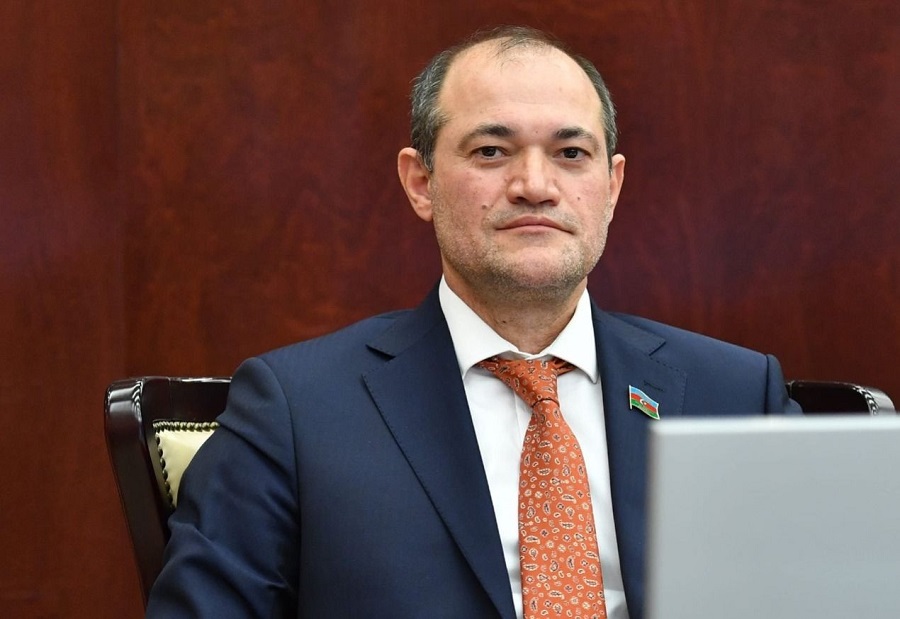
According to the deputy, the main shortcomings in healthcare today are the lack of flexible management, weak control over the implementation of decisions at the local level, and the fact that citizen satisfaction is still not ensured at the desired level:
“The compulsory medical insurance mechanism has been established, but in many cases, citizens do not fully experience their rights on paper in practice. The quality of services in the regions lags significantly behind Baku, and personnel and infrastructure problems persist in some medical institutions. Some complaints are also related to transparency: it is not entirely clear to citizens where and how to apply, which services are free, and which are paid.”
R. Nurullayev noted that in practice, coordination gaps are sometimes felt in the division of powers between TƏBİB, the Ministry of Health, and other relevant institutions:
“This creates the effect of 'lost' responsibility: when a citizen faces a problem, they cannot find the specific responsible institution. On the other hand, decisions being made at a higher level and formally implemented at a lower level also weaken real outcomes. In a sensitive area like healthcare, real service quality, not numbers and reports, should be the main indicator.”
The member of the Milli Majlis added that his proposal is for healthcare reforms to be conducted in a more open, accountable, and citizen-centric manner:
“Public control mechanisms in TƏBİB's activities should be strengthened, and complaints should be addressed promptly with measurable results. To improve service quality in the regions, the motivation and responsibility of personnel should be increased, and the work of leaders should be evaluated by real results, not by cabinet reports. At the same time, the division of powers should be regulated more precisely, and the practice of 'transferring' responsibility between institutions should be eliminated.
Overall, processes occurring in healthcare should be viewed not through the prism of personal relations, but through the prism of the state's long-term interests and citizens' rights. The main goal is not posts and names, but ensuring people's real access to quality medical services,” R. Nurullayev stated.
However, **Rashid Mahmudov**, Doctor of Philosophy in Medical Sciences, believes that often there is no clear accountability in this field.
“One institution must clearly be responsible for the healthcare sector. If there is a Ministry of Health of the Republic of Azerbaijan, the minister must bear responsibility for the entire system. If powers have been granted to the Management Union of Medical Territorial Units (TƏBİB), then the main executive and management functions should be concentrated there. If, however, there is a Ministry of Health, why does TƏBİB exist? Or vice versa. When there are two parallel structures, the division of responsibility is unclear, and gaps emerge in the system.”
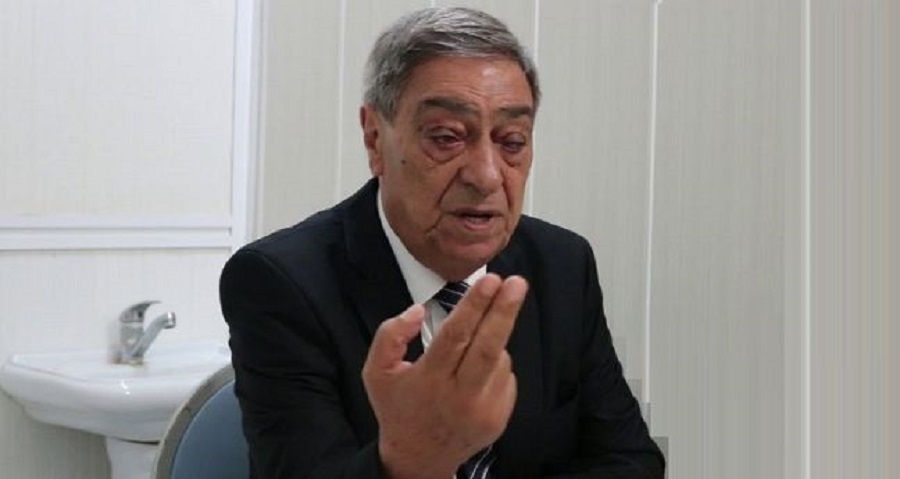
According to him, the main problem stems precisely from the fragmentation of powers and responsibilities:
“Which institution is responsible for what, who makes decisions, who controls implementation – these must be precisely defined. The system should be built on a unified management model, and functional duplication between parallel structures should be eliminated.
If the Ministry of Health operates, then all strategic and executive responsibility must be concentrated in one center. Otherwise, structural reform must be carried out, and the management mechanism simplified. A system divided into two, with overlapping powers, cannot function effectively. A unified, transparent, and accountable management model must be formed,” R. Mahmudov stated.
However, Doctor of Medical Sciences, Professor **Adil Geybulla**, noted that it is not correct to dramatize Vugar Gurbanov's dismissal from his post:
“Firstly, the main goal is for the reforms and changes implemented to yield positive results. Both citizens and society as a whole should benefit from this.
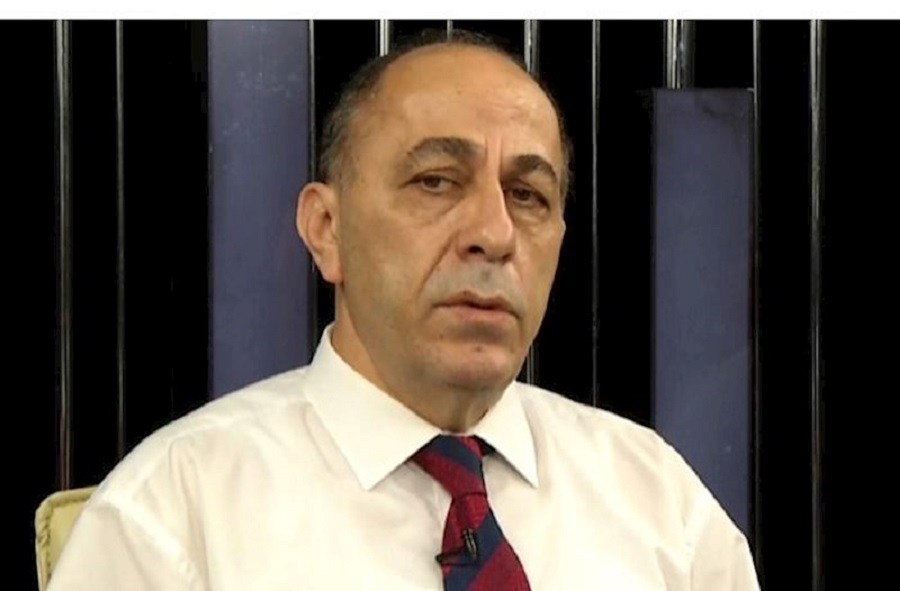
As for Vugar Gurbanov, he served in that position for nearly ten years. During this period, he was open to journalists and did not shy away from the public as much as possible. Naturally, certain shortcomings may exist, which is possible in the activity of any leader. Moreover, we are talking about a newly formed system. In such cases, both the limited financial resources and the incomplete establishment of the structure create certain difficulties.”
According to the professor, the main issue currently is not someone's appointment, but how the system will be structured:
“I have no specific information about who will come or what reforms will be carried out. However, I believe that the problem cannot be solved merely by changing individuals. The main issue here is the improvement of the structure and management mechanism. The healthcare system must be transformed into a unified, clear, and effectively functioning model. Changing individuals and leadership does not yet solve everything. What is essential is a systematic approach, a properly established structure, and continuous institutional reforms,” A. Geybulla emphasized.