
In the higher education system, the issue of centralizing certain specializations in separate specialized institutes instead of teaching them in parallel across numerous universities is gaining relevance in the context of structural reforms. This approach can be justified in terms of more efficient resource allocation, concentration of academic staff and infrastructure in a specialized environment, enhancement of teaching and research quality, as well as ensuring the training of personnel in line with labor market demands.
Modern.az reports that, on the other hand, removing specializations from university structures could affect their multidisciplinary environment and academic diversity. From this perspective, the issue should be regarded not merely as an administrative change, but also as a conceptual choice for the higher education model.
Therefore, the question remains: could the teaching of certain specializations in separate specialized institutes, rather than in higher education institutions, be more expedient for enhancing the quality and resource efficiency of higher education?
According to Fariz İsmayılzadə, Deputy Chairman of the Science and Education Committee of the Milli Majlis and a Member of Parliament, who commented on the topic, various approaches and international practices exist:
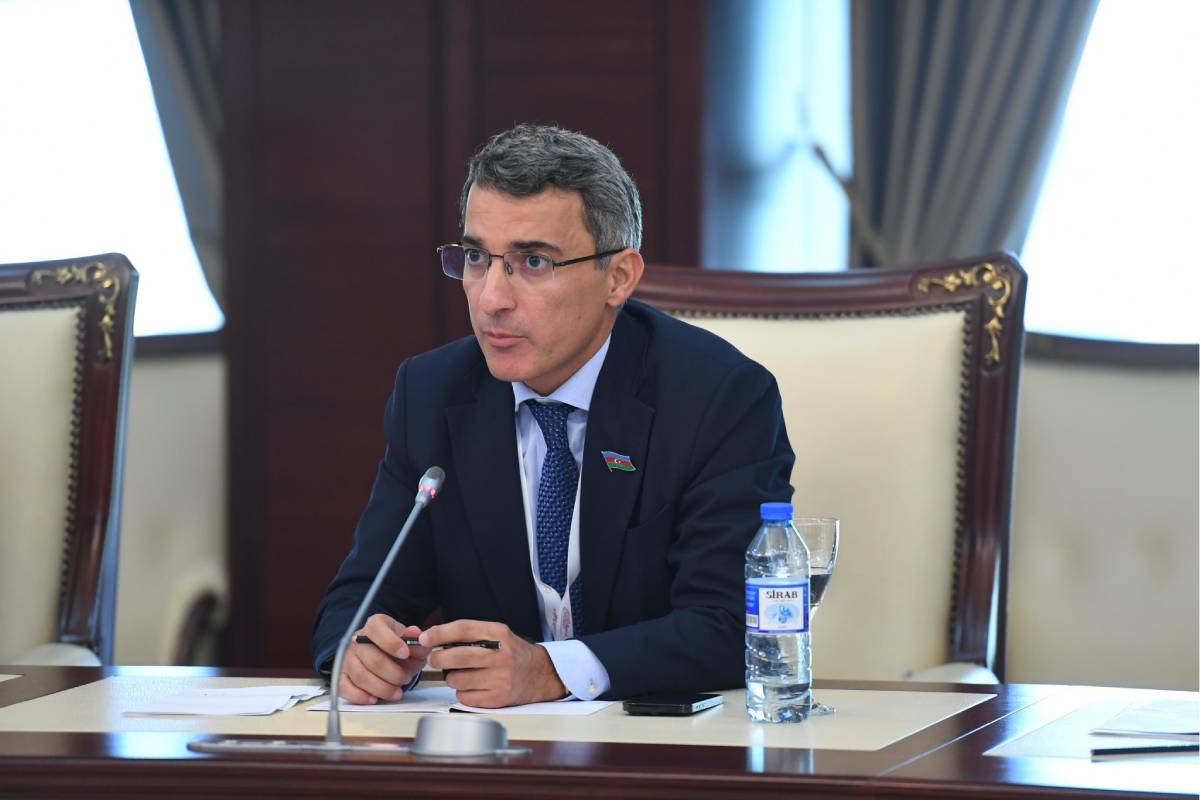
"However, it should be noted that in the modern era, multidisciplinary specializations are becoming increasingly relevant. Science, innovation, and progress develop more rapidly precisely when various fields and disciplines come together to work towards a common goal; as a result, either an innovative product or highly qualified personnel are formed.
The popularization of dual degree and dual specialization programs in recent years is also an indicator of this. As for Azerbaijan, I advocate for granting greater autonomy to universities instead of the proposed structural reforms. Higher education institutions should define more modern specializations in accordance with labor market demands and be able to operate more flexibly. As the market changes rapidly, specializations must also be updated, and universities should develop flexibly and dynamically in response to the challenges of the modern era".
Vasif Qafarov, a Member of Parliament and a member of the Science and Education Committee of the Milli Majlis, noted that centralizing certain specializations in separate specialized institutes instead of teaching them in parallel across numerous universities could be considered expedient for more efficient resource allocation in higher education:

"Because in this case, laboratories, equipment, finances, and academic staff for the same specialization are not fragmented across different locations; instead, they are concentrated in a stronger and more focused academic environment. Such an approach can facilitate the enhancement of teaching and research quality, the formation of strong scientific schools, and the increase of international cooperation opportunities, particularly in fields requiring expensive infrastructure and narrow specialization. At the same time, the specialized institute model can offer advantages in terms of being closer to labor market demands, establishing closer cooperation with the sector, and strengthening the development of practical skills.
However, removing specializations from university structures could negatively impact their multidisciplinary environment and academic diversity, which are among their main advantages. In the modern world, many fields require an interdisciplinary approach, and a student's development at the intersection of various disciplines, rather than solely within a narrow specialization, is considered a greater advantage. On the other hand, centralization could also weaken regional accessibility, as concentrating some specializations in only a few institutes might make it difficult for students from regions to access that education, potentially creating problems in terms of social equality and the distribution of educational opportunities.
Consequently, teaching certain specializations in separate specialized institutes rather than in universities can be an effective means to enhance the quality and resource efficiency of higher education. However, this approach should not be applied as a universal model to all fields; rather, it should be considered a conceptual decision to be chosen in accordance with the nature of the fields. The most optimal approach is to strike a balance between centralizing narrow fields that require high technology and expensive resources, and retaining broad fields that demand multidisciplinary development within universities". (Azedu)




