Yesterday, the founding document of the “Peace Council”, established at the initiative of US President Donald Trump, was signed in Davos, Switzerland. Representatives from 21 countries, in addition to the US, participated in the ceremony. Donald Trump stated at the event that this council has the full potential to be one of the most important organizations ever created.
“And I believe that the Peace Council's unification with the people gathered here, with the United Nations, can truly become something unique for the world – not just for the US, but for the entire world," he said.
The list of countries participating in the ceremony is as follows:
USA, Saudi Arabia, Qatar, UAE, Argentina, Paraguay, Hungary, Armenia, Azerbaijan, Bahrain, Bulgaria, Hungary, Indonesia, Jordan, Kazakhstan, Kosovo, Morocco, Mongolia, Pakistan, Paraguay, Turkey, and Uzbekistan.
It is interesting to know what obligations Azerbaijan has undertaken by becoming a member of the Peace Council.
In a statement to Modern.az, political analyst Farhad Mammadov said that the Peace Council is an ordinary international organization:
"We even see that there is no section regarding members' obligations in the Council's charter. Regarding financial obligations, there is no specific requirement in this direction for the first three years. It is believed that within the framework of the Peace Council, states will themselves approve their action plans for issues awaiting resolution and will determine how they will participate in this direction.
In other words, there are no serious obligations. This is President Trump's initiative and covers his presidential term. Although approximately 50 states received invitations, representatives from more than twenty states participated in the founding event. The President of Azerbaijan and leaders of several countries close to Azerbaijan also participated there. In general, the functionality and success of this organization will depend on the US President. The US President also identifies leaders in the world who are close to him."
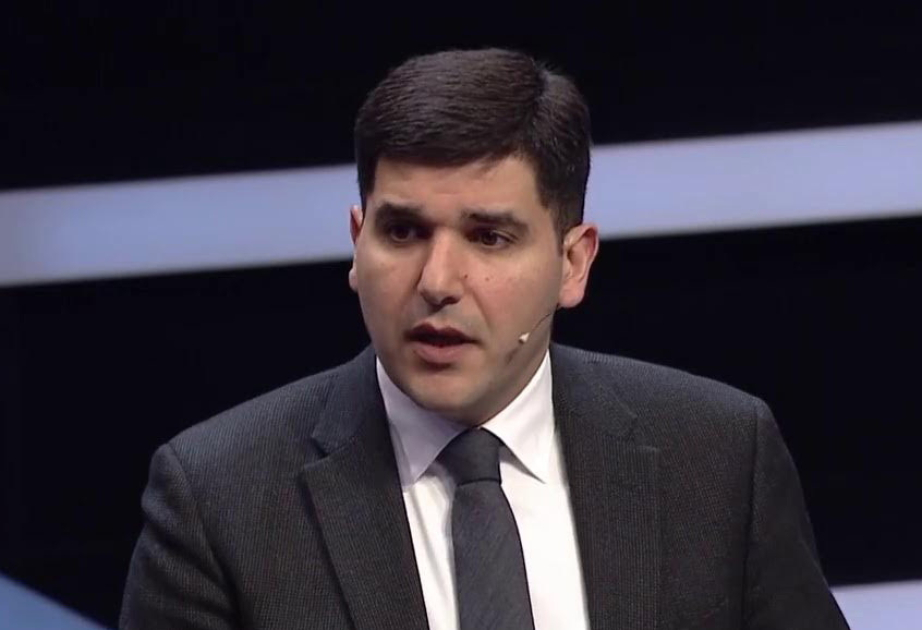
The political analyst emphasized that only the next three years will show how the Peace Council, an initiative of the world's most powerful state, will develop:
"If this initiative, this organization, succeeds, it means that the Peace Council will become a part of the new world order. However, if it does not succeed, then the international system will continue to operate within the framework of the UN, which has very low effectiveness."