Millions of Azerbaijanis scattered across various countries of the world today not only establish their place in the societies they live in but also carry the name of Azerbaijan to new levels. Their activities in science, culture, business, creativity, and social initiatives, on the one hand, create individual success stories, and on the other hand, contribute to the recognition of our country in the global arena.
Our compatriots living abroad, while adapting to their host countries, manage to preserve their national identity, keeping our language, cultural customs, and spiritual values alive.
Bringing the stories of such individuals to the public strengthens the community's connection with the diaspora, enhances national pride, and adds vibrant, convincing content to Azerbaijan's international image.
The "Voice of the Diaspora" project of the **Modern.az** website carries precisely this mission: to illuminate the path to success of people who make Azerbaijan's mark visible in the world and to spread their voice in the homeland.
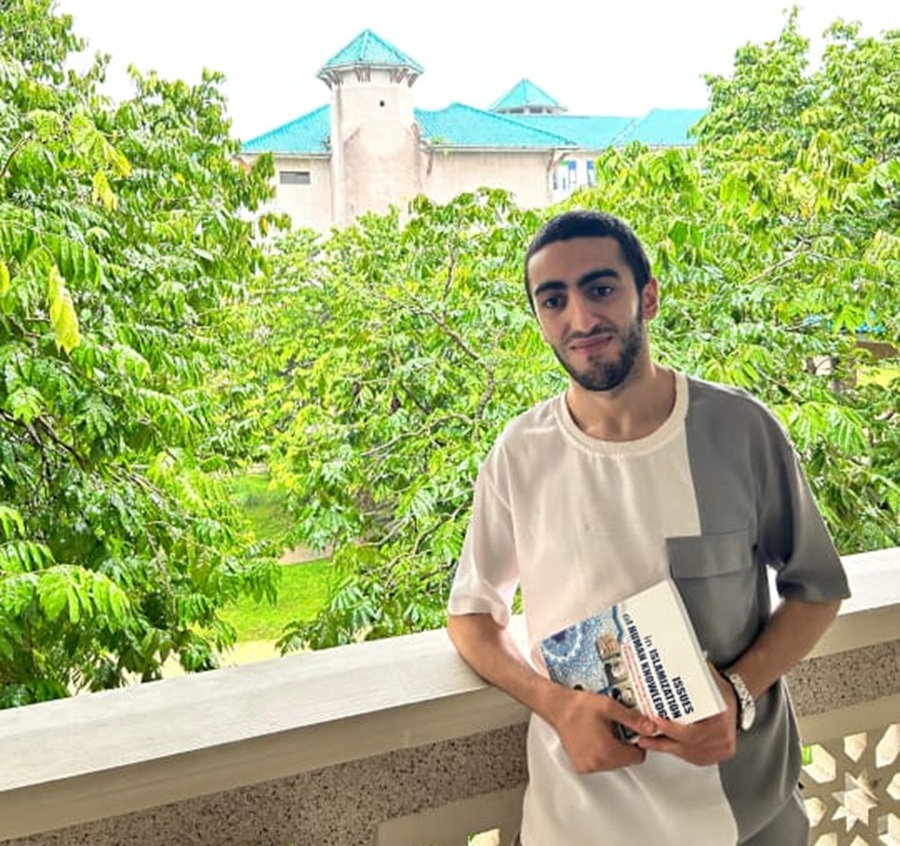
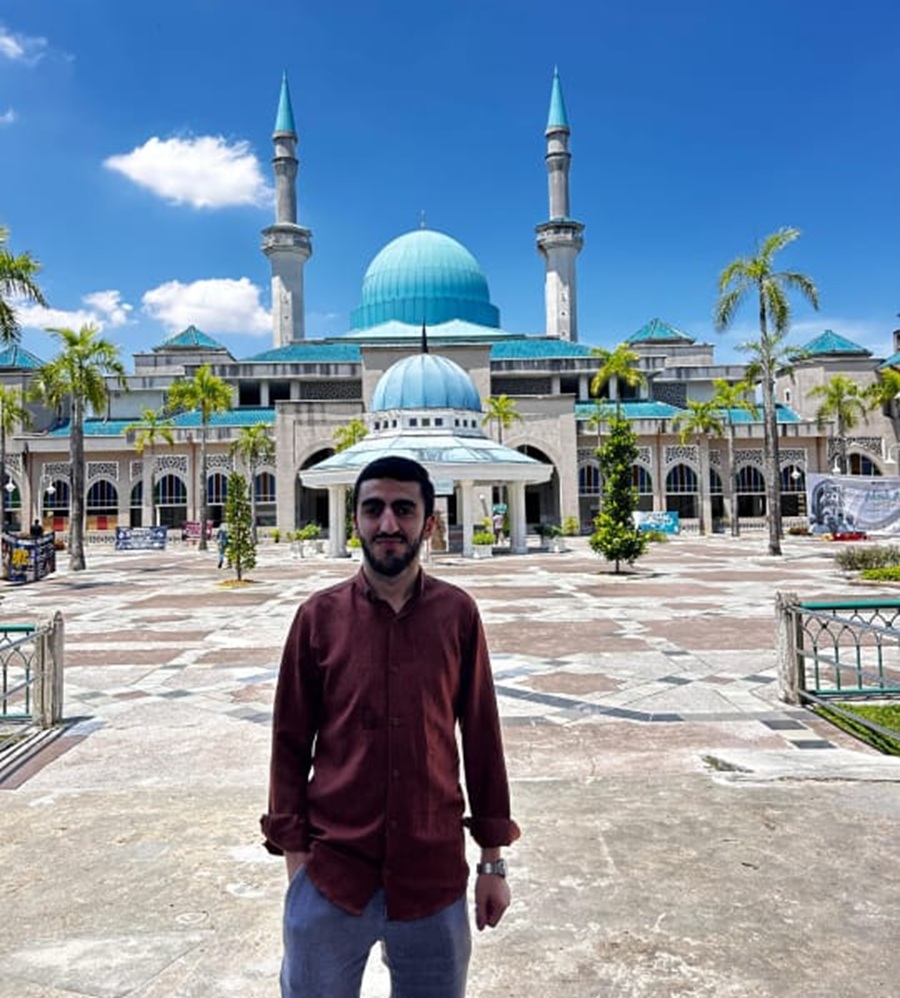
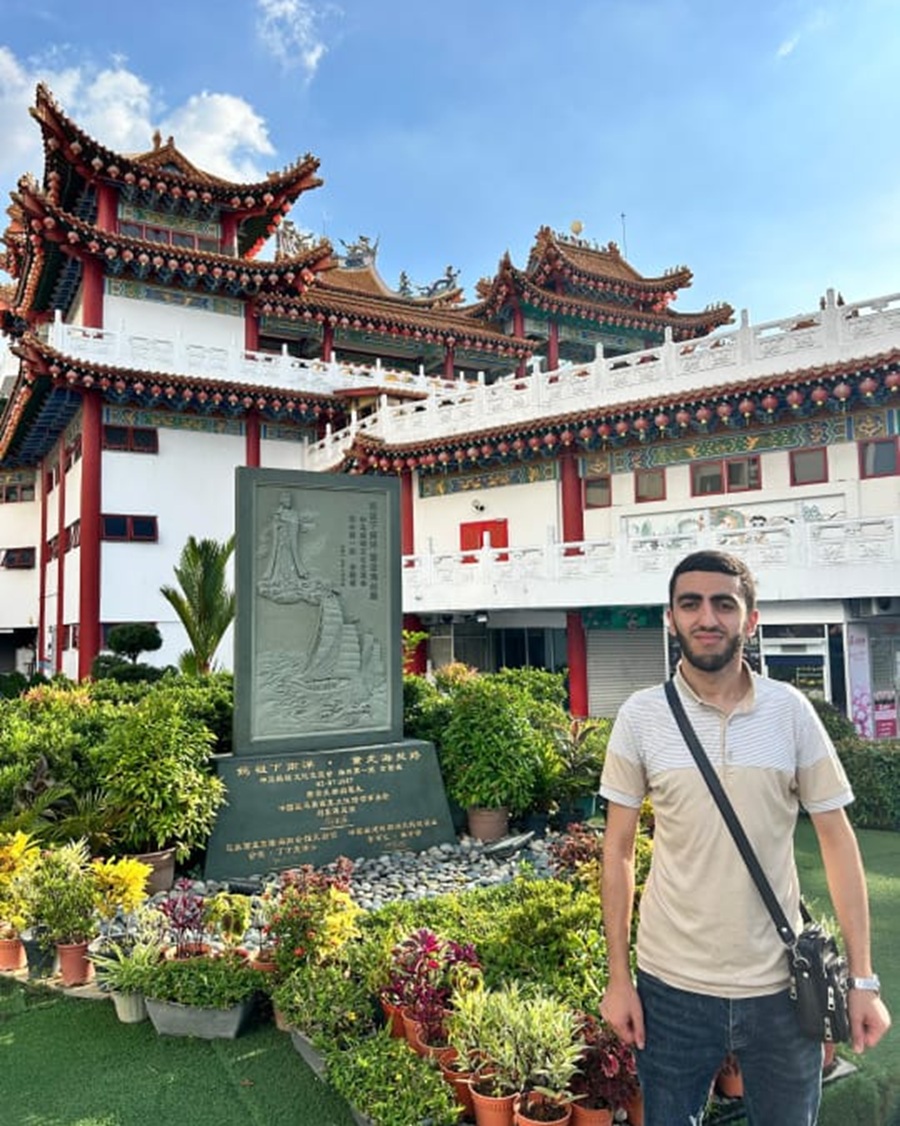
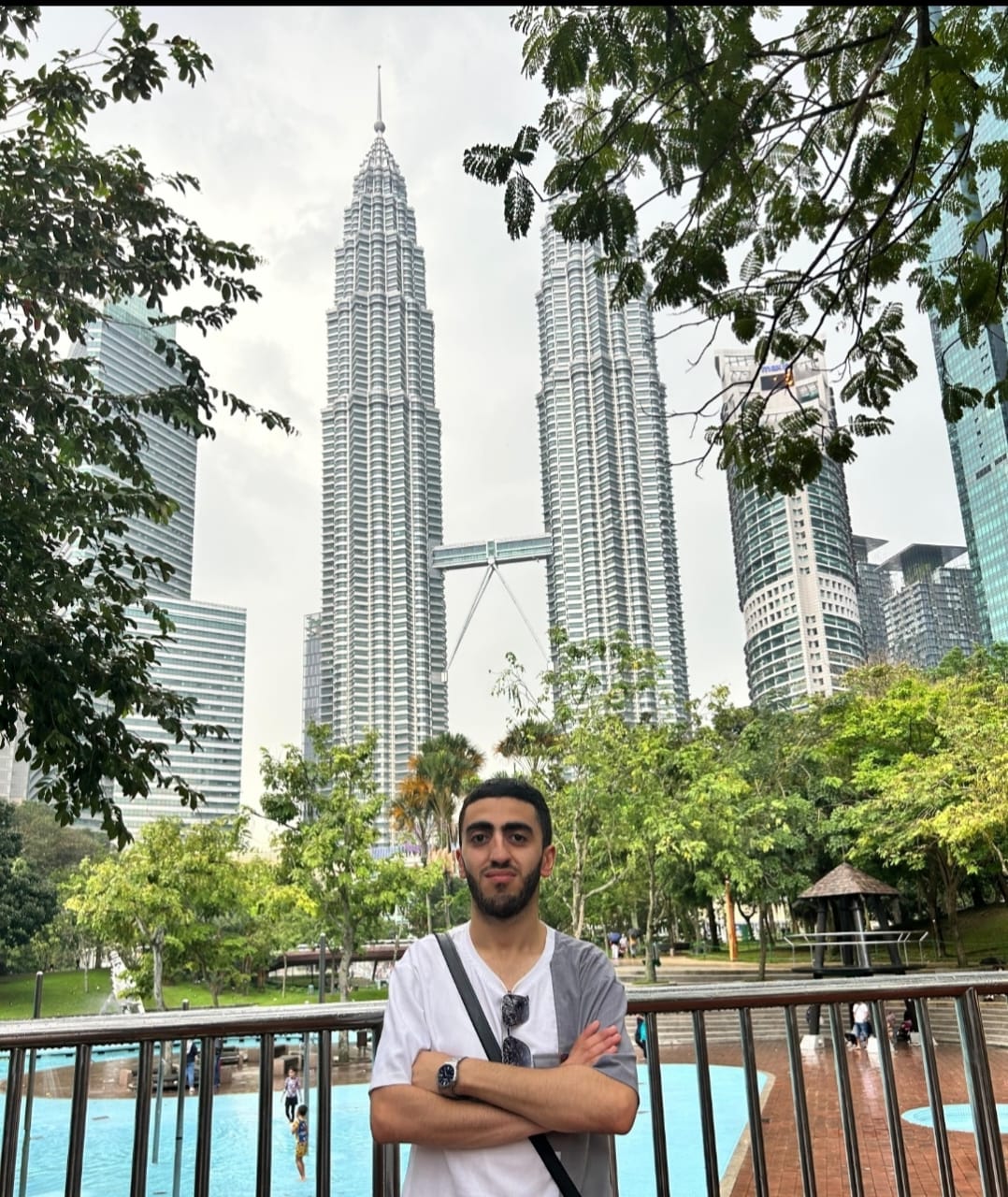
This time, our project will be about **Aqşin Məmmədov**, who is pursuing a master's degree at the International Islamic University of Malaysia and resides in that country.
- Mr. Aqşin, why did you choose to pursue a master's degree specifically in Malaysia, and what did this decision bring you?
- To be honest, I thoroughly considered the decision to pursue a master's degree in Malaysia not only from an academic perspective but also from the standpoint of personal development. My main goal was to gain scientific experience in the field of history and civilization within a different Islamic society. Malaysia is both a Muslim country and a multinational society, which served as a laboratory for me where cultures intersected. The education I received here provided me not only with theoretical knowledge but also with a broad perspective. My greatest gain was studying in the same environment with people from various cultures, getting to know them closely, and understanding my own national identity more deeply.
- Looking at Malaysia and Azerbaijan, what are the most surprising differences you observe in daily life, people's behavior, and customs?
- One of the most striking differences I noticed is people's public behavior. In Malaysia, people are quite calm, reserved, and rule-abiding. In Azerbaijan, however, people are more emotional and open; communication feels more sincere and somewhat familiar. In Malaysia, for example, speaking loudly or arguing in public places is very rare. But a common trait of both nations is that the concepts of hospitality and respect are very strong.
- In terms of national cuisine, what similarities and differences do you see between the two countries? Which Azerbaijani dish do you miss the most there?
- Malaysian cuisine is very spicy and colorful, but compared to our cuisine, rice and seafood are more prevalent. Dishes like our plov, dolma, and piti are not found there. The dish I miss the most is yarpaq dolması, which I consider irreplaceable. Every time I taste local dishes, I look for that familiar flavor, but nothing can replace the taste of Azerbaijani dishes.
- What is it that attracts and interests you most in Malaysia – its culture, nature, people's attitudes, or the education system?
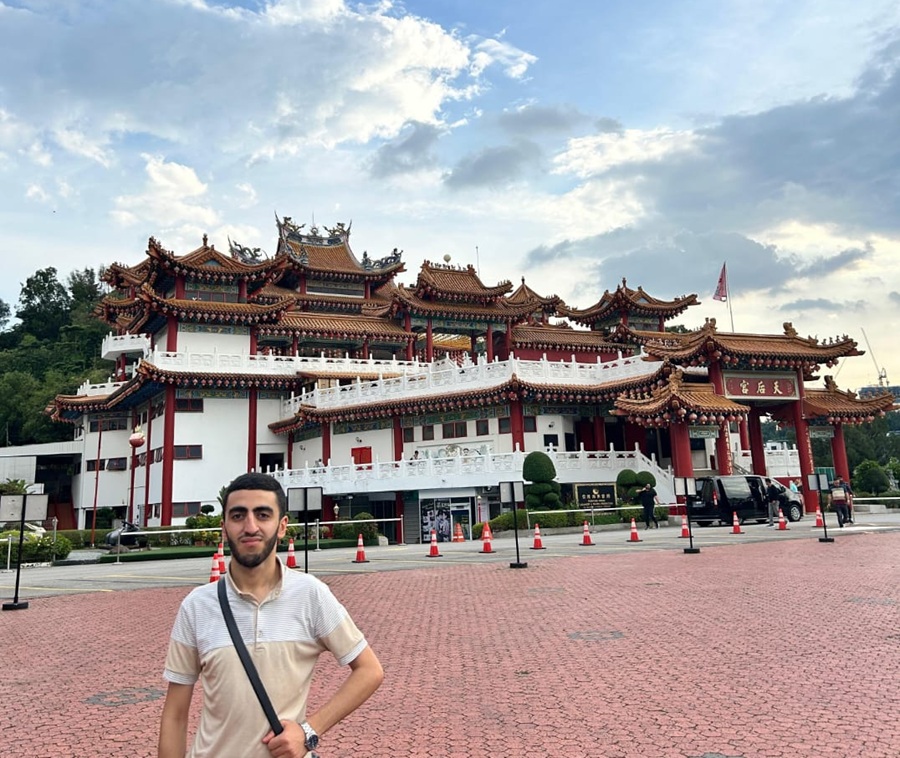
- For me, the most attractive aspects are the country's nature and the people's culture of behavior. Here, nature is like a living painting; everywhere is green, rainy, and clean. The people are very polite and helpful. But as a historian, what attracts me most is Malaysia's multicultural structure. The harmonious coexistence of Malay, Chinese, and Indian cultures truly fascinates me. On the other hand, there are historical similarities between us and the Malays. Just as Azerbaijan became independent after separating from the Soviet Union and national traditions began to come to the forefront, similarly, the Malay people were previously governed by the British colonial system. Although distance separates us, the colonial system hindered us in the emergence of theories of language, religion, and nation.
- In your opinion, when comparing Azerbaijan and Malaysia in terms of living conditions and opportunities, which country seems more favorable and why?
- Both countries have their advantages. Living conditions in Malaysia are very systematic, especially in terms of education and public services. But for me, "favorability" doesn't just mean comfort; it also means spiritual connection. In Azerbaijan, the feeling of familiarity, family, and national values is stronger. Therefore, no matter how wide certain opportunities may be in Malaysia, Azerbaijan will always remain a more native and spiritually favorable country for me.
- How do your family and relatives view your living in another country? What was their biggest concern regarding this decision?
- My family approached my decision with both pride and a degree of concern. They have always attached great importance to education, but at the same time, my being far away worried them. Over time, they saw that this education was not just a diploma for me, but also a life experience. Now they support me more comfortably, and this gives me additional motivation.
- What do you miss most about Azerbaijan? And what is the main reason that motivates you in daily life in Malaysia?
- I miss the feeling of being with my family and the familiar environment the most. Also, the air of Azerbaijan, its streets, and conversations with friends have a unique quality that you cannot find anywhere else. In Malaysia, the main factor motivating me is my goal, that is, my education and future plans. Here, I learn something new every day, and this gives me a sense of development.
- We would like to inquire about your future plans: do you intend to return to Azerbaijan after completing your education, or do you plan to build an international career?
- My plan is to return to Azerbaijan after completing my education and continue my scientific activities there. Living abroad has given me a lot of experience, but researching and teaching the history of my own country in my native environment is more valuable to me. My long-term goal is to complete my doctoral studies and work in the academic field. In other words, to be more explicit, the development of Azerbaijani youth and the scientific environment is more valuable to me than my personal interests. I believe that the modern world strives to accustom people to more comfortable conditions. But on the other hand, values, personal development, and history are being erased from memory. Therefore, for me, one of the goals is for Azerbaijani youth to hold a dominant position in the field of science and to frequently see the names of our scientists in articles, books, and various research works.
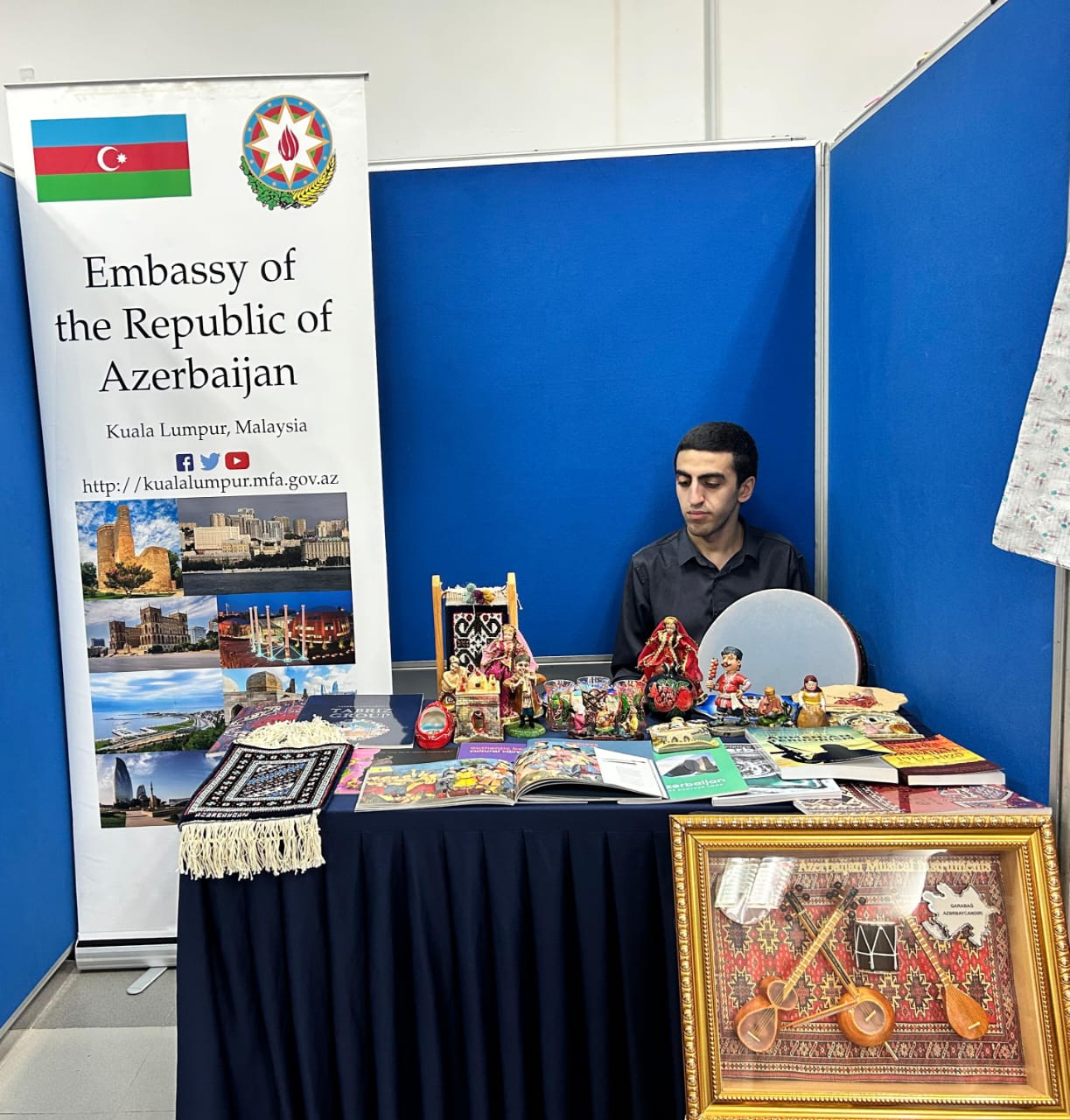
- It's interesting that you are studying theology. Why did you choose this particular specialization, and how is the teaching process organized in this field in Malaysia?
- Actually, as a child, I didn't want to be a theologian; I wanted to be a historian. History has always interested me, but religion is also a very important field for understanding human life, culture, and history. Therefore, I thought that studying theology would provide a deeper perspective on history. For this reason, I pursued a bachelor's degree in Religious Studies at the Azerbaijan Institute of Theology. In 2024, I completed my bachelor's education, and for my master's degree, I chose the International Islamic University of Malaysia, which I would say is the most ideal university for my specialization. In Malaysia, this field is taught in a very systematic and academic manner. Here, students are taught not only religious knowledge but also approaches such as critical thinking and comparative religious studies. This was a very beneficial experience for me.
- What differences do you observe between the religious knowledge and approach you gained here and religious education in Azerbaijan?
- The main difference lies in the methodology. In Azerbaijan, religious education is based on a more traditional approach, whereas in Malaysia, the academic and analytical orientation is stronger. Here, religious sciences are viewed alongside social sciences, meaning they are linked to history, philosophy, and anthropology. This approach greatly broadened my worldview. I can now look at religious topics not only from the perspective of faith but also from a scientific standpoint. For example, in the academic field in Azerbaijan, during the defense process of written works, the main emphasis is on the depth of facts and information. Here, however, the methods used in the research work play a primary role in the defense process. I should also note that the main advantage for me and other Azerbaijani students studying here is our better knowledge and explanation of information and facts. This, of course, is one of the key qualities gained from our educational method.
- How do you evaluate the activities of the State Committee on Work with Diaspora concerning Azerbaijani youth abroad?
- In my opinion, the Committee carries out very useful and effective work with youth living abroad. Their goal is not only to bring us together but also to support the preservation of our national identity. The organized programs, meetings, and projects create conditions for young people to connect with each other and to properly represent Azerbaijan abroad. Last year, a visit by Committee representatives to Malaysia also took place. They also organized a very good concert program for us, featuring renowned Azerbaijani khanandas. I highly appreciate these activities.
- What were your impressions of participating in the Committee's VI Summer Camp? What did this program bring you?
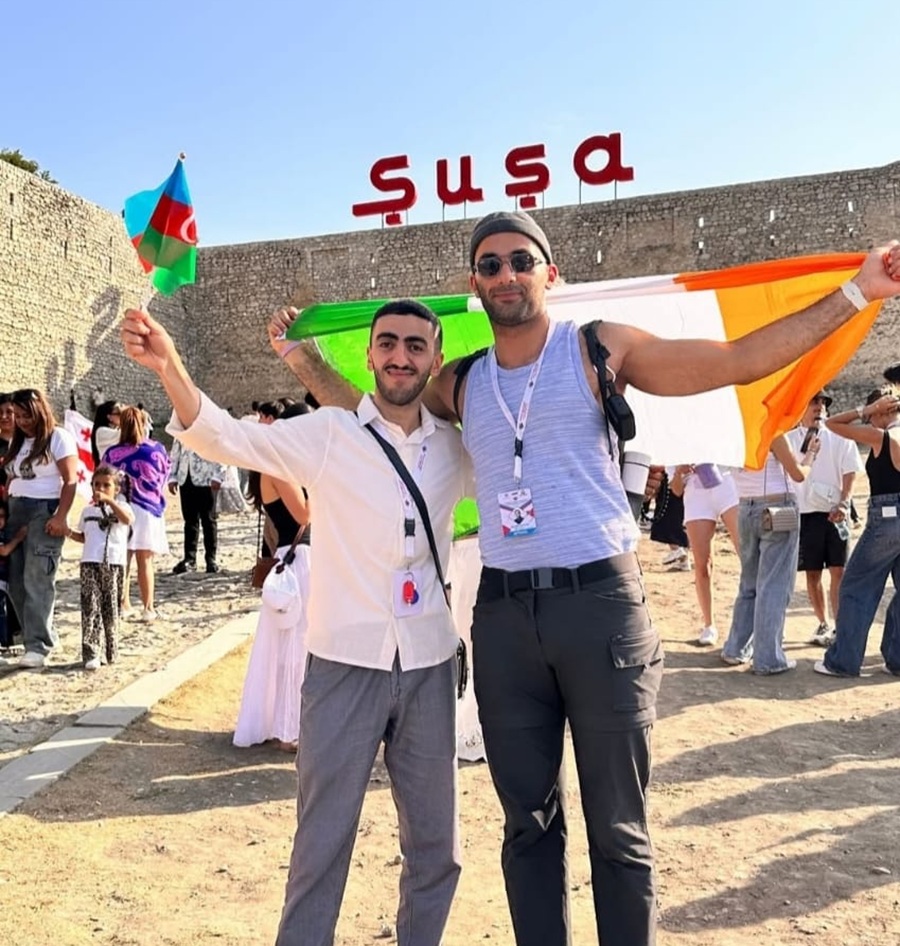
- The summer camp was a very valuable experience for me. I met Azerbaijani youth studying in different countries, and we shared our thoughts. The nuance I liked most about the camp was the involvement of students not only from Azerbaijan but also from various other nations. There were not only entertaining moments but also discussions that strengthened national consciousness. I felt that no matter where we live, we all come from the same roots. This camp gave me both motivation and high spirits. Visiting our historical lands in Azerbaijan, which I wanted to see but couldn't visit when I was in Azerbaijan, gave me moments filled with great pride and honor. Furthermore, in the city of Khankendi, I had the opportunity to meet many great Azerbaijani figures in science, music, sports, and art. Meeting Professor Solmaz Rustamova, one of Azerbaijan's esteemed scholars, brought me great joy.
- What emotions did you experience during your first visit to the liberated Karabakh? What are the most impactful moments you remember from that visit?
- I can never forget that visit. When I went to Karabakh, it was as if I was in living contact with history. Every mountain, every stone bore the traces of that era. Seeing the Azerbaijani flag there, commemorating the martyrs, evokes both pride and sorrow in one's heart. On the lands we walked, history and thousands of heroes lay. Perhaps no one would criticize me if I claimed that I lived the best youth in history because I witnessed these proud historical days. We already have a university in Karabakh. I can note that it is an educational institution equipped with very high conditions and integrating a modern system. But most importantly, I saw that the restoration process of Karabakh is of very high quality. In the city of Khankendi, we had conferences on various topics consisting of panels. The speeches on social, scientific, and philosophical topics reminded me that Azerbaijan is by no means lagging behind the countries of the world; on the contrary, it is even ahead. My favorite panel was the presentation by world-renowned photographer Reza Degati and a video-format photo exhibition consisting of photos he took during the I and II Karabakh wars. Honestly, I couldn't hold back my tears. Another moment that deeply moved me was watching the "Qarabağ" football match together in front of the screen at the Khankendi Congress Center. All of these are symbols of unity, dignity, and an unwavering stance. For all this, I express my deep gratitude to the leadership and the tirelessly working, caring staff of the State Committee on Work with Diaspora.