The protests in Iran are in the spotlight of the entire world. Although different forecasts are put forward regarding the outcome of the events, the initial causes are cited as the rising prices of food and fuel in Iran, and the sharp depreciation of the national currency, the rial, against the dollar.
Modern.az reminds that among the main reasons fueling social protests, there is another factor that remains overlooked – the water factor.
Iranian scientists have been warning since at least 2013 that the country would soon run out of water. Almost all global experts agree with this assessment. The situation is developing on three levels: global – climate change worldwide; regional – a cold war for water resources in the Middle East and West Asia; and local – the policy of the Iranian government. And at all three levels, the forecast is reliable and very dire for Iran.
Global climate change. All temperature records have been broken in the last 10 years. Global warming is one of the main causes of the unique drought that has lasted five years in Iran. And this is no longer an anomaly, but the "new normal". Iran's glaciers, located in the Alborz and Zagros mountainous regions, are rapidly shrinking. Instead of winter snow (which falls less), which slowly melts in summer and feeds the rivers, heavy rains occur. These rains cause floods but do not penetrate the soil or fill water basins. One of the reasons is the hardening of the soil, preventing water from passing through.
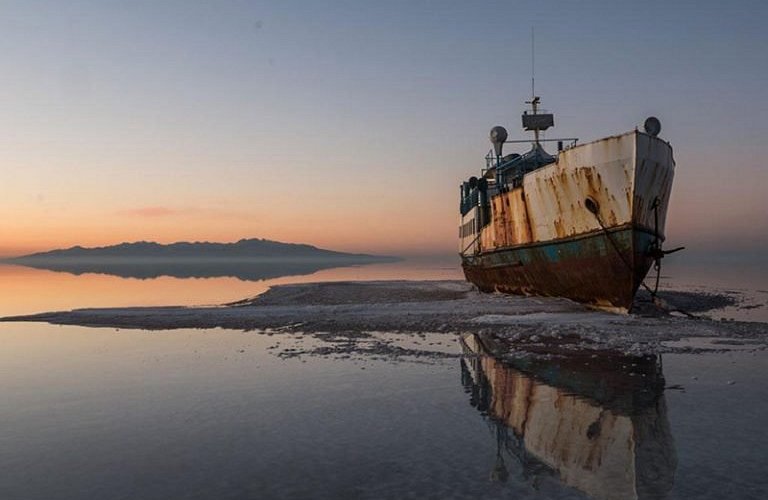
At the regional level. A real water war is underway in the Middle East and West Asia, and the main player in this war is Turkey. It created a system of reservoirs at the headwaters of the three main rivers of the Middle East – the Euphrates, Tigris, and Aras rivers – and currently controls this water flow. Turkey provides itself with water, but Iraq and Syria are facing a water crisis. The drying up of marshes in Iraq has caused dust storms in Iran. Dams in the upper reaches of the Aras River affect the water supply of Iran's western provinces.
After coming to power in Afghanistan, the Taliban began building dams and restricting the flow of the Helmand River to Iran, citing their own needs. (In the first half of 2025, Iran received approximately 10 times less water than it was supposed to receive under the agreement with Afghanistan.) Iran's relations with both Turkey and Afghanistan regarding water flow are strained. Since these rivers flowing into Iran originate in both Turkish and Afghan territories, Iran does not have the luxury of dictating terms.
At the local level. But this is not yet a collapse. Iran, albeit with great difficulty, possesses sufficient water resources to supply its population. However, Iran is in a state of war with America and Israel and is developing nuclear energy. The nuclear program led to severe sanctions. Against this backdrop, the Mullah regime decided to provide itself with food without foreign trade. And this program is destroying the country. 90 percent of water in Iran is spent on agriculture (which accounts for only 12% of GDP), mainly for irrigation. But this step is an extremely inefficient use of water. Because to prevent water loss, a drip irrigation system must be implemented, and for this, the entire irrigation system must be changed. Large water losses ultimately lead to water scarcity. Therefore, people dig wells to obtain water. The number of these wells in the country is in the millions. Since drilling operations are uncontrolled, water resources have already been depleted in many regions, and the soil is subsiding by 20-25 cm per year, underground water reservoirs are collapsing, and there is simply no place left for rainwater to collect.
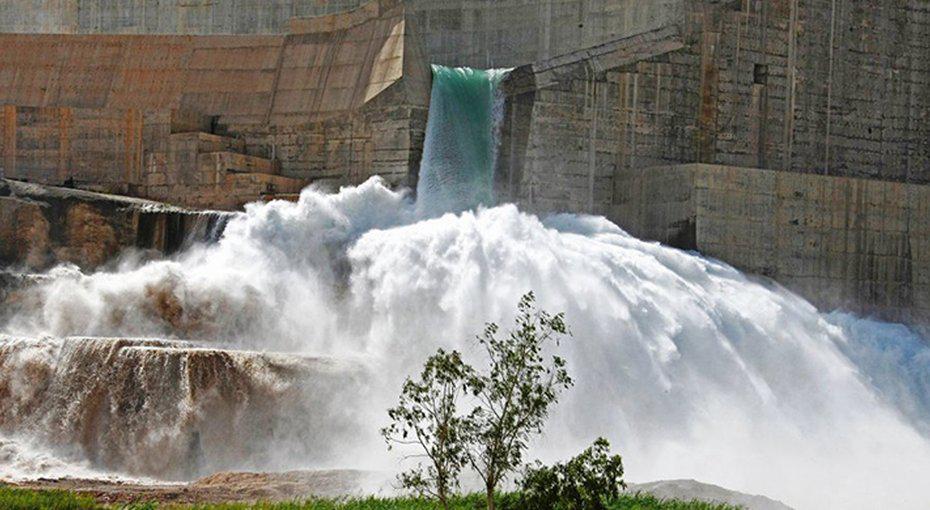
Thus, inefficient agriculture needs to be curtailed, but this is not happening. The main beneficiary of food supply (including the export of water-intensive crops like watermelon and pistachio) is the Islamic Revolutionary Guard Corps (IRGC) of Iran. This military p has no intention of relinquishing its monopoly on agriculture. Iran could abandon its nuclear program, lift sanctions, attract the world's best irrigation and water recycling specialists from Israel, and reduce agricultural production. But for this to happen, an open, rational, and negotiation-ready political system must be formed.
Thus, today the question is no longer whether the regime will collapse, but when it will collapse. This could happen in 2026. Tehran's reservoirs are currently approximately 8-10% full. And it seems they will not be refilled by spring: the main water source is snow, and this year there is almost no snow. If the regime miraculously survives in 2026, the situation will worsen further in 2027. Water levels in basins are decreasing.
Iran is no longer "facing" an ecological catastrophe; it is deep within it. The Mullah regime has no way out, no plan, from this disaster. Without overcoming the water crisis, it is impossible to maintain balance and the status quo in society. If it cannot meet a fundamental need like water, the anger of the Iranian people will take on a completely different, destructive scale compared to currency depreciation or rising food prices.