Since February 28, the US and Israel have launched military operations in Iran. Prior to this, representatives from Washington and Tehran were holding talks regarding Iran's nuclear program: the US insisted that Iran abandon the development of nuclear weapons.
Currently, following the assassination of Ayatollah Ali Khamenei, Ali Larijani, Secretary of Iran's Supreme National Security Council, has declared that Tehran has no intention of negotiating with Washington.
Modern.az presents how relations between Iran and the US evolved from cooperation to a major war.
1953 Coup d'état in Iran
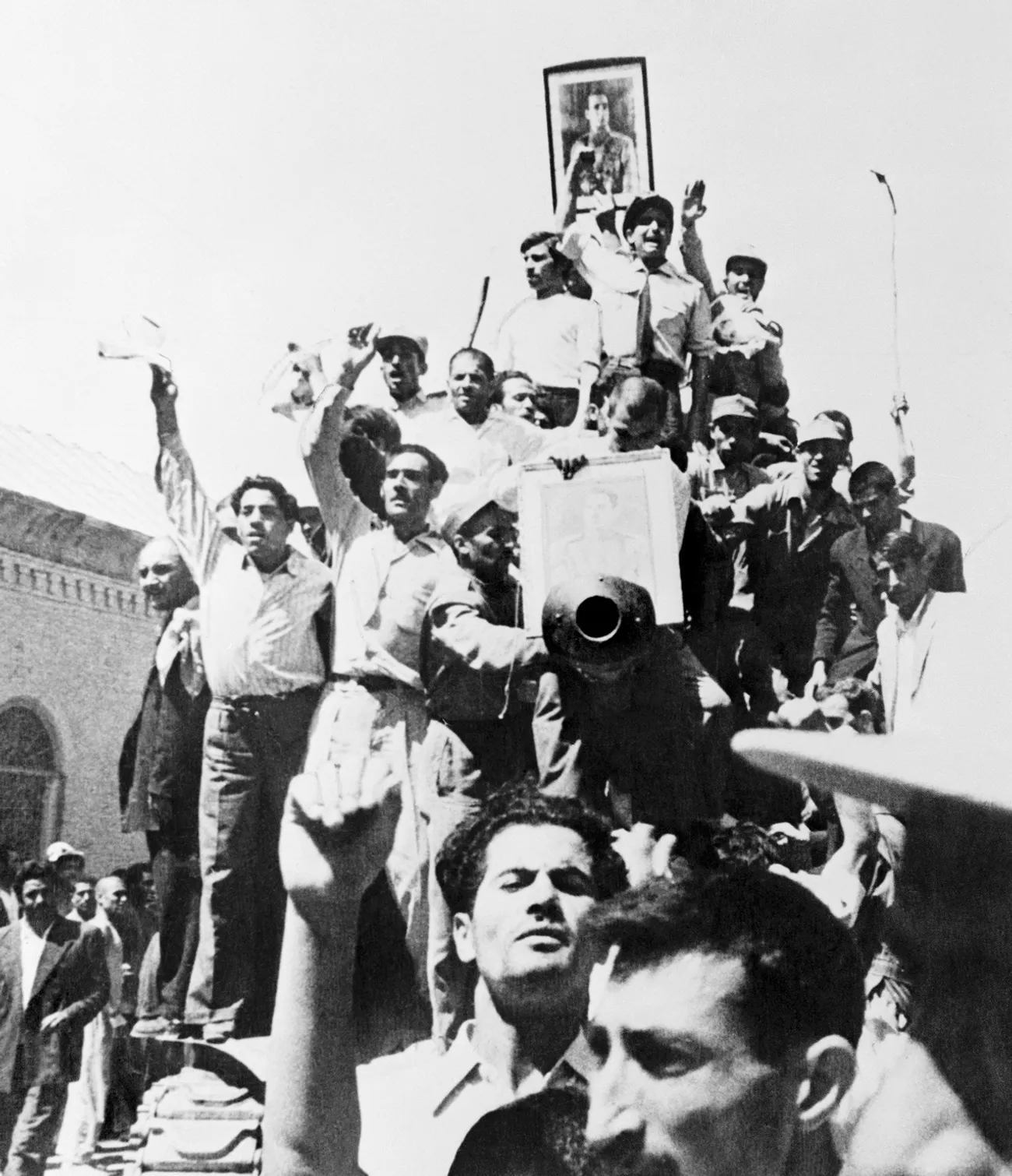
In 1953, British and US intelligence services carried out a coup d'état in Iran as part of Operation 'Ajax,' overthrowing Prime Minister Mohammad Mosaddegh. Two years prior, Mosaddegh had succeeded in nationalizing the country's oil industry.
Mohammad Reza Pahlavi, the second and last Shah of this dynasty, returned to power. He returned Iranian oil to 'British Petroleum,' a British-American consortium. This event led to a sharp rise in anti-American sentiment among the Iranian population.
In 1957, the US signed an agreement with the Shah of Iran on the development of nuclear energy. This agreement was part of US President Dwight Eisenhower's 'Atoms for Peace' initiative. Ten years later, a low-power nuclear reactor and a supply of enriched uranium to operate it began to be developed in Iran.
In 1968, the US and Iran were among the first countries to sign the Treaty on the Non-Proliferation of Nuclear Weapons at the UN. This treaty entered into force in 1970 and formed the basis of international security structures, also promoting the development of nuclear energy worldwide.
In 1972, during his visit to Tehran, President Richard Nixon promised Shah Mohammad Reza Pahlavi that the US would sell him the most modern weapon samples, in return for assistance in protecting US interests in the Middle East.
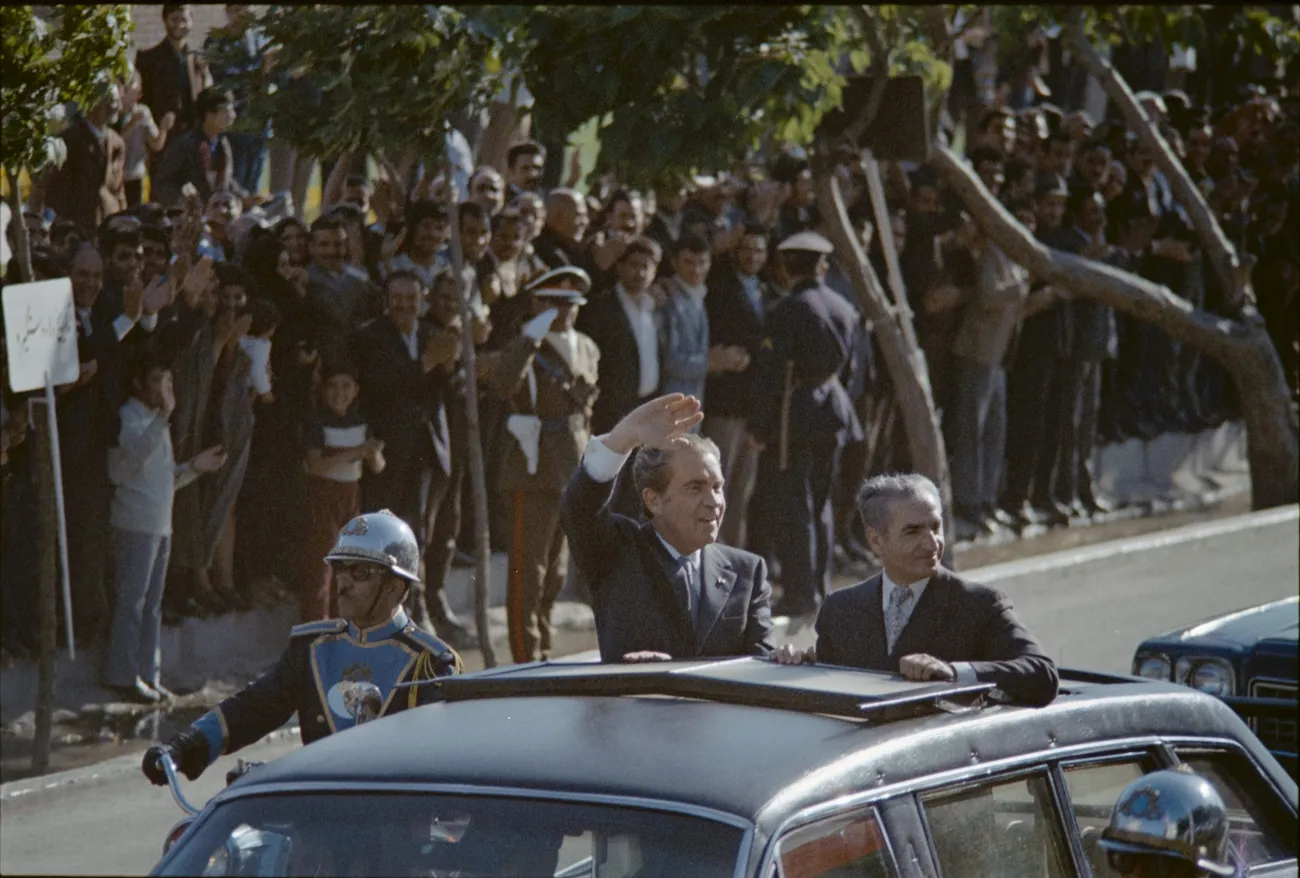
By the late 1970s, the Shah had spent over 16 billion dollars on weapons, including F-14 fighters and missile systems.
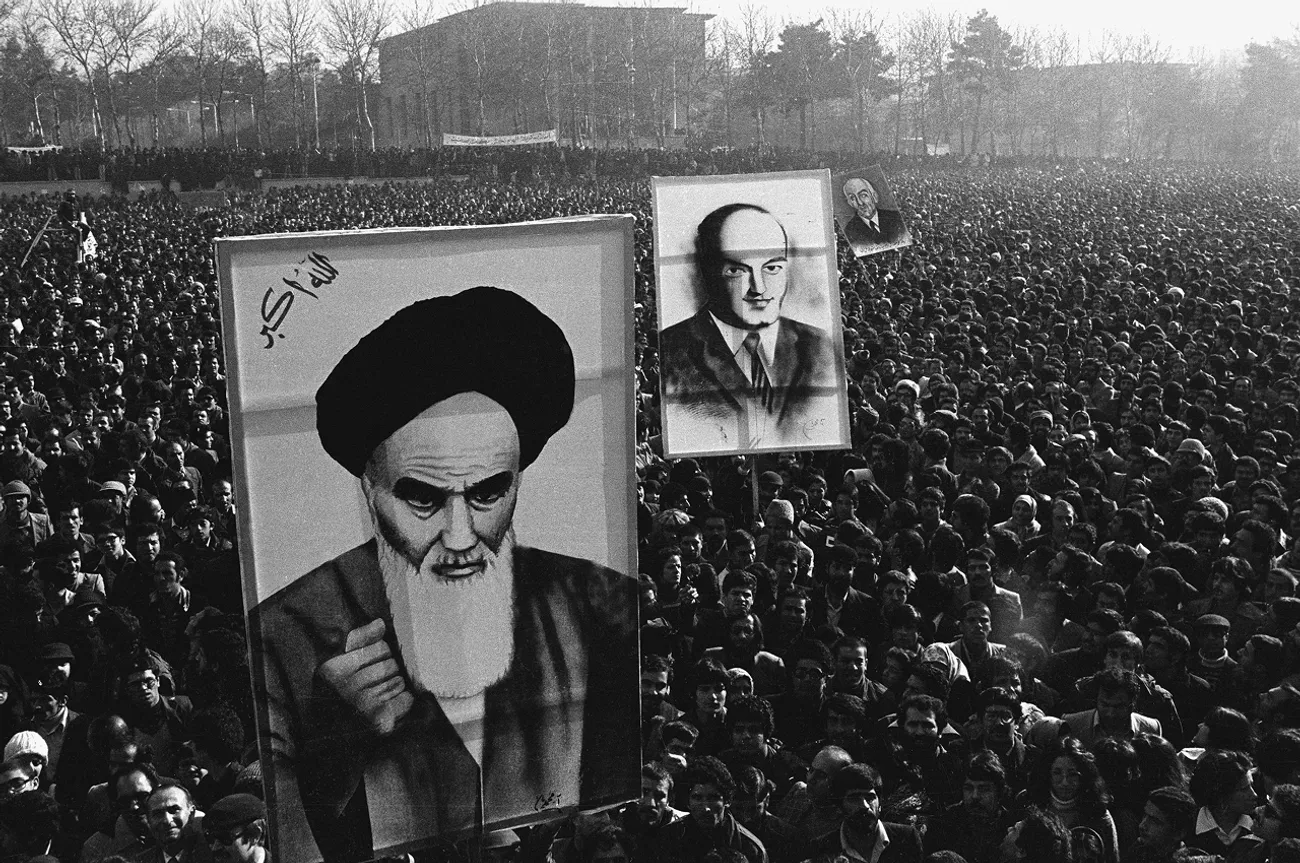
In February 1979, the Islamic Revolution took place in Iran. The Shah fled the country, and Ayatollah Ruhollah Khomeini became the leader of the country.
Thus, the progressive monarchy in Iran transformed into an anti-Western theocracy. As soon as Khomeini came to power, he put forward the slogans 'Death to America!' and 'Death to Israel!'
In November, Islamist activists seized the US embassy in Tehran, and 52 US diplomats were taken hostage. Protesters demanded that the US hand over the Shah for a fair trial.
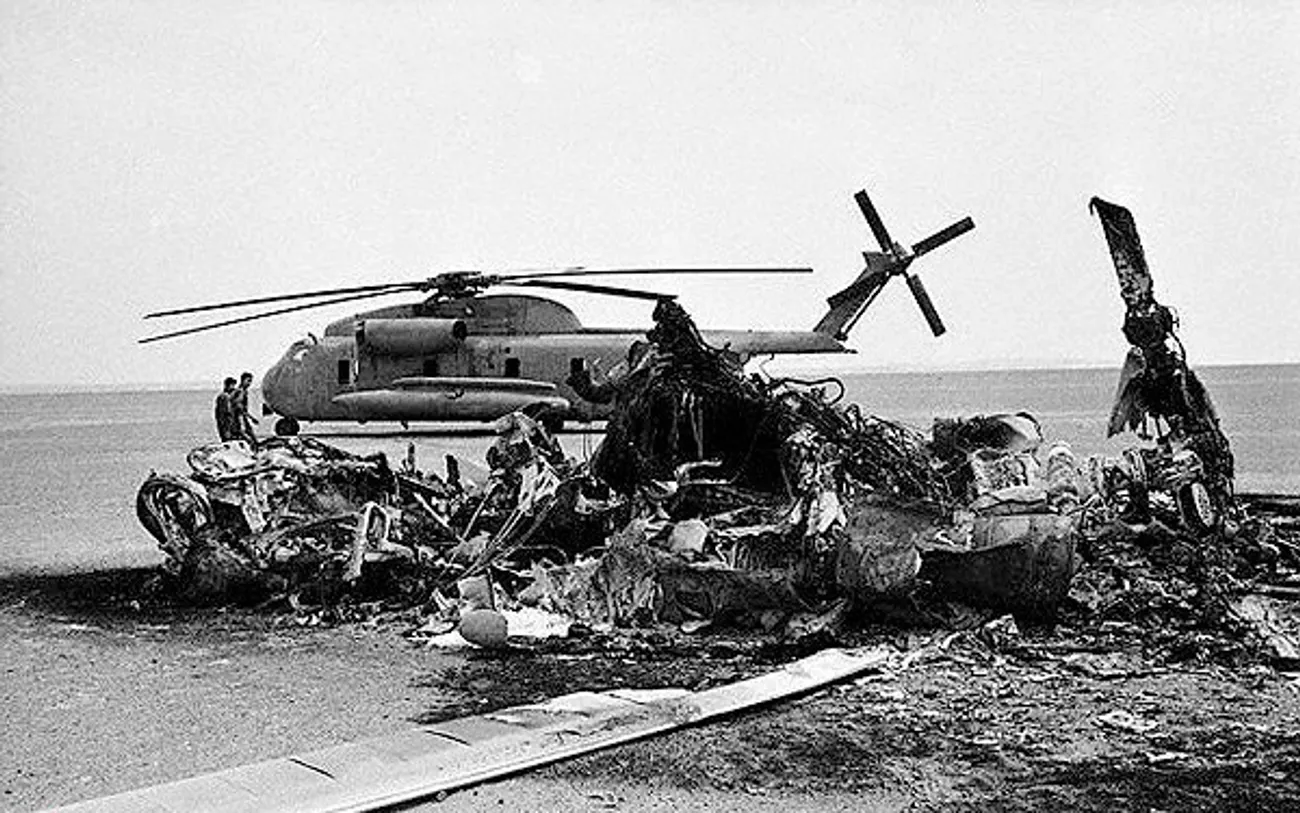
In 1980, the US attempted to carry out Operation 'Eagle Claw' to rescue the hostages in Tehran, but it failed. The operation resulted in failure due to technical, weather, and intelligence problems.
Following this incident, the US imposed trade sanctions against Iran and severed its diplomatic relations.
In the same year, the 8-year Iran-Iraq War began.
In January 1981, within the framework of the Algiers Accords, the US released the hostages, in return for which Iran's financial assets frozen in US banks were unfrozen.
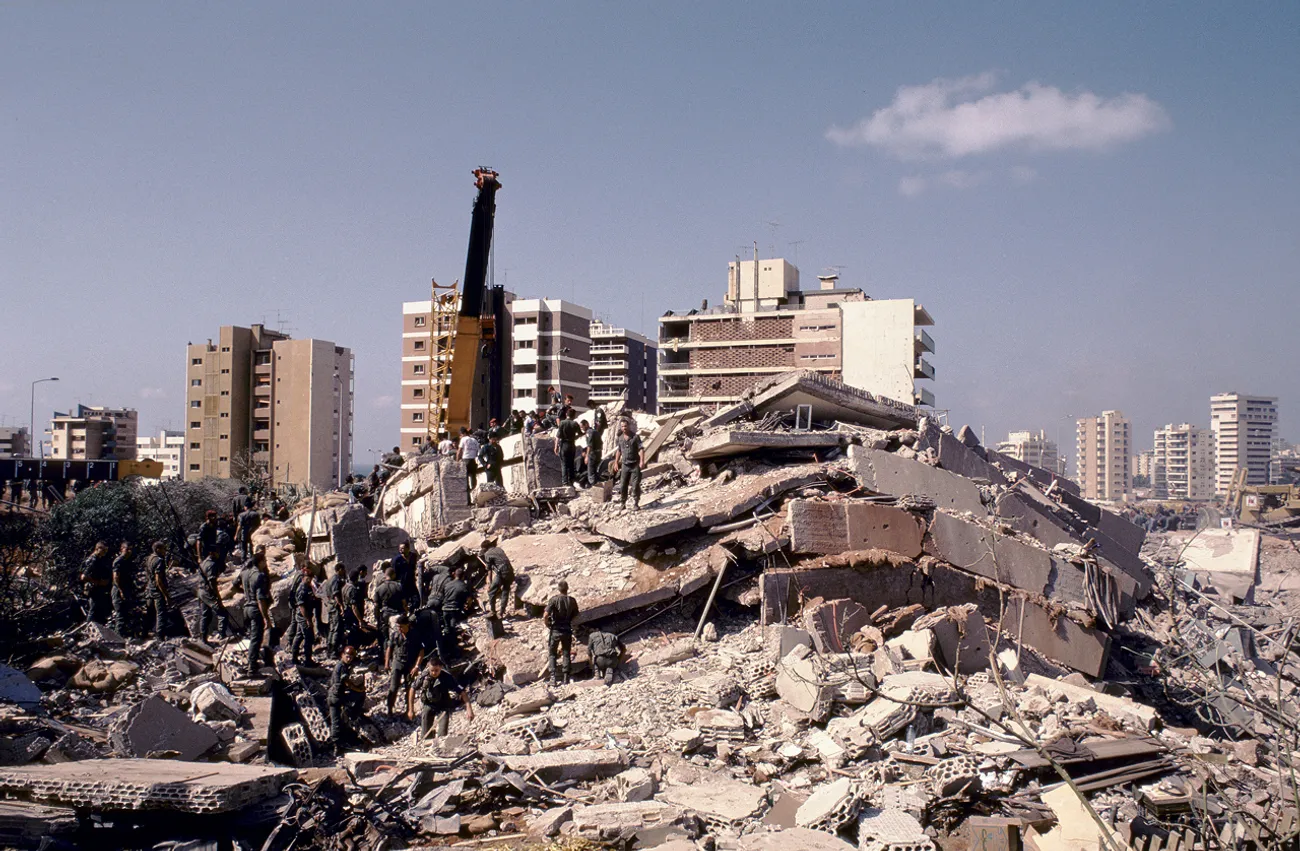
In 1984, the US included Iran in the list of state sponsors of terrorism and banned arms sales. This decision was made after terrorist attacks against US and French peacekeeping convoys in Beirut in 1983.
In 1986, the Reagan administration secretly continued to sell arms to Tehran despite the arms embargo. The President sought to secure the release of American hostages captured by 'Hezbollah' fighters, a Lebanese Shia group supported by Iran. When this information came to light, the 'Iran-Contra' scandal erupted. The money obtained from 'Hezbollah' (in exchange for arms sales) was transferred by the White House to anti-communist rebels in Nicaragua — the Contras. This constituted a violation of a Congressional resolution prohibiting the funding of illegal groups in that country."
In 1988, the US missile cruiser 'Vincennes' shot down an Iranian civilian aircraft in the Strait of Hormuz, killing 274 passengers and 16 crew members.
In 1995–1996, President Bill Clinton imposed extensive sanctions against Iran, including an oil embargo and a ban on US companies trading with and investing in Iran.
In 2002, President G. Bush accused Iran of developing weapons of mass destruction and supporting terrorism.
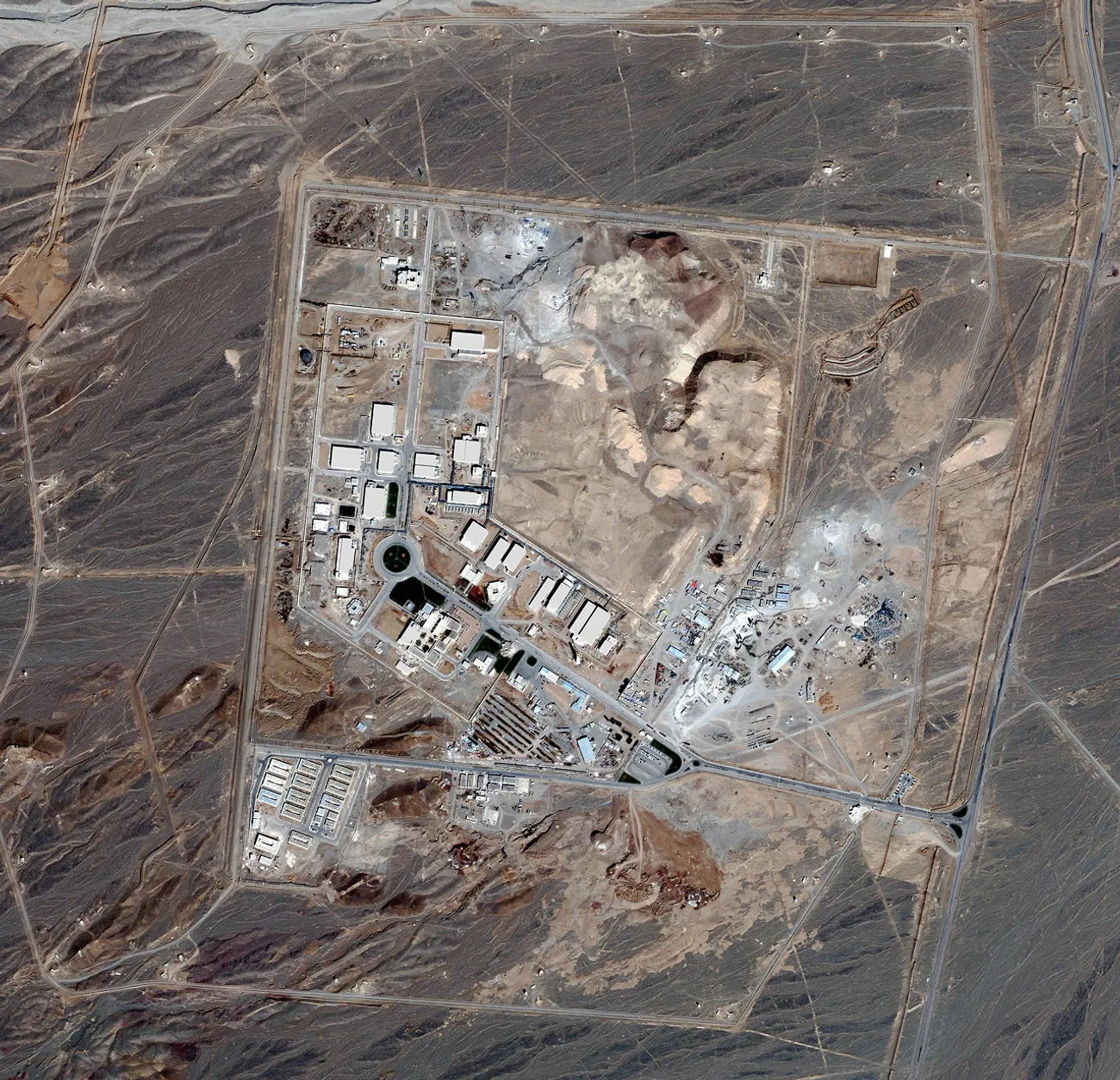
In 2003, Iran informed the International Atomic Energy Agency that it was suspending uranium enrichment and agreed to strict inspections of its nuclear facilities.
In 2007–2009, the US and European countries reported that Iran had secret uranium enrichment facilities.
In 2013–2015, Barack Obama held a phone conversation with Iranian President Hassan Rouhani.
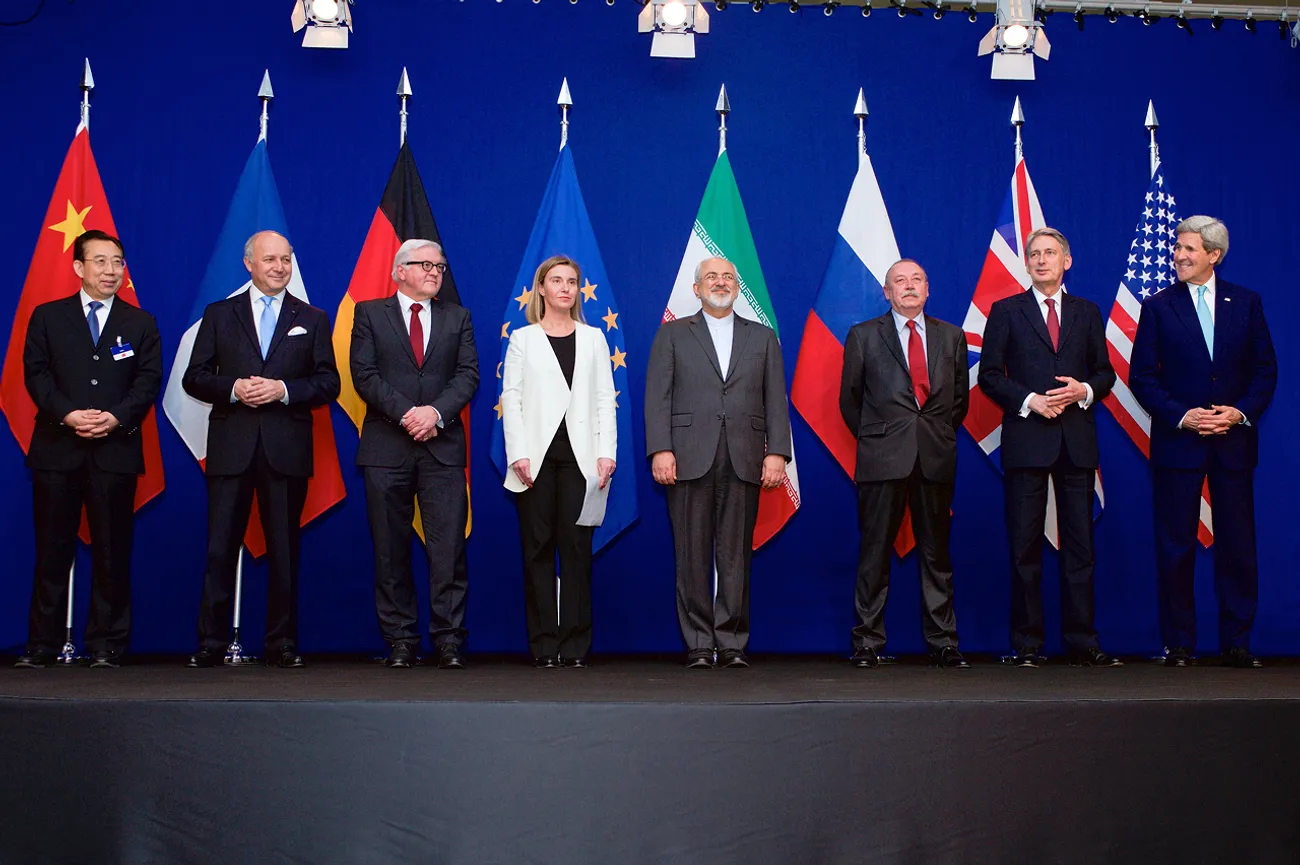
In November, Iran, Germany, and the permanent members of the UN Security Council — the US, Great Britain, France, Russia, and China — signed the Joint Plan of Action, an interim document aimed at concluding a broader nuclear agreement with Iran."
In 2018, President Donald Trump withdrew the US from the agreement and reimposed sanctions against Iran. Iran, in turn, had begun producing highly enriched uranium.
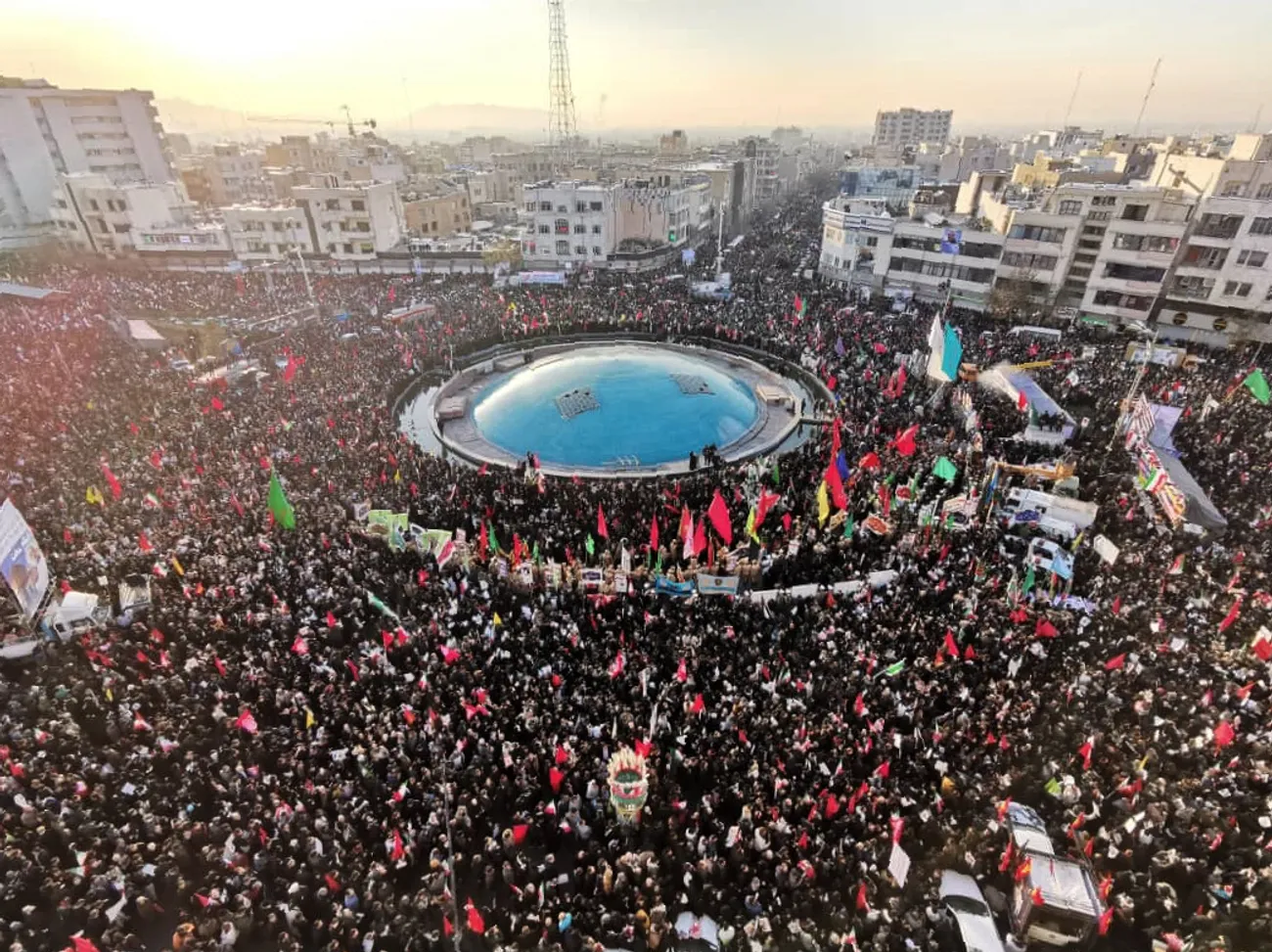
In 2019–2020, the US declared the Islamic Revolutionary Guard Corps (IRGC) a terrorist organization and killed one of its generals, Qasem Soleimani, in a drone attack. Iran is alleged to have responded by striking US military bases with missiles.
In 2021–2023, US President Joe Biden attempted to restore the nuclear agreement, but negotiations failed.
In 2025, Donald Trump sent a 'harsh' letter to Iran's Supreme Leader Ayatollah Ali Khamenei, demanding that he conclude a new nuclear agreement within two months. At the same time, Trump further strengthened US sanctions against Iran. Tehran did not accept the agreement.
In June, a 12-day war began between the Israeli Air Force and Iran — this was a series of airstrikes carried out to target Iran's nuclear and missile program.
There are claims that the US was a background participant in the short-term war.
In January 2026, Trump openly intervened in the severe political crisis that had erupted in Iran. In the final days of 2025, rising inflation of the Iranian rial brought thousands of Iranians into the streets — shortly thereafter, the protests clearly took on a political character: demonstrators chanted 'Death to Khamenei!' and 'Overthrow the regime!', also demanding that power be in the hands of Reza Pahlavi, the son of the late Shah, who lives abroad.
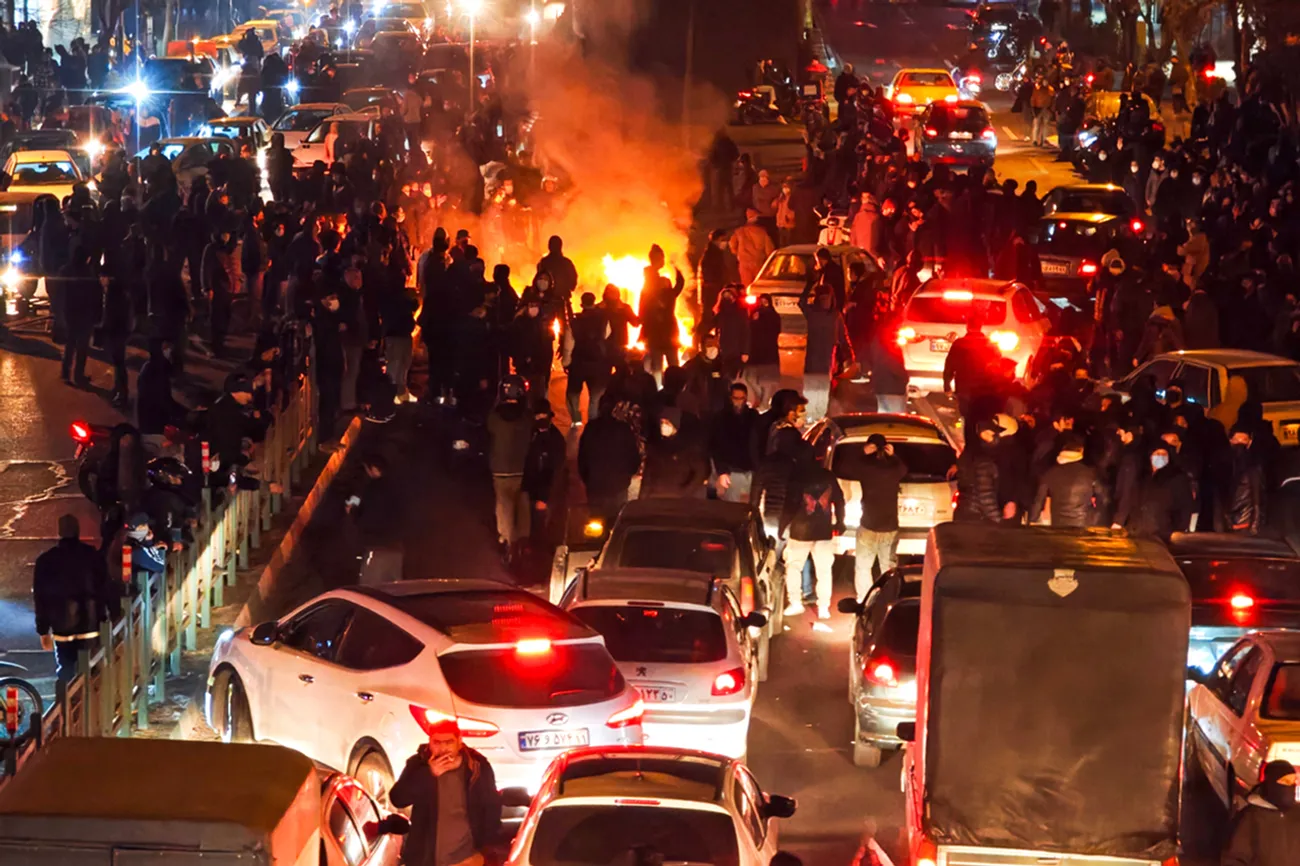
Trump called on Iranians to 'continue the protests' and stated that 'help is already on the way.' He also threatened the Iranian leadership, saying that if Tehran used violence against demonstrators, the US would intervene.
Nevertheless, the authorities began to suppress the protests harshly: the internet was cut off in the country, armed groups were deployed to the streets, and demonstrators were fired upon. The exact number of casualties is still unknown.
According to the Human Rights Activist news agency, over 6,000 people were killed and more than 50,000 were injured; according to other estimates, the number of fatalities could be in the tens of thousands. Furthermore, numerous demonstrators were arrested, and reports have emerged that some of them were sentenced to death.
Trump began to amass military forces around Iran: he sent numerous fighter jets and ships, including two aircraft carrier groups, to the Middle East.
However, shortly thereafter, he returned to negotiations regarding a new nuclear agreement (Trump had claimed that Iran's nuclear program had been completely destroyed as a result of the 12-day war).
In February, negotiations between the US and Iran resumed, but the parties put forward very radical demands. Consequently, on the last day of the month, the US and Israel launched a new military operation against Iran. This time, Trump declared that the objective of the operation was to eliminate the threat posed by the Iranian regime.