One of the most sensitive areas of the real estate sector in Azerbaijan – the issue of building management and collection of utility fees – has once again come to the forefront. Although the construction boom that has lasted for decades has changed the face of the capital, serious chaos prevails in the management model of both "old" and "new" buildings.
The situation in buildings constructed during the Soviet era is contradictory. Although Housing and Communal Services Departments (JEK) were officially abolished in 2009, these entities de facto continue to collect housing fees. Although residents make regular payments for elevators, cleaning, and waste removal, the actual situation is often far from satisfactory.
In buildings managed by Housing Construction Cooperatives (MTK), the term "komendant pulu" (superintendent fee) is the most frequently complained about issue by residents. Here, utility fees (for elevators, security, lighting, etc.) are often collected without a unified tariff, at subjective prices that vary from building to building. The lack of accountability, the inability of homeowners to participate in management, and the collection of payments sometimes based on "discriminatory" principles increase residents' dissatisfaction.
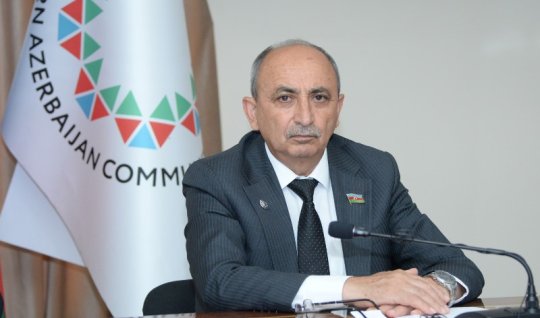
Rövşən Muradov, a member of the Milli Majlis Committee on Economic Policy, Industry, and Entrepreneurship, speaking to Modern.az about this management crisis and legislative gaps, criticized the current situation.
“A new legislative approach should be applied to the management of commonly used services and inventories such as elevators, water pumps, lighting, security, etc., in buildings and complexes.”
According to him, the mechanism for residents to organize themselves by creating an LLC to manage the building is not functional under current conditions:
“Although joint societies created by neighbors are regulated by the civil code, the mechanism still does not yield benefits. In that case, a court must be approached to resolve any problem. Waiting for a court procedure that lasts for months is not logical. This might be possible in some small buildings where neighbors are close to each other. But in residential complexes, people are not even acquainted. Asking someone for money is a difficult matter. There are even those who deliberately do not make payments. Housing Construction Cooperatives (MTK) also do not function properly. If they sell apartments to people they know, of course, they will not collect utility fees from them. As a result, the payments of other neighbors increase.”
The MP, touching upon the cumbersome nature of legislative procedures, proposes an alternative model:
I will make a proposal in the committee. It is expedient to establish a single public legal entity for the collection of utility payments and the provision of services. In such a case, administrative responsibility will compel citizens to make timely payments.”
Rövşən Muradov also recalled facts regarding the management of old buildings and the weakness of the municipal institution:
“As for buildings constructed during the Soviet era, they are still managed by Housing and Communal Services departments. However, there is no control mechanism for the funds collected by the department. In general, the entities referred to as “JEK” have been abolished since 2009. The few remaining ones exist through the channels of certain offices. Municipalities in the country also failed to prove their effectiveness. According to legislation, some services in residential areas – such as facade repair and cleaning of buildings – fall under the duties of municipal bodies,” the deputy said.