Although the prohibition of forcing children to adhere to a religion in the draft law “On Children's Rights” discussed in Parliament is considered a significant legal innovation, this norm raises several open questions in practice. Particularly, the issue of how the legal and social status of children forced to wear religious attire, including the hijab, from an early age will be regulated becomes topical. The presence of veiled students in schools in individual cases highlights the sensitive balance problem between a parent's religious views and a child's individual rights.
Modern.az contacted deputies regarding the issue.
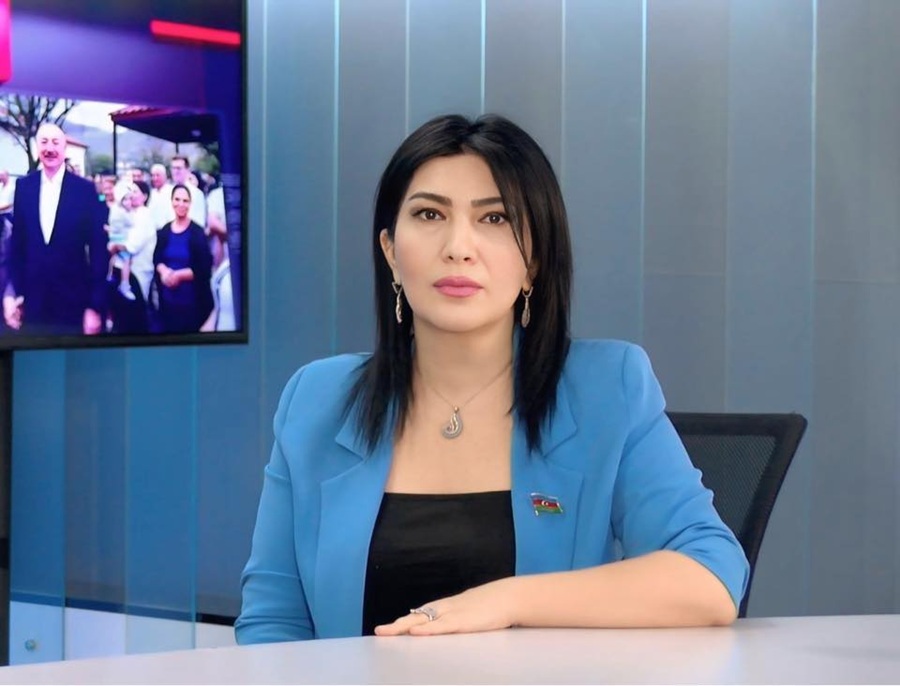
Member of the Milli Majlis Elnara Akimova stated regarding the new draft law “On Children's Rights” and the compulsion of children to religious belief that the topic touches upon one of the most sensitive points of society, and the issue should be approached not purely emotionally, but from a legal and ethical perspective.
According to Elnara Akimova, the main question concerns the child's identity:
“Is a child a miniature copy of a parent's worldview, or an independent person who will build their own destiny? The prohibition of forcing children to adhere to a religion in the new draft law "On Children's Rights" is not a random decision. This is the legal expression of recognizing the child as an individual. But the question is, will the law work in real life as it is written on paper?”
The deputy stated that today, veiled children who do not yet fully comprehend the world and do not understand the essence of their choices are encountered in schools, and this situation gives rise to contradictory approaches in society:
“Some see this as a ‘"family value"’, while others view it as "a violation of children's rights". In reality, the question is not about the hijab itself, but about compulsion. Because a choice is only a choice when it is based on consciousness. A "choice" made at an early age is often the choice of adults, not the child.”
Elnara Akimova noted that she does not deny parents' right to live their faith, but this right should not restrict the child's future free choices:
“A parent has the right to believe and live their faith. But if this right deprives the child of the freedom to think differently, believe differently, or not want to believe at all in the future, then a question of responsibility arises. A child is not an ideological successor to the parent, but an independent citizen of tomorrow. The state cannot remain silent at this point. Because silence sometimes means taking a side.”
The deputy also drew special attention to the role of the school. In her opinion, the school should be a neutral space, remaining a place where thought is formed, not where religious and ideological influences compete:
“School is a space where a child's mind, worldview, and critical thinking are formed, not a battleground for religious and ideological influences. A teacher should teach a student how to think, not what to wear. If within the school walls a child becomes a silent follower of family pressure, this is no longer just a family problem, but a societal one.”
Elnara Akimova noted that although the boundary between compulsion and personal choice is subtle, it can be clearly observed:
“A child's age, behavior, and ability to express their own opinion are the main indicators of this boundary. A child who remains silent out of fear, answering ‘it is necessary like this’, is not making a choice, but adapting. This adaptation, in turn, transforms into either internal rebellion or thoughtless obedience in the future. Both outcomes are dangerous for society.”
In the deputy's opinion, conducting monitoring in schools should be regarded not as surveillance, but as a protective mechanism:
“These monitoring efforts are not to expose children, but to hear their voices. A child often cannot speak, but their behavior says everything. Risks of radicalization, psychological pressure, and hidden forms of violence, if not detected at an early stage, later lead to severe consequences.”
Elnara Akimova emphasized that the discussion is not about fighting religion, but about protecting the child's future:
“Faith should grow in a person's heart, not through fear. Forced belief does not create faith; it only forms obedience. The duty of the state and society is to raise thinking, choosing, and responsible individuals, not obedient ones. Every burden placed on a child is written into their destiny, and we must act cautiously when writing this destiny.”
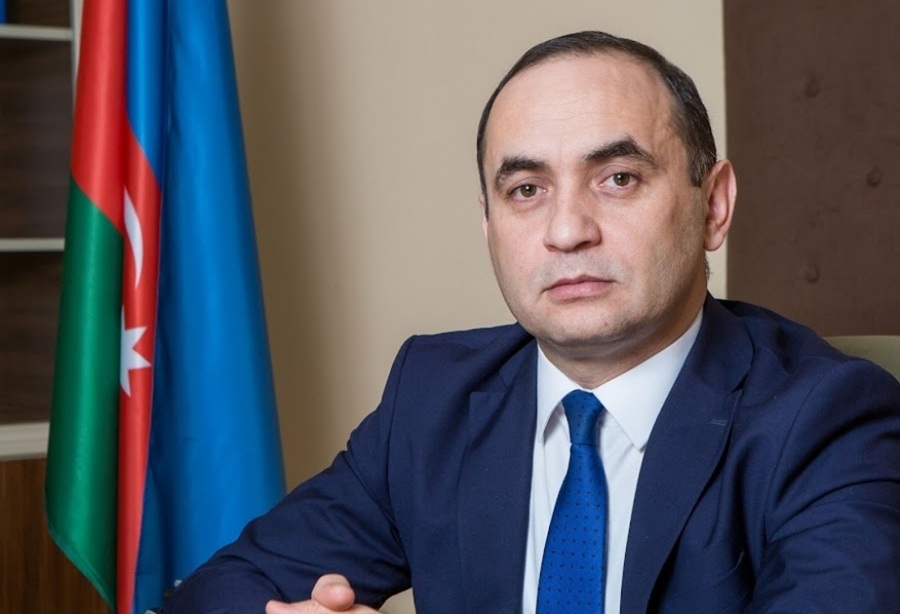
Deputy Jeyhun Mammadov stated that Azerbaijan is a legal and secular state, and freedom of belief is fully ensured in the country. Religious belief is a personal right of an individual, and no one can be subjected to compulsion in this area.
According to him, every citizen's religious choices are recognized and protected by the state:
“There is freedom of belief in Azerbaijan, and we are a secular country. In this country, everyone's rights are recognized and protected. Freedom of religious belief is a person's own right. Those who wish can worship and wear the hijab. Those who do not wish to do so are also entitled to that. This is also their right.”
Jeyhun Mammadov noted that children can participate in religious rites and perform religious rituals with the permission of their parents. Legislation allows this. However, if this process turns into compulsion, the state's intervention mechanisms come into play:
“If a parent forces their child to wear a hijab or participate in religious rites, then law enforcement agencies play their role.”
The deputy believes that pitting religious and non-religious people, veiled and unveiled citizens, against each other is not the right approach:
“We cannot force anyone to do anything, nor do we have the right to. The process should be regulated accordingly. If there is a violation of rights, action should be taken in accordance with the law; if not, there should be no subject for discussion.”
According to him, clothing choice is also a matter of individual rights, and the hijab is an integral part of these rights:
“Just as wearing open, closed, tight, or short clothing is everyone's right, so is wearing the hijab everyone's right. We should not be concerned about someone wearing a hijab. This is also enshrined in international law.”
Jeyhun Mammadov emphasized that the hijab cannot be presented as an obstacle to education under any circumstances, and a different approach to the issue could lead to tension in society:
“Just as no one is forbidden from undressing, the issue concerning the hijab should be similar. Otherwise, disputes may arise between religious and non-religious people in the future.”
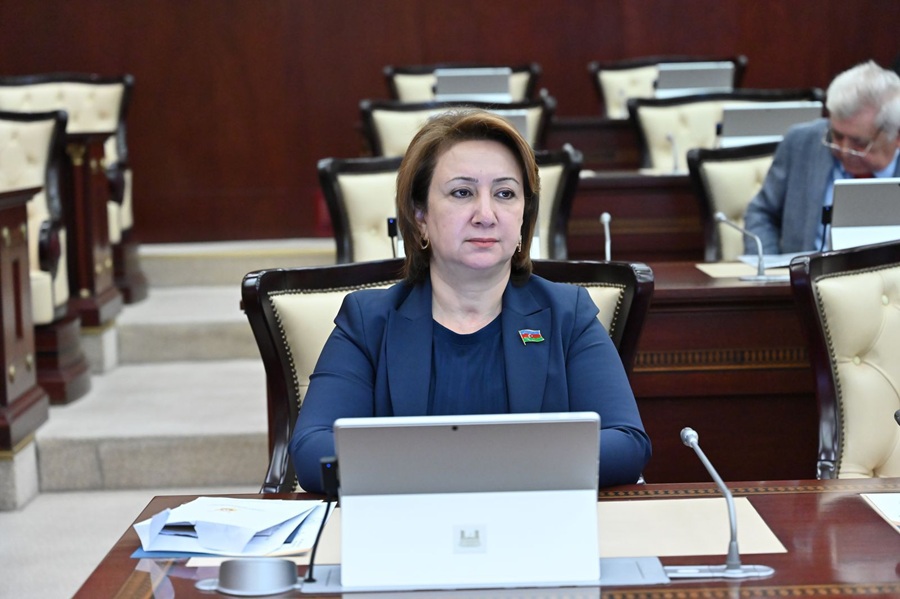
Deputy Mehriban Valiyeva assessed the prohibition of forcing children to adhere to a religion in the new draft law “On Children's Rights” as a significant and principled step from the perspective of modern legal approaches. According to her, this norm primarily serves the formation of the child as an individual, the protection of freedom of conscience, and the right to choose.
Mehriban Valiyeva stated that the establishment of a legal framework also brings to the forefront a number of complex questions in practice, and particularly the situation of children forced to wear the hijab from an early age is a topical subject of discussion for society. The deputy emphasized that this issue should be approached from a legal and psychological aspect, not an emotional one:
“At early ages, a child's ability to freely express their will is psychologically and socially limited. For this reason, presenting religious attire and behaviors as a “personal choice” for young children cannot be unequivocally accepted.”
The deputy reminded that while the Constitution of the Republic of Azerbaijan establishes the responsibility of parents for the upbringing of their children, it also ensures children's freedom of conscience and religious belief. In her opinion, the main difficulty lies in maintaining a balance between these two principles:
“A parent's religious views may influence a child's future worldview, but this influence should not reach a degree that restricts the child's individual rights.”
According to the deputy, the compulsory imposition of the hijab on young children by parental will creates a risk of violating the child's rights, and the new draft law is specifically aimed at preventing such cases. She noted that this approach is not against religious beliefs, but serves to protect the child's right to make conscious choices in the future.
Mehriban Valiyeva also emphasized the special role of schools in this process. In her opinion, the education system is not only a transmitter of knowledge but also an important public institution that shapes secular values and legal culture.
“The state and the education system should act from an educational and protective stance here, not a punitive one. The goal is not to create confrontation with parents, but to prioritize the assurance of children's rights.”
She added that monitoring that can be carried out in schools should be considered not as a mechanism of control and pressure, but as a means of early risk detection. In Mehriban Valiyeva's opinion, these processes should be transparent, based on legal grounds, and implemented with the principle of respect for human rights.
Finally, the deputy emphasized that this norm stipulated in the new draft law “On Children's Rights” is an indicator of the Azerbaijani state's commitment to the principles of secularism and a legal state, and the main goal is to ensure the formation of the child as a free, healthy, and conscious individual.