
Turkey has already become one of the main centers of world tourism, and this is no secret to anyone. The reason for this is not only its magnificent natural landscapes. Rich history, vibrant culture, warm-hearted people, hospitality, famous cuisine, and a professional service sector transform this country into a particularly attractive destination for tourists.
The coasts of Antalya, the sky-reaching rocks of Cappadocia, the majestic columns of Ephesus, the white terraces of Pamukkale, and the stone streets of Mardin – each tells a unique story.
Regardless of the season you visit Turkey, a new natural wonder awaits you. It is possible to rediscover this marvelous place every time.
State strategy plays a significant role in Turkey's tourism success. The Ministry of Culture and Tourism and its affiliated Tourism Promotion and Development Agency (TGA) implement extensive projects to promote the country's tourism potential worldwide. Thanks to the “GoTürkiye” platform, international exhibitions, and digital campaigns, Turkey has secured a well-deserved place among the most visited countries in the world in recent years.
The Crossroads of History and Culture – Istanbul
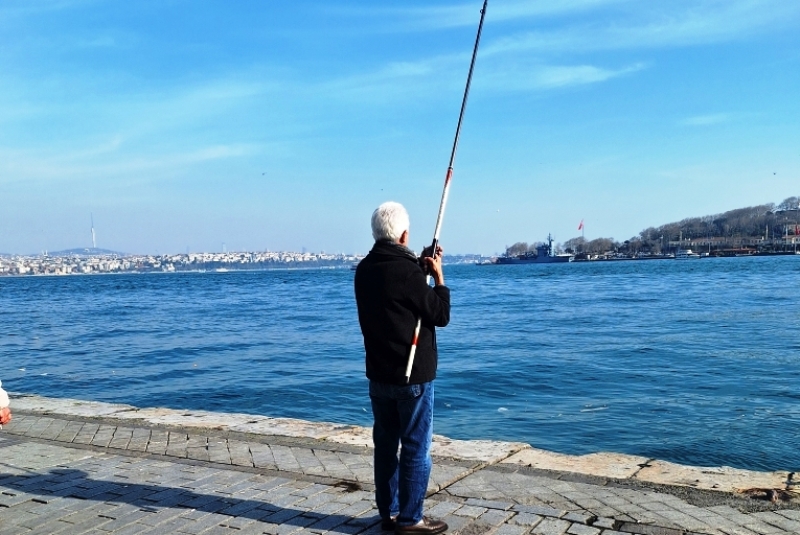
The first stop of our journey was the magnificent city that connects two continents – Istanbul. Approximately 16 million people live in this metropolis, which is Turkey's largest city. Stretching along the Sea of Marmara and the Bosphorus coast, the city is one of the rare places that unite the continents of Europe and Asia.
Istanbul has also been the capital of four great empires. The city went down in history as the capital of the Roman Empire from 330–395, the Byzantine Empire from 395–1204 and 1261–1453, the Latin Empire from 1204–1261, and the Ottoman Empire from 1453–1922.
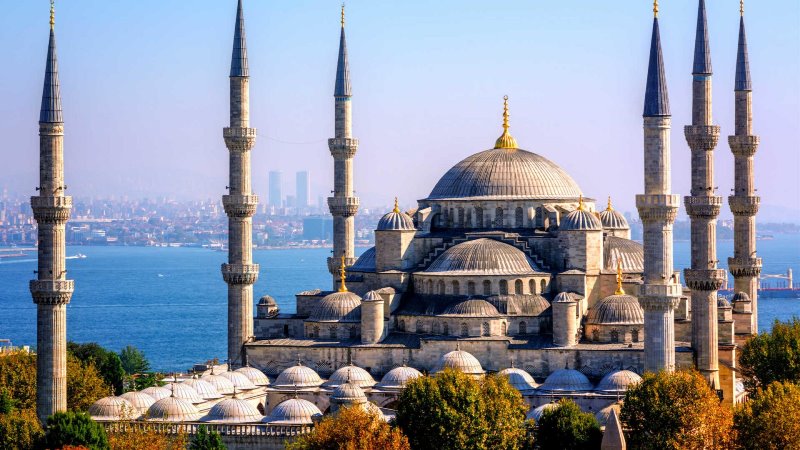
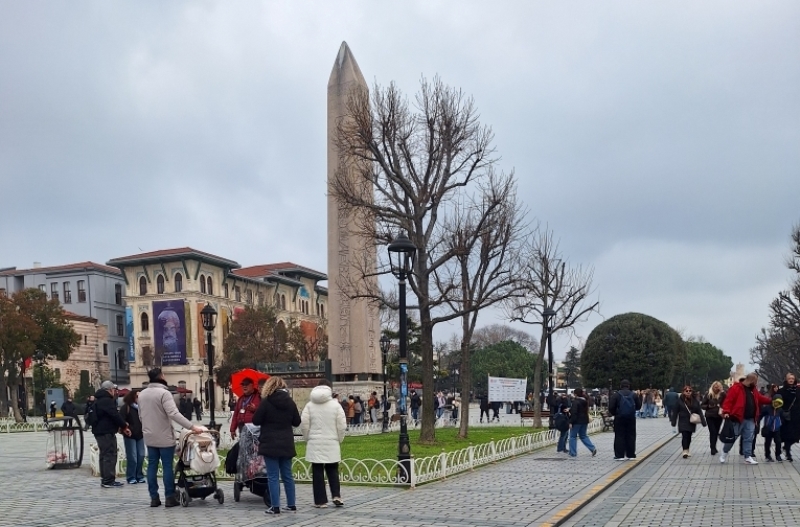
The Bosphorus Strait, connecting the Black Sea and the Sea of Marmara, gives the city great strategic and geopolitical importance. The Sultan Ahmed Mosque, Hagia Sophia, Dolmabahçe Palace, Eyüp Sultan Mosque, and Taksim Square, considered symbols of Istanbul, attract millions of tourists every year. In this city, history lies beneath every stone, every street.
The Heart of Istanbul – Taksim
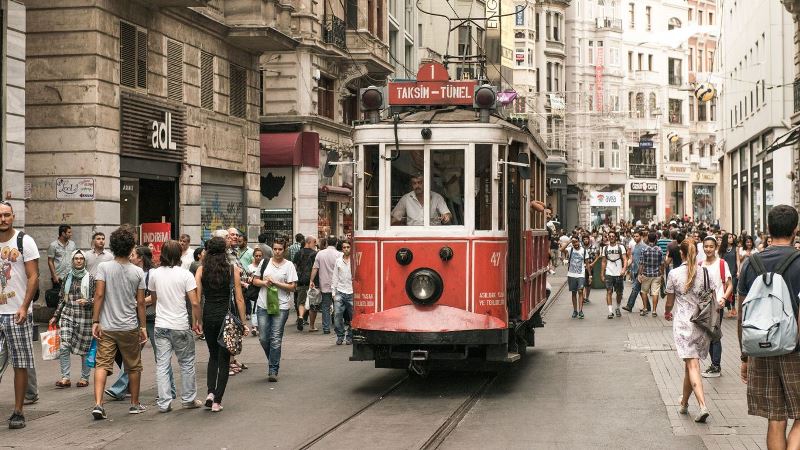
To feel the soul of Istanbul, there is a special place. That place is Taksim Square. Located in the Beyoğlu district, Taksim is not just a square – it is the pulse of the city. Here, the footsteps of thousands of people, the performances of street musicians, the calls of vendors, and the distant ringing of the tram create a peculiar harmony.
The Republic Monument, rising in the center of the square, reflects the founding spirit of Turkey. On any day of the year, crowds of tourists, young people, and city residents can be observed here.
Istiklal Avenue, stretching down from Taksim, is an entirely different world. The red nostalgic tram moving along the street seems to transport one through time. Ancient buildings, art galleries, bookstores, and cafes give this street a special atmosphere.
As one walks along Istiklal Avenue, Istanbul's multinational and cosmopolitan spirit becomes more distinctly felt. On one side, street musicians perform retro Turkish songs, while on the other, tourists try to feel the city's energy.
From Taksim, the road leads us towards Galata. The Galata Tower, rising here, gazes from the depths of centuries, bearing witness to the modern city. The narrow streets, small workshops, and art spaces around the tower transport one to another time.
A Place that Embodies the Spirit of Conquest
During our visit to Istanbul, we also visited the Sultan Eyüp Mosque, which holds great spiritual significance for the Islamic world.
This mosque was built over the tomb of Abu Ayyub al-Ansari, the standard-bearer and companion of Prophet Muhammad (PBUH). According to legend, he died during the first Muslim siege of Istanbul and bequeathed to be buried near the city walls.
After Istanbul was conquered in 1453, his tomb was found, and a mosque was built here by order of Mehmed II. During the Ottoman period, new sultans ascending to the throne would pray here and formalize their rule with the “girding of the sword” ceremony. Even today, the Eyüp Sultan Mosque is considered one of the holiest places in the Muslim world. As one walks in the mosque's courtyard, the sound of pigeons' wings and the whispers of people praying transport one to the silence of centuries.
The Memory of Centuries – Hagia Sophia
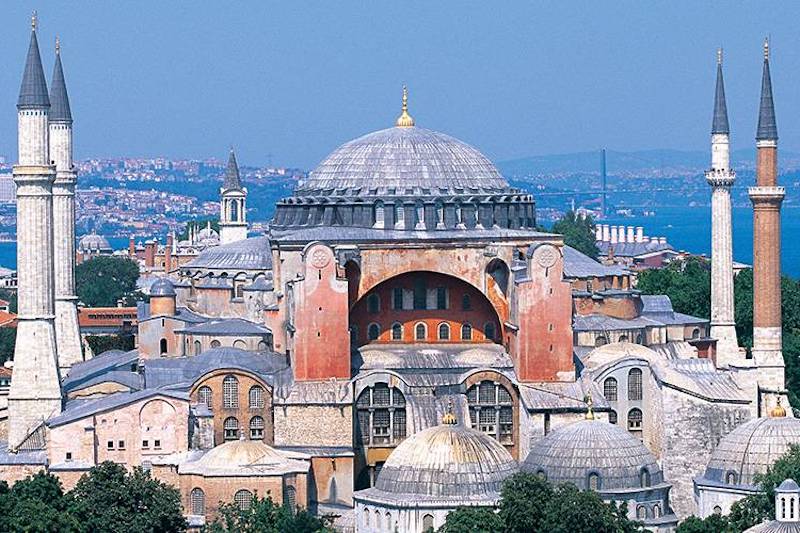
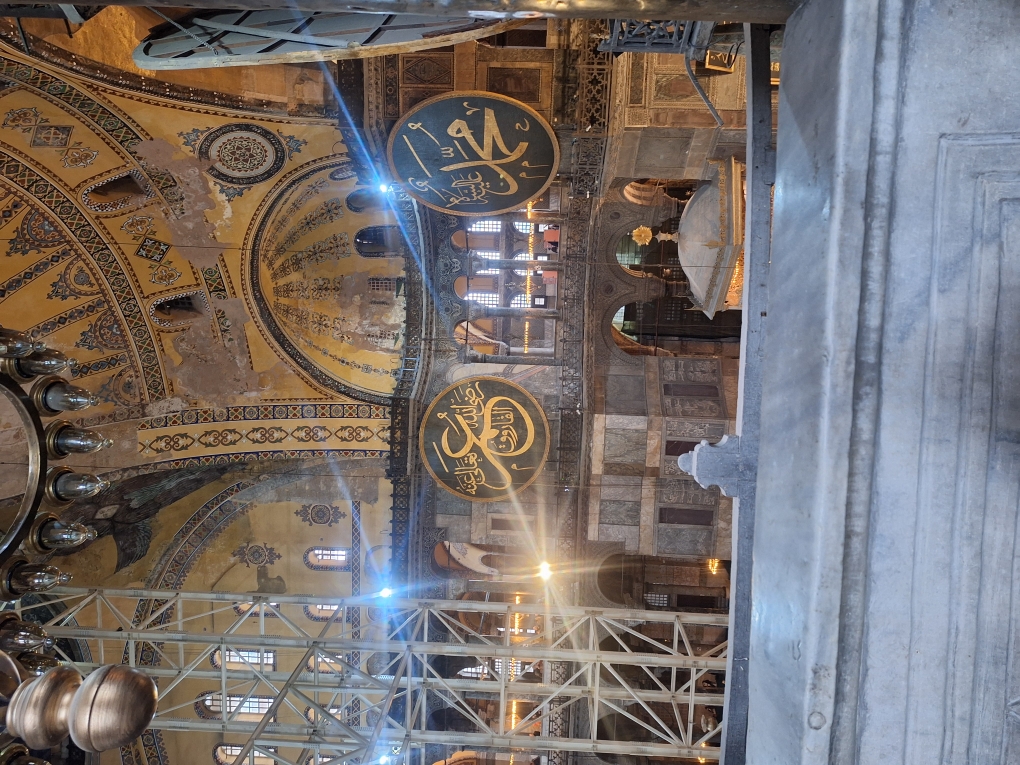
One of Istanbul's most magnificent historical monuments is Hagia Sophia. Built in the 6th century by Byzantine Emperor Justinian I, this grand structure has witnessed empires throughout centuries. Its colossal dome, 55 meters high, and the light filtering through its 40 windows bestow a special divine aura upon Hagia Sophia.
After Istanbul was conquered in 1453, Hagia Sophia was converted into a mosque and functioned in this status for 481 years. This magnificent monument, converted into a museum in the 1930s, has been reopened for worship as a mosque since 2020.
Upon entering Hagia Sophia, one feels as if standing still in time. On one side, Christian mosaics; on the other, examples of Islamic calligraphy… The traces of two great civilizations coexist here.
Journey to the First Capital of the Ottoman Empire
After our visit to Istanbul, our journey was to the city of Bursa, the first capital of the Ottoman state. On our way to Bursa, we cross the Osman Gazi Bridge. This magnificent bridge, over two kilometers long, is one of the largest suspension bridges in the world.
Bursa, located at the foot of Uludağ, is Turkey's fourth-largest city, with a population of nearly three million. Conquered by Orhan Gazi in 1326, the city served as the capital of the Ottoman state for 130 years.
Green Bursa – The Cradle of the Empire
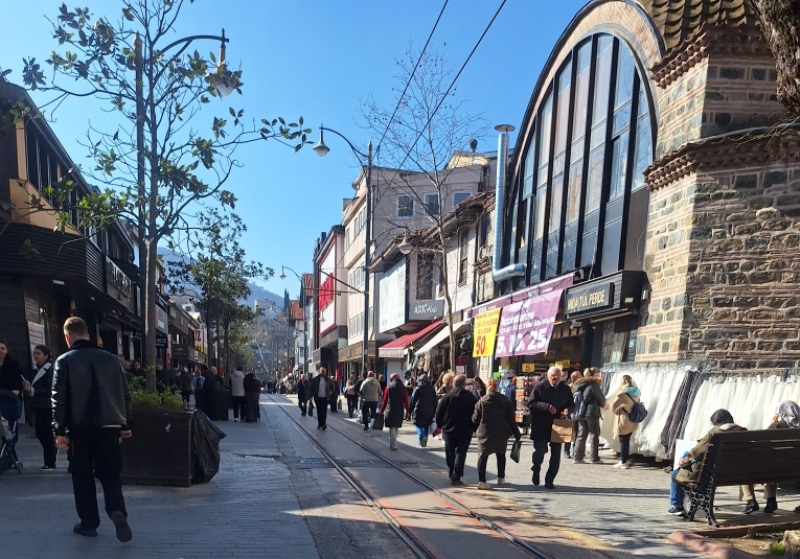
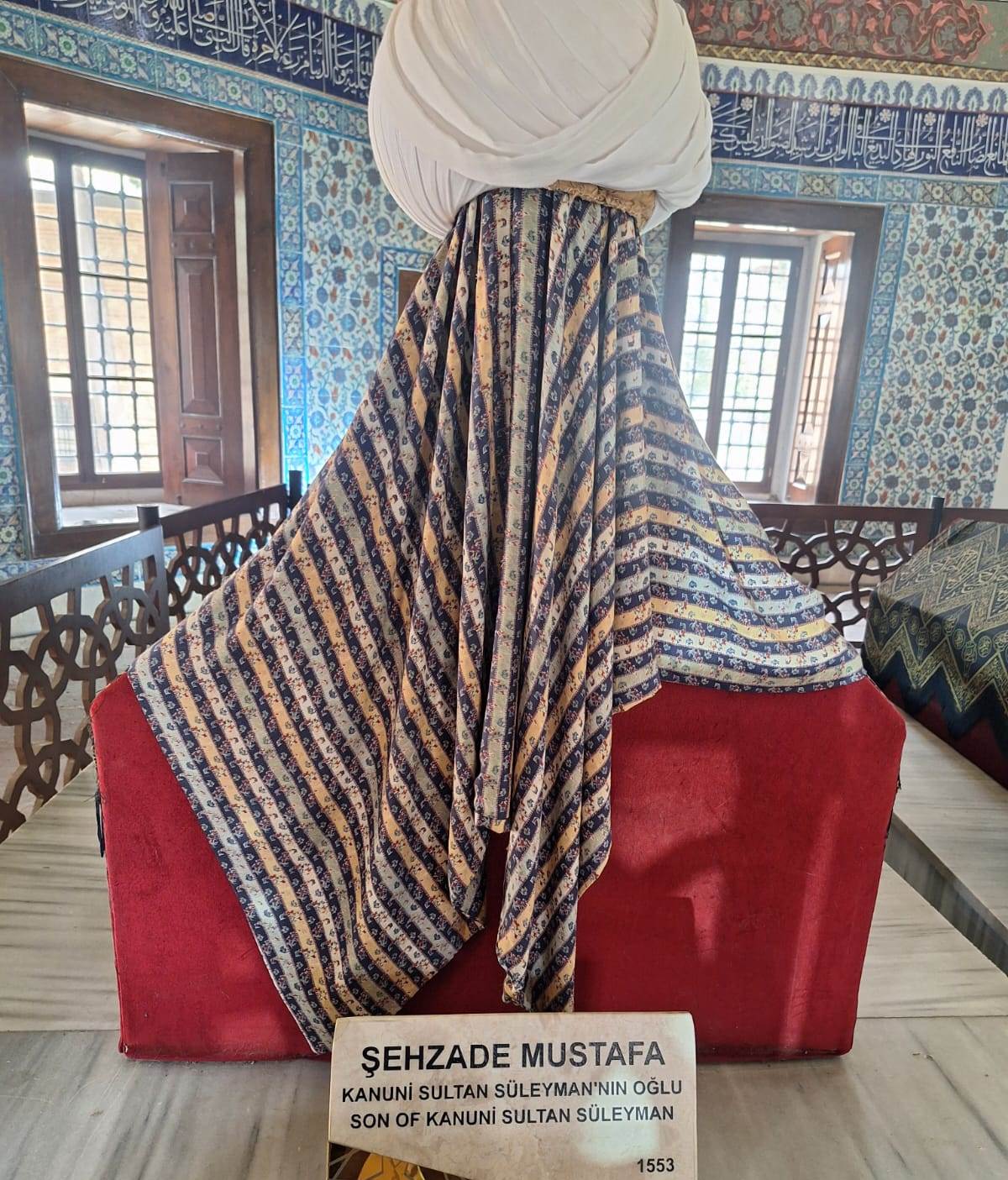
Bursa is known as the “Green City.” The city's calm rhythm, lush nature, and ancient structures seem to transport one to another time. The tomb of Osman Gazi, rising in the city center, commemorates the starting point of the Ottoman state. The tombs of six Ottoman sultans are located here.
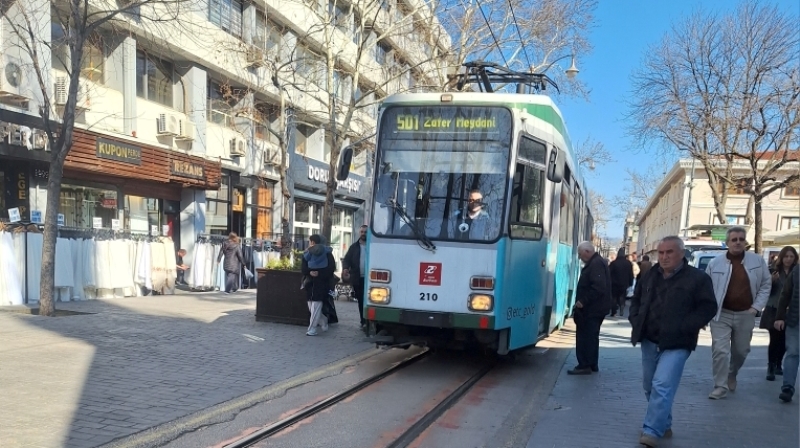
One of Bursa's most magnificent monuments is the Ulu Cami mosque, built in the late 14th century. This splendid structure with 20 domes is considered one of the brightest examples of early Ottoman architecture.
According to legend, Yıldırım Bayezid swore that if he won a battle, he would build 20 mosques. Later, he fulfilled this vow by constructing a large mosque with 20 domes.
The Green Mosque and Green Tomb, located in the city, are rare monuments showcasing the delicate tile art of Ottoman architecture.
Traces of the Silk Road
Throughout history, Bursa has been one of the important stops on the Silk Road. The Koza Han caravanserai still preserves the commercial spirit of that era today.
The sound of the fountain in its courtyard, people drinking tea in the shade, and shops selling silk scarves seem to keep alive the traces of past caravans. Mount Uludağ, constantly visible above the city, is Bursa's natural symbol. It is one of the main destinations for ski enthusiasts in winter and those seeking cool air in summer.
Bursa is a very distinct city. For some reason, I have a very warm feeling towards this city in my heart. Bursa, the first capital of the Ottoman Empire, is in no hurry, unlike Istanbul and its residents. Life here flows at its own pace, and a tranquility that calms the human heart prevails.
It is almost impossible to visit Bursa and not taste İskender kebab. Tasting this famous dish in its homeland is a special culinary experience.

Bidding Farewell to the City
My first acquaintance with Bursa was in 2022. That year, the city was declared the “Cultural Capital of the Turkic World” by TÜRKSOY. On this visit, however, I felt it more intimately. I breathed its air into my lungs, walked its history, listened to its silence.
Some cities remain on the map. Bursa, however, remains within one's heart.
When departing, one cannot say “I'm gone.” You simply say goodbye until the next meeting.
I am not bidding farewell to the mysterious, magical Istanbul that connects two continents, nor to Bursa, the first capital of the Ottoman Empire and a source of tranquility; I am merely saying “see you later.”
We will definitely meet again.
Saadat Hakhıyeva





