On April 3, the Lankaran State Vocational Education Center was in the spotlight this time not only for students but also for media representatives, experts, and officials. Although the infotour, organized to demonstrate the real situation of vocational education in the regions, resembled a kind of "open day," the scene presented here was more than just an introduction. It was a live demonstration of a changing education system.
The visit was attended by Deputy Minister of Science and Education Kenan Karimzade, representatives of the ministry, employees of the State Agency for Vocational Education, media leaders, and journalists. The goal is clear: to dismantle existing stereotypes about vocational education on the spot and to showcase the new reality.
Upon entering the center's territory, the first thing that catches the eye is the extensive and systematically built infrastructure.
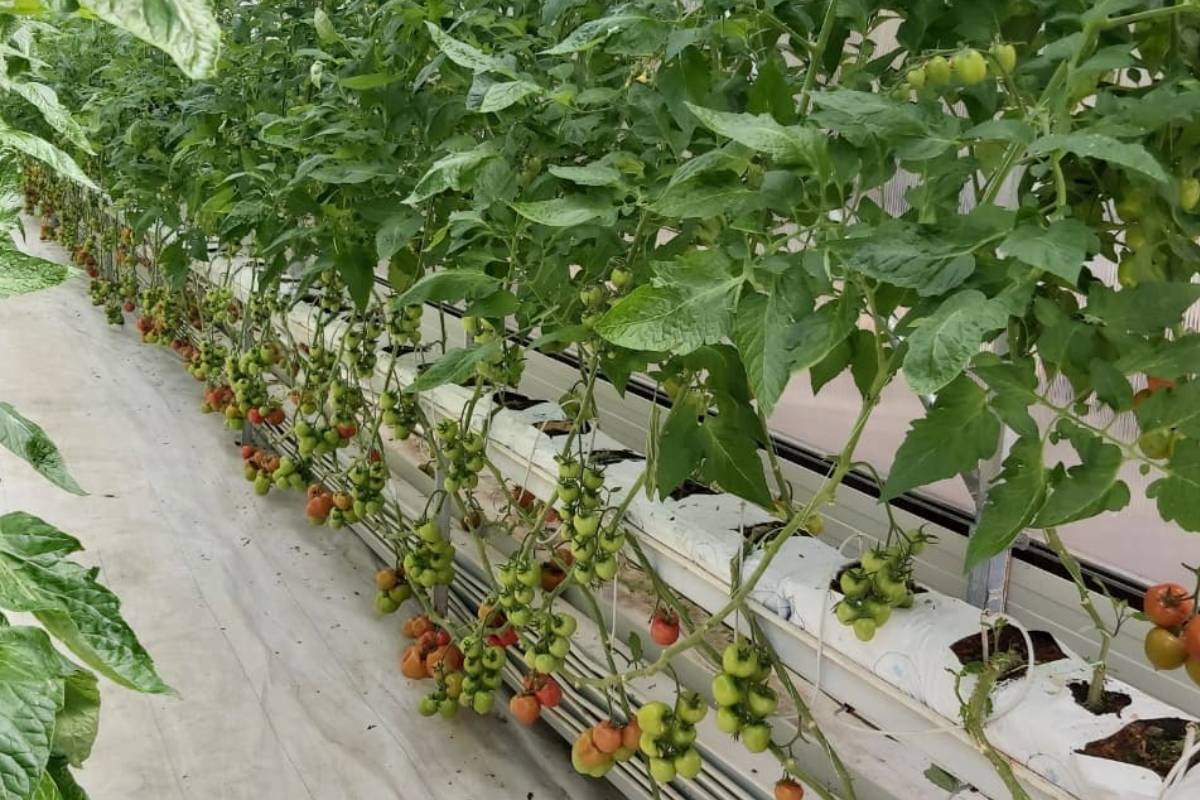
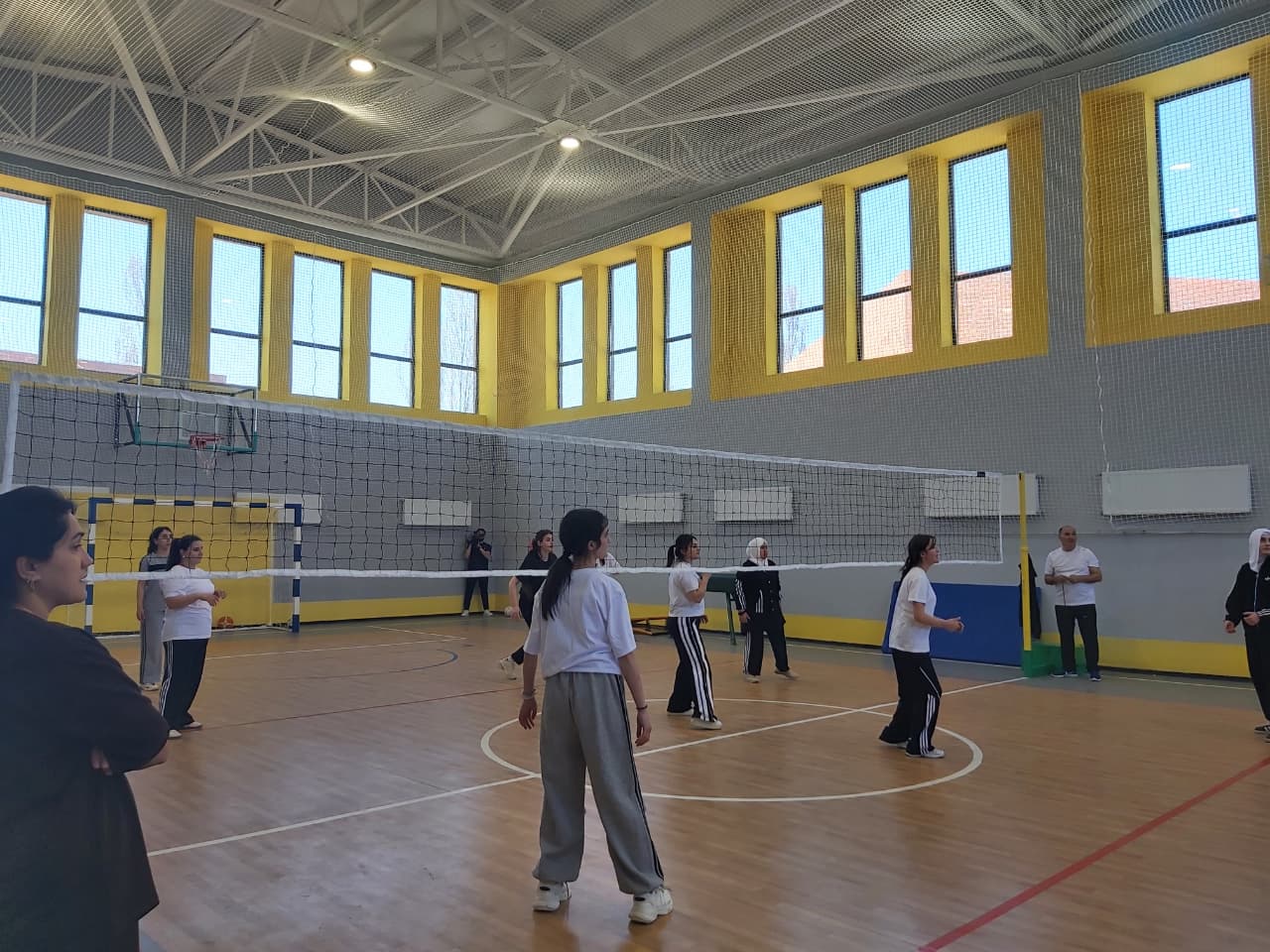
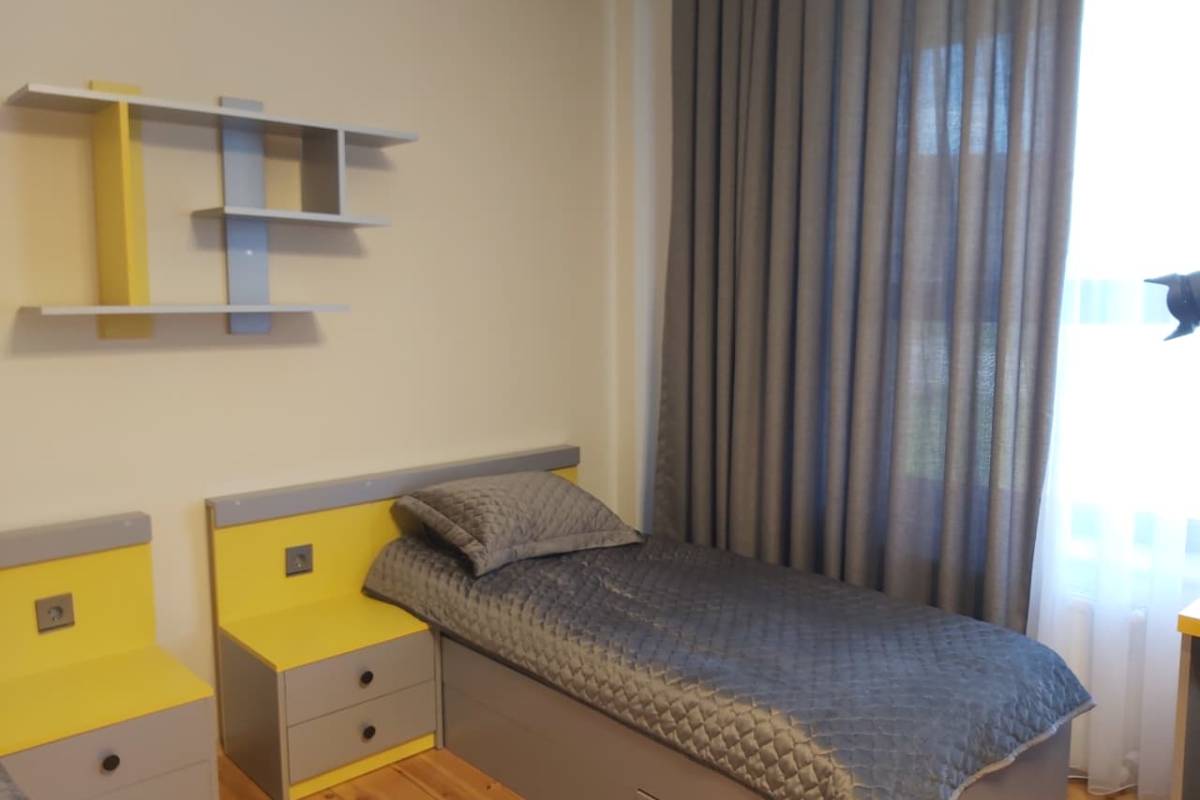
After reconstruction, the complex, consisting of 7 buildings, houses not only classrooms but also laboratories, greenhouses, workshops, a dormitory, sports facilities, and social amenities.
Here, at the same time, there are informatics classrooms, modern classrooms, a military training room, a library, an assembly hall for 300 people, and a canteen. A dormitory building for 53 people has been constructed on the territory.
In the 2025/2026 academic year, 962 students are studying in 55 groups across 42 specialties at the center. The institution provides personnel training in tourism, agriculture, industry, services, IT technologies, and alternative energy.
After the establishment of a new material and technical base at the center, many modern specialties are taught, including technician for technical maintenance and repair of electric and hybrid vehicles, computer networks and network administration, technical operation of software-controlled industrial equipment, cybersecurity, programming in computer systems, construction and operation of buildings, and specialist and technician for installation and repair of electrical lines and solar panels.
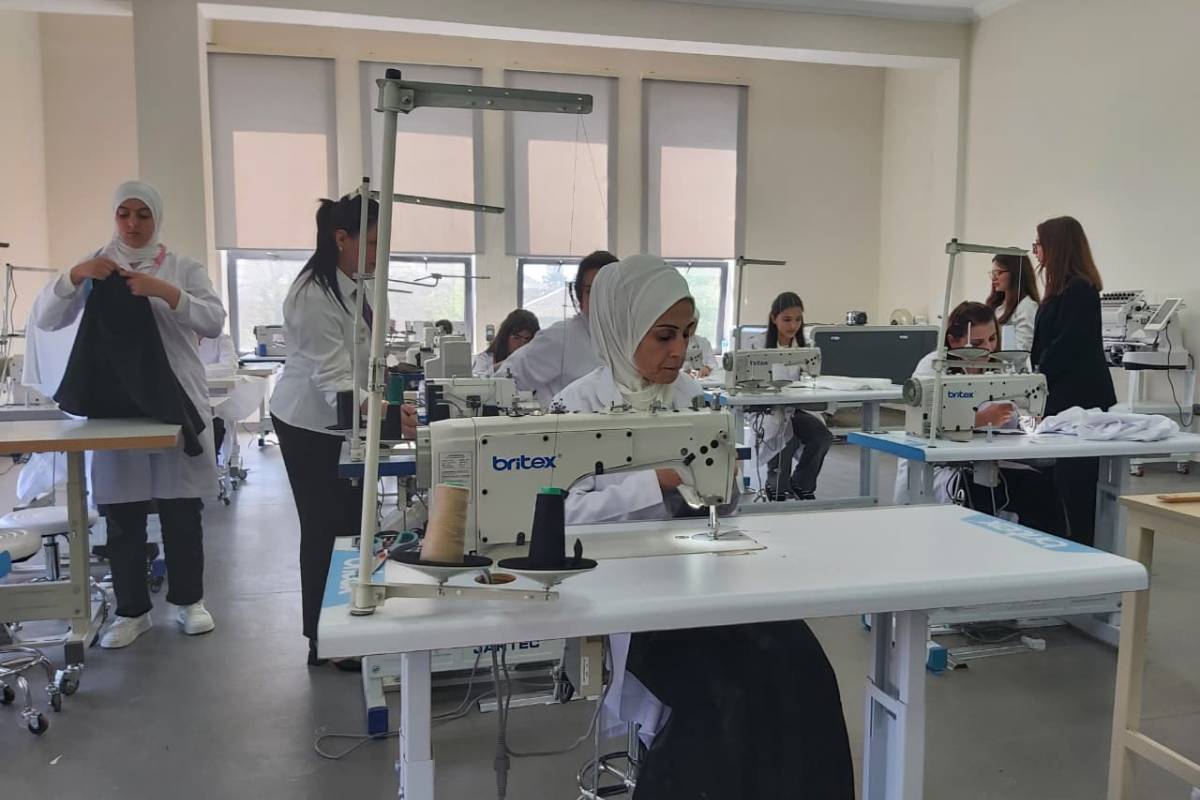
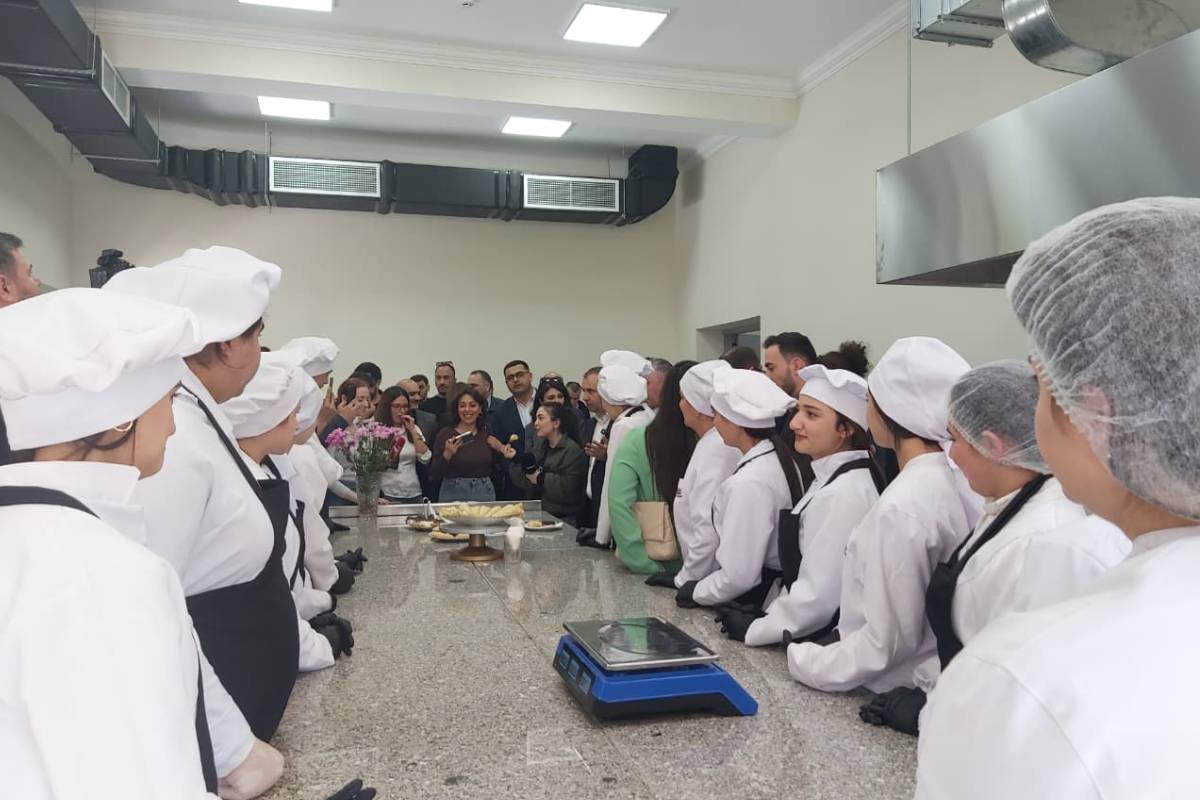
Workshops equipped with CNC machines, car repair areas, culinary blocks, and the “training-guest house” model clearly demonstrate that vocational education has moved beyond the old “master-apprentice” format and transformed into a modern system. Here, students not only learn but also gain experience in conditions that simulate a real work environment.
Speaking within the framework of the infotour, Deputy Minister Kenan Karimzade particularly emphasized the importance of the center:
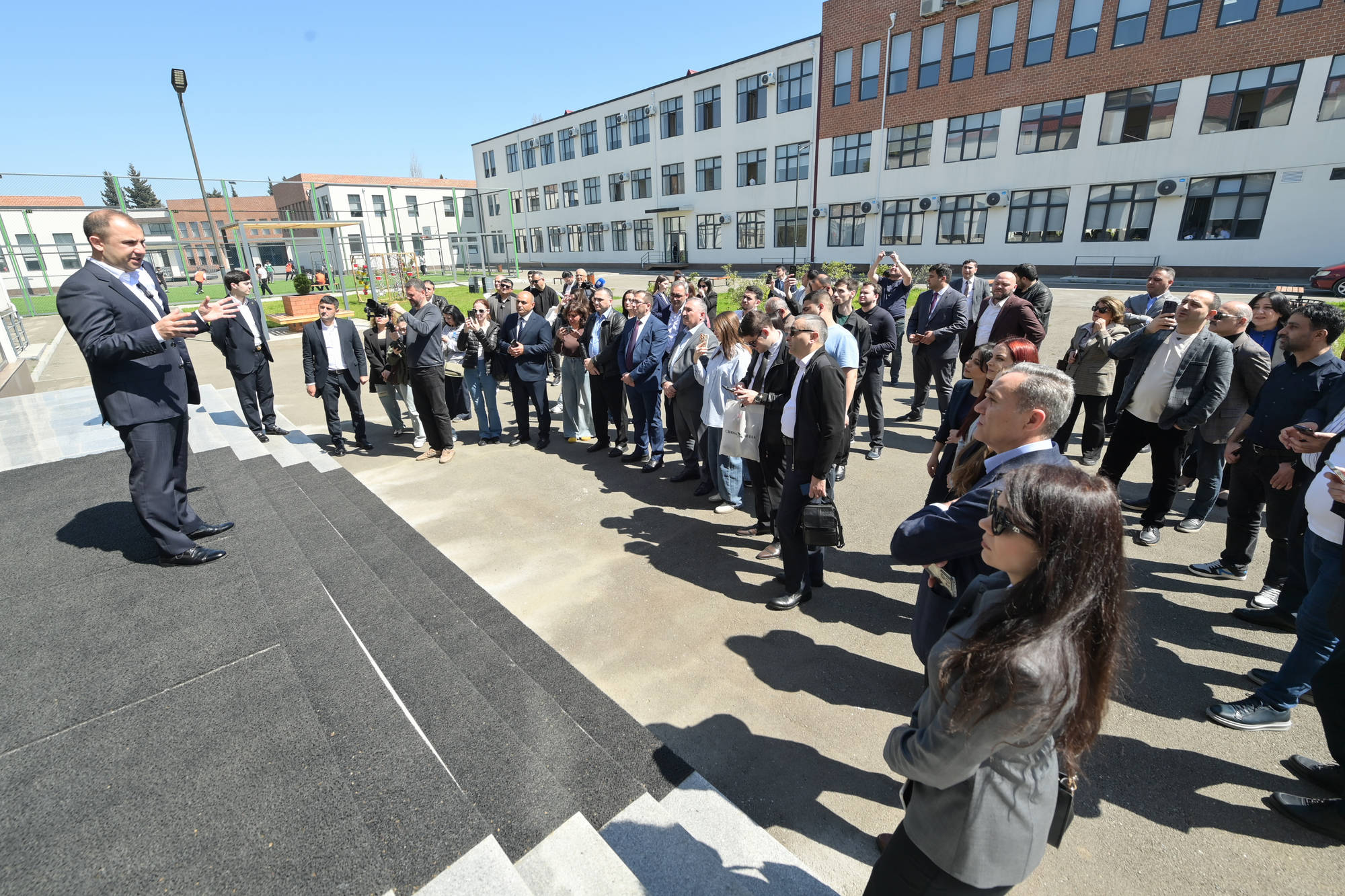
“I am very pleased that we have the 5th such vocational education institution commissioned in recent years. It is a great gift from Mr. President to this region, to the science and education system. At the end of last year, political approval was given by the head of state for the creation of 23 new schools in the country, renovated with modern standards and new infrastructure. I believe that by 2030, at least 30 vocational education centers with very high infrastructure, updated content, and somewhat changed financing will be established in the country. Approximately 1000 students are studying at this institution. This year, about 800 students have been admitted to the institution. It is likely that the number of our students will reach 1200 in the coming years.”
The Deputy Minister also emphasized in his statement to journalists that both theoretical and practical components are now balanced in vocational education, and this is reflected in the results:
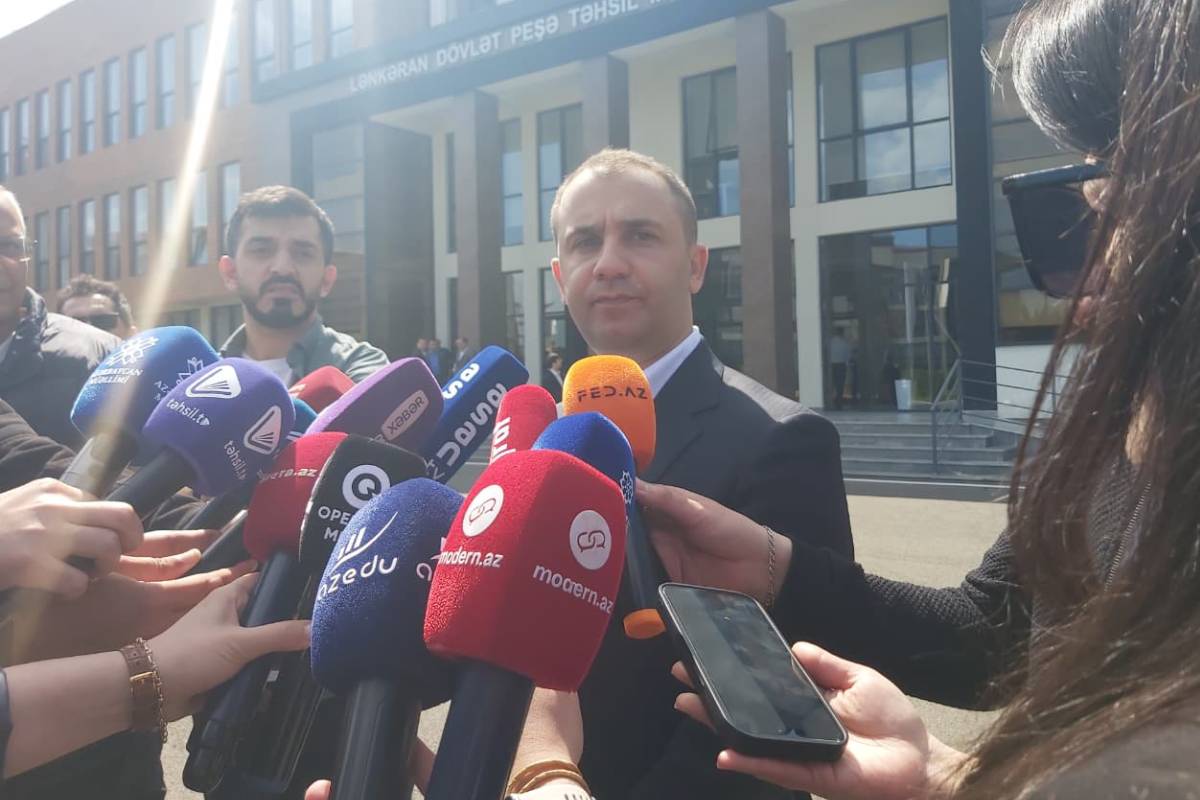
“This institution was inaugurated by the esteemed Mr. President. This institution is a gift from the head of state to the city of Lankaran as a whole, and I believe, to all of Azerbaijan. We have very good results. As you can see today, both the theoretical and practical aspects of education and training are reflected in the institution. Today was our second official event after Mr. President's visit. I hope that media representatives will convey the stories they witnessed here to the wider public. In general, I would like to note that there is great interest in vocational education. In the coming years, at least 1 or 2 such modern vocational education institutions will likely be commissioned.”
The presentations and masterclasses organized for the infotour participants demonstrated that the learning process is not limited to classrooms.
Afər Kərimov, the director of the center, specifically noted, speaking about the new specialties:
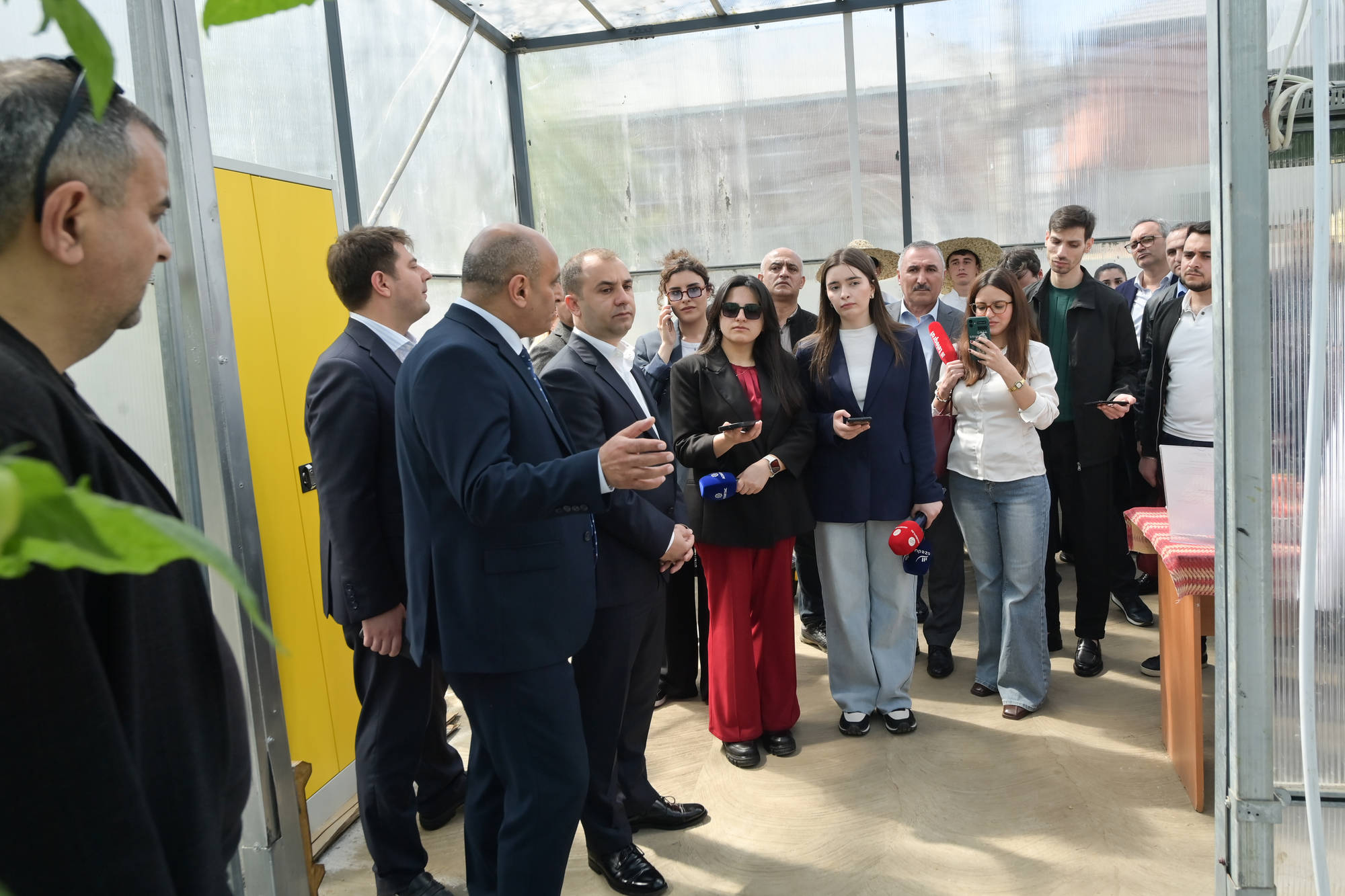
“The specialty of repair and diagnostics of electric and hybrid vehicles is new for vocational education. In the 2025-2026 academic year, 20 students were admitted to this specialty. Our students are currently undergoing certain trainings related to the field together with their teachers. I would like to note that the workshop is fully equipped. At the same time, there are 2 simulators here. The specialty itself is new and there is considerable interest.”
This indicates that vocational education is now adapting to the technologies of the future and meeting the real demands of the labor market.
The most memorable part of the infotour was the students' stories. A new perspective on vocational education is clearly felt in their words.
19-year-old Tugra Aliyeva explains why she chose the tailoring specialty:
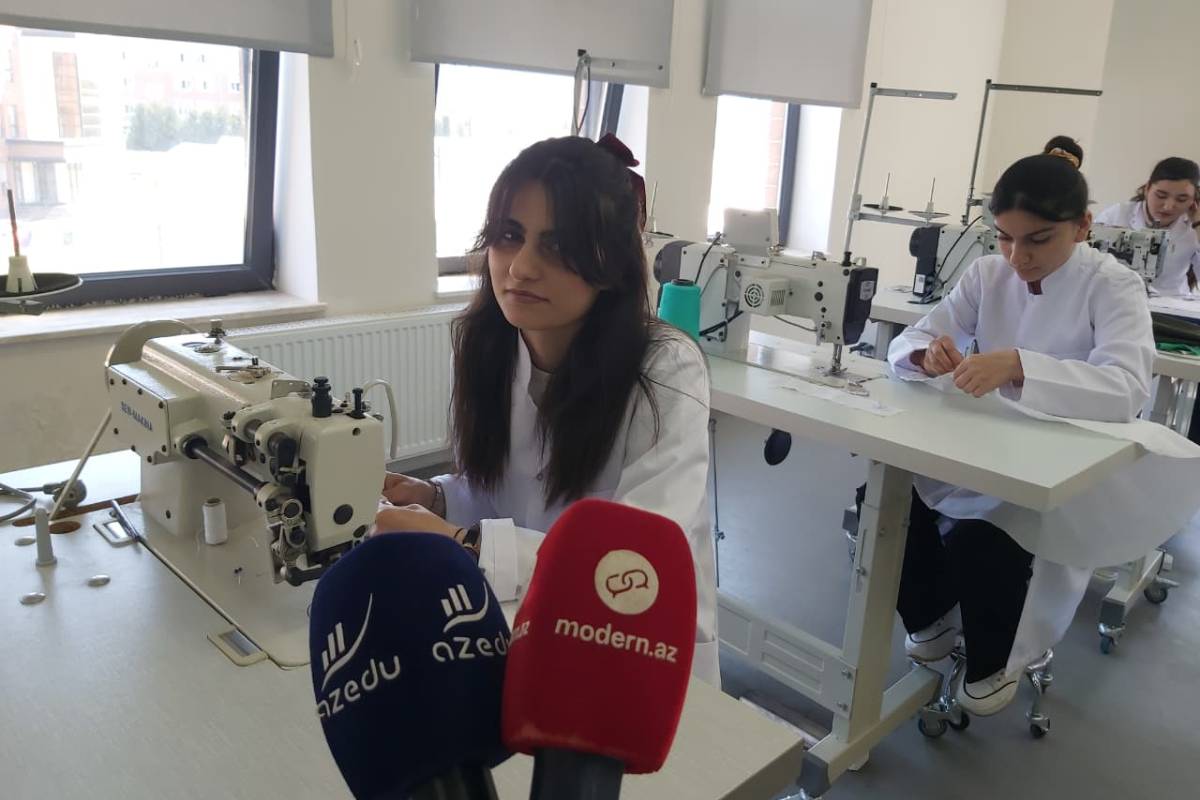
“After completing 11 years of school, I learned about this institution. The fact that it was a new building, meaning it met modern standards, frankly, attracted my attention more. I had always wanted to go into tailoring. Here, the teachers explain everything very well.
Currently, I am sewing an “oversize” shirt. First, we baste it, and then we sew it with a sewing machine. If additional decoration is needed, we use the machine located at the back. My main goal is to study here.
Afterwards, I want to build a personal career by opening a workshop.”
In her speech, both an interest in the profession and the concreteness of future plans are felt.
18-year-old Stella Huseynzade, on the other hand, evaluates this field from a broader perspective:
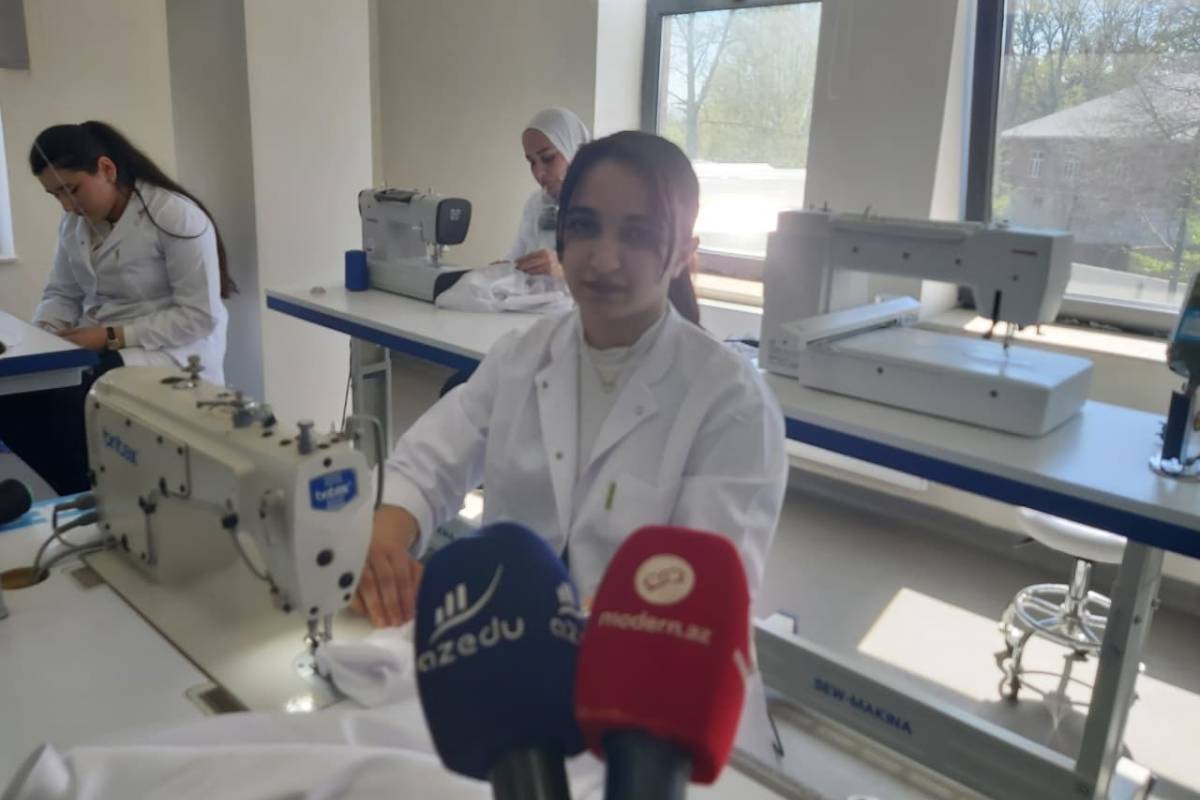
“Before coming to the vocational education center, I was studying in vocational classes. Later, at my father's request, I decided to prepare for a profession. I recommend everyone to come and study here. Being a tailor is very interesting in itself. Because fashion is updated every day.
I think it's very interesting for a person to sew their own clothes. I want to open my own workshop and continue my profession. My brother is also continuing his education in a vocational class. He is studying combi boilers and air conditioners. There is absolutely no need to be discouraged. I believe that no woman should be unemployed.”
Her thoughts also highlight the social and economic opportunities created by vocational education.
Statistics also confirm this
The statistics presented by Gultaj Rasulova, a representative of the State Agency for Vocational Education, clearly show an increase in interest:
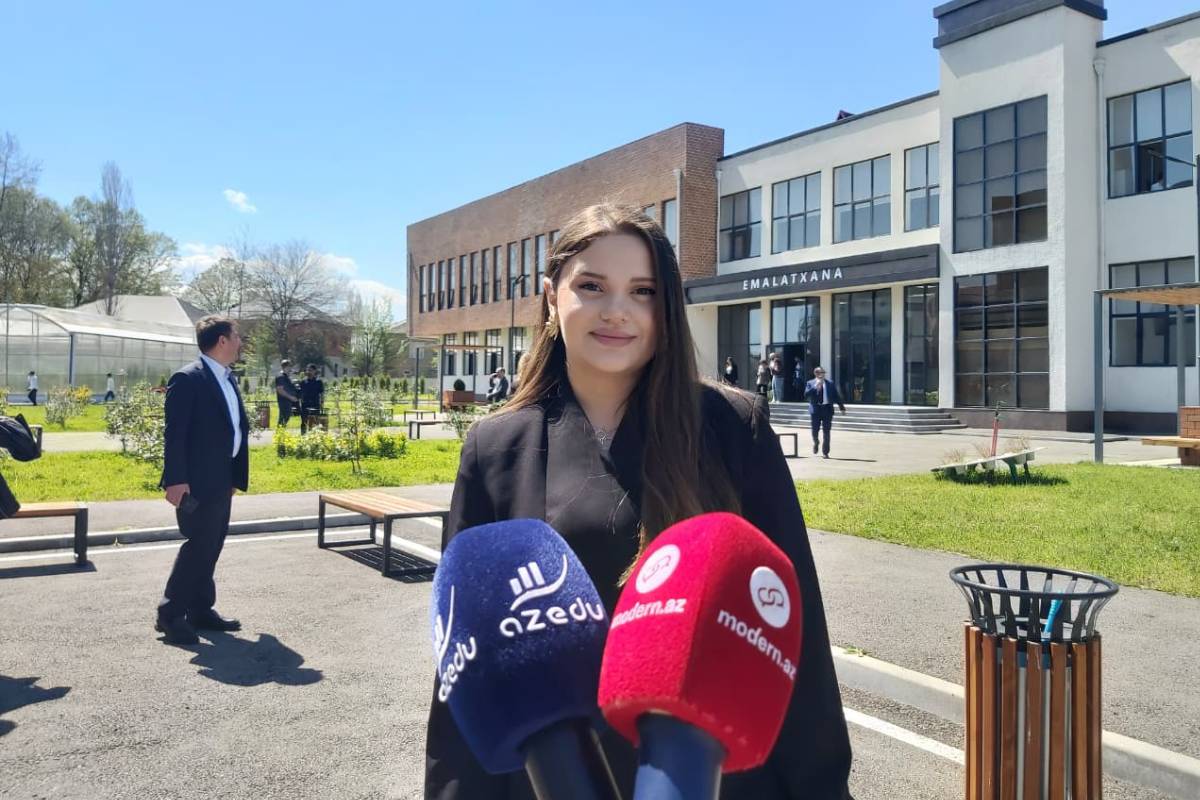
“The most frequently applied directions are those that create employment in the labor market. One of them is the designer specialty you visited recently. Approximately 500 people applied for admission to this specialty in 2025. Of these, 495 have been admitted and are currently studying.
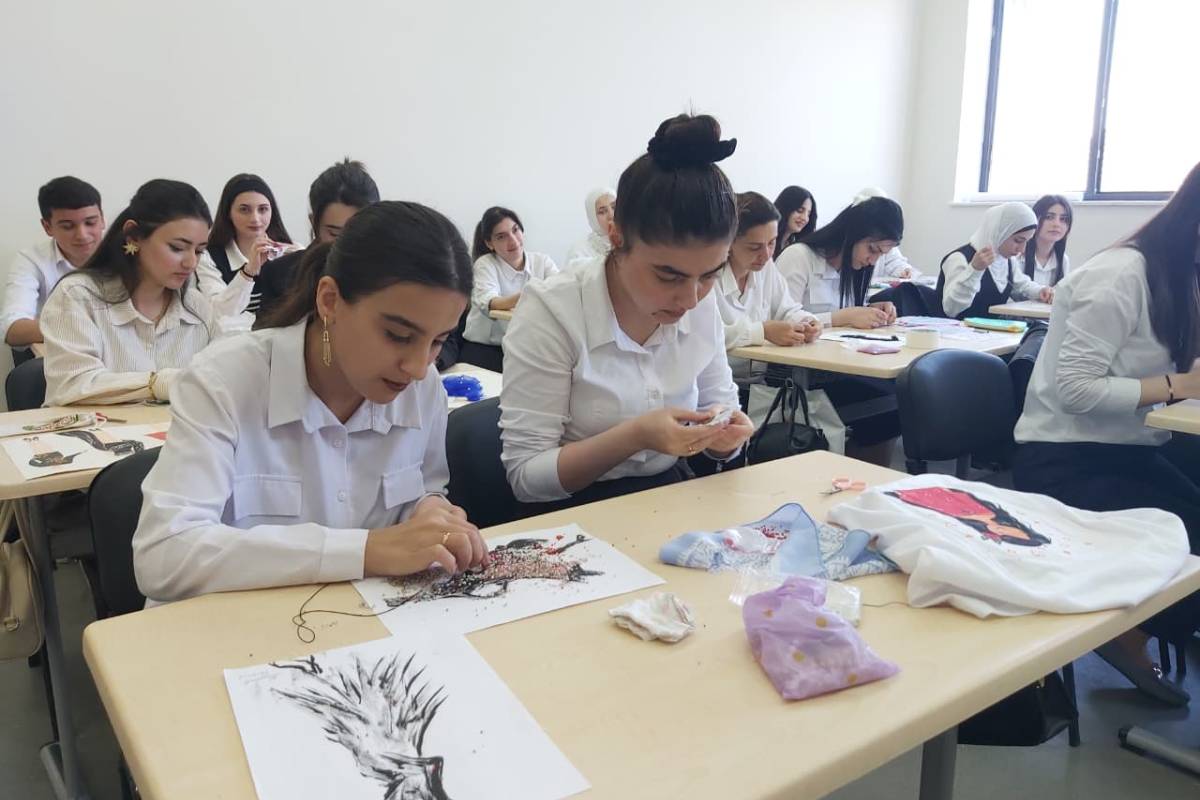
Among the applied specialties, service areas such as culinary arts, tailoring, hairdressing, etc., are more common. These specialties are flexible and create immediate employment.
This year, approximately 1829 students were admitted to the culinary arts specialty. I should also note that this is one of the most frequently applied specialties. Admissions are made from both 9-year education and full secondary education bases.
Overall, short-term programs account for approximately 58% of admissions (short-term programs meaning from 6 months to 1 year). This provides an opportunity to acquire education more quickly and adapt to the labor market sooner. Both girls and boys are prevalent in the institution. Women tend to apply more to traditional specialties.”
At the same time, the participation of women is also noteworthy:
“Women constitute 100% in childcare, 92% in microbiology, and 91% in fashion design. However, it can be said that in addition to traditional specialties, they also show interest in technical specialties.
For example, this year, women accounted for 60% of admissions to web designer and software developer specialties. This, in turn, suggests that women are represented not only in traditional specialties but also in technical and IT fields. This year, women make up more than 50% in approximately 40 specialties. In total, women are also represented in 127 specialties.”
This indicates that vocational education is now more balanced and inclusive from a gender perspective as well.
This infotour held in Lankaran once again proved that vocational education is no longer a “second choice.” With its modern infrastructure, practice-oriented teaching, and specialties aligned with the labor market, this field is becoming a real and promising path for young people.
The environment created here, the students' free and confident presentations, and the flexibility of teacher-student relationships clearly demonstrate one thing: vocational education is changing, and this change is already visible. What we saw at the Lankaran State Vocational Education Center confirms a simple truth: the education provided here is not just for a diploma, but for life.
Esmira Aliyeva
Baku-Lankaran-Baku