On April 10-12, a round table was organized within the framework of the "Peace Bridge" initiative with the participation of civil society representatives from Azerbaijan and Armenia. The round table participants met with Assistant to the President of Azerbaijan - Head of the Foreign Policy Affairs Department of the Presidential Administration Hikmet Hajiyev within the framework of meetings with state officials. Numerous questions from the Armenian representatives were answered for approximately two hours.
It is interesting to know what were the impressions of the parties regarding the meeting? Was any agreement reached on any issues?
In his statement to Modern.az, Farhad Mammadov, curator of the "Peace Bridge" initiative and director of the South Caucasus Research Center, stated that the Armenian delegation had the opportunity to see a number of regions of Azerbaijan up to Gabala:
"Within the framework of peace talks, the fourth meeting of the Azerbaijani and Armenian delegations was held in Gabala. The Armenian delegation entered our country from Gazakh. We traveled by bus through the Gazakh-Agstafa-Tovuz-Shamkir regions to Ganja city. From Ganja, we took the train to Gabala. This route allowed the Armenian delegation to fully see that part of Azerbaijan. The meeting had four sessions, the first two sessions were more political in nature. Since the processes taking place in the region and, most importantly, in the non-regional neighborhood seriously affect the South Caucasus, an exchange of views was held in this direction. In the next two sessions, the position of civil society regarding the peace process, the ideas expressed in the meetings of national forces that are members of the "Peace Bridge" initiative in their countries were conveyed to each other, and at the same time, proposals for future activities were put forward. A meeting was also held with Assistant to the President Hikmet Hajiyev. Almost everyone from the Armenian delegation addressed their questions to Hikmet Hajiyev. The meeting was held in a very sincere atmosphere. The peace process has just been formed, its frameworks have been defined. Whatever is possible within these frameworks is being implemented. This includes security issues, economic relations, and the degree of preparedness of societies for the peace agenda. Discussions were held around all these issues."
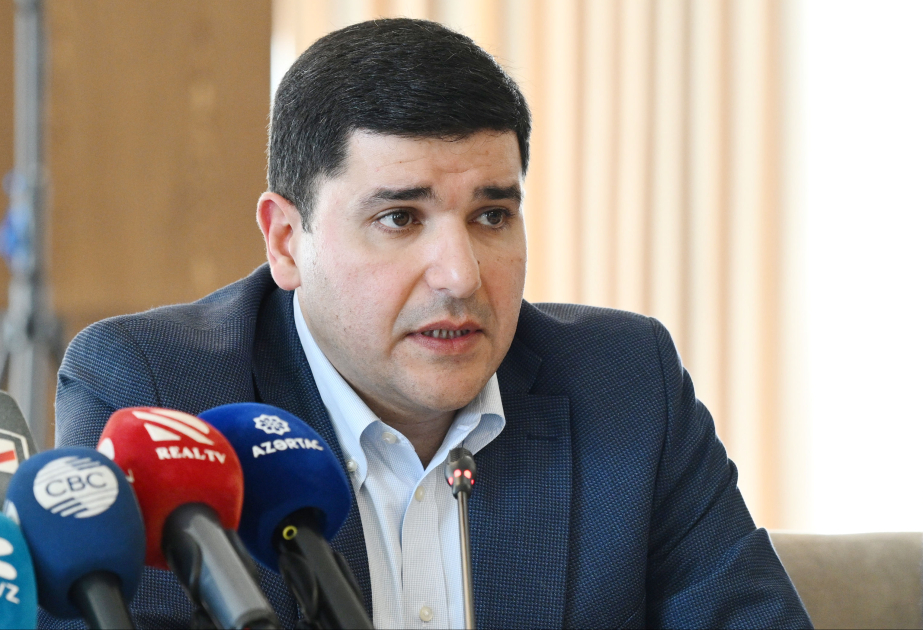
Farhad Mammadov emphasized that the main issue now is whether the government in Armenia will regain legitimacy:
"The Azerbaijani and Armenian governments were legitimate when the parties started the peace agenda. Both governments are still legitimate. However, the issue of whether this legitimacy will be reconfirmed in Armenia in the near future is currently relevant. Therefore, if we approach the peace process in stages, this stage will almost end in June. In June, the biggest challenge to the peace process will be the parliamentary elections in Armenia. After the elections, we can say with full certainty that the peace process will either stop and undergo transformation, or it will develop and gain new nuances."