On the eve of the 15th plenary session of TURKPA to be held in Bishkek, the priorities of inter-parliamentary cooperation among Turkic states and joint initiatives in the field of artificial intelligence come into focus. Azerbaijan's expectations from this platform cover regional security, transport-logistics connections, economic integration, and digital cooperation. The concrete results that inter-parliamentary cooperation can yield in these areas are a subject of discussion.
Speaking to Modern.az on the matter, Kamran Bayramov, a member of the Milli Majlis Committee on International Relations and Inter-parliamentary Relations, stated that the 15th plenary session of TURKPA to be held in Bishkek is of great importance for the development of parliamentary diplomacy and the strengthening of strategic partnership among Turkic states:
“The 15th plenary session of TURKPA to be held in Bishkek is considered an important historical stage in terms of ensuring that parliamentary diplomacy among the member countries of the Organization of Turkic States moves to a higher quality level, accelerating strategic partnership relations, and harmonizing legislative bases. For Azerbaijan, this esteemed platform means not only the continuation of multilateral parliamentary dialogue but, first and foremost, the resolute defense of national interests on the international stage, the advancement of priorities of exceptional importance in terms of regional security, economic integration, and the full potential operation of transport-logistics corridors. Baku's main strategic line defined at this meeting consists of strengthening the political and economic unity of the Turkic world, improving the legal and organizational foundations of the Middle Corridor, including the Zangazur corridor, harmonizing legislative initiatives on renewable energy projects, and forming a unified legal framework among the parliaments of brotherly states.”
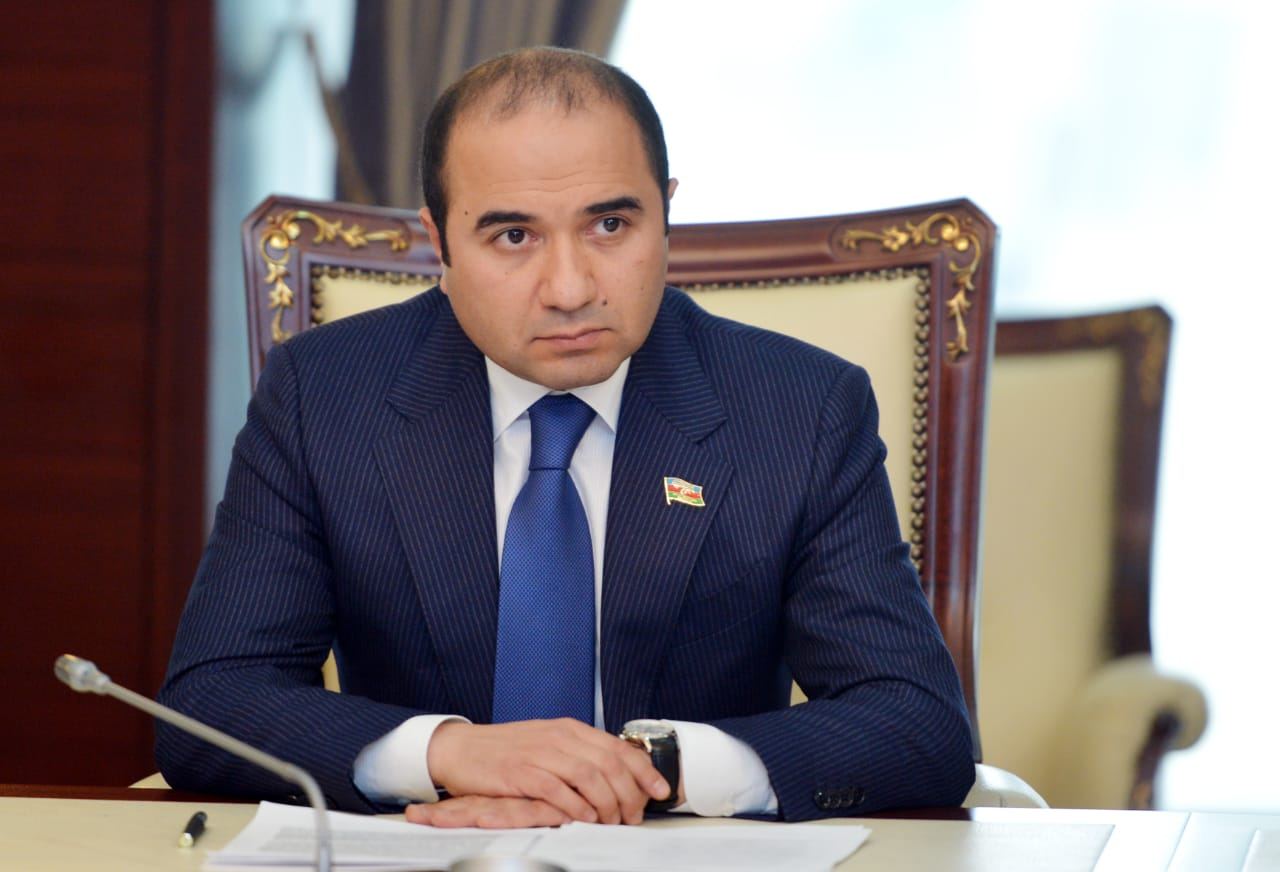
According to the deputy, another important direction of cooperation among Turkic states is related to digital transformation and the application of artificial intelligence technologies. He believes that forming joint approaches in this area is important both for protecting national security and for adapting legislation to modern challenges:
“In the modern era, the Turkic world acting as a unified power center in global geopolitical and geo-economic processes has become an inevitable necessity. In this regard, one of the main issues to be discussed at the Bishkek summit is the formation of a joint parliamentary strategy in the field of information security, digital transformation, and especially the application of artificial intelligence technologies. Inter-parliamentary cooperation in the field of artificial intelligence for TURKPA member states means not only sharing scientific and technical achievements but also protecting digital sovereignty, ensuring national security in cyberspace, and adapting legislative acts to the requirements of the digital age. Within this framework, one of the expected outcomes of the Bishkek meeting is taking steps towards the development of framework agreements or model draft laws that will form the legal basis of a unified digital space for Turkic states. Jointly defining ethical, legal, and security standards for artificial intelligence technologies, establishing unified protocols for the secure exchange of large volumes of data, and creating digital security mechanisms capable of resisting cyberattacks and disinformation campaigns are among the important practical results of inter-parliamentary cooperation.”
Kamran Bayramov noted that institutional cooperation in the field of artificial intelligence can also contribute to the digitalization of public administration and parliamentary activities. In his opinion, strengthening ties between scientific research centers, technoparks, and innovation institutions of Turkic states, as well as developing common legal rules in this area, is important:
“Institutional cooperation in the field of artificial intelligence also necessitates the establishment of joint platforms for the digitalization of public administration and parliamentary activities, automated analysis of legal acts, and the preparation of model legislative initiatives. The adoption of legal norms stimulating direct integration among scientific research centers, technoparks, and digital innovation hubs of the member countries of the Organization of Turkic States, the application of legislative concessions to involve young specialists and scientists in joint projects, and at the same time, the development of unified rules regulating the use of artificial intelligence systems in civil, economic, and legal relations can be the most important future-oriented digital success of the Bishkek meeting.”
The deputy added that Azerbaijan can contribute to the formation of a common innovation environment by sharing its digital governance and artificial intelligence experience with Turkic states. According to him, expanding cooperation within the framework of TURKPA creates new opportunities to strengthen the economic, political, and technological integration of Turkic states.