Understanding a lie is not as simple as looking at a person's face and determining whether they are telling the truth. Sometimes, a person who is lying can comfortably look you in the eye, speak calmly, and even appear to believe what they are saying. Conversely, someone telling the truth might avoid eye contact, change their voice, and move their hands restlessly due to excitement, fear, shyness, or pressure.
Therefore, to identify a lie, do not rely solely on a single gesture, facial expression, or behavior. Instead, pay attention to changes that deviate from the person's usual behavior, the content of their speech, the consistency of facts, and the combined manifestation of various signs.
The Main Truth Revealed by Scientific Research
One of the most important studies in this field is the meta-analysis conducted by psychologists Charles Bond and Bella DePaulo in 2006. The researchers analyzed the results of 206 studies and 24,483 participants. According to the findings, people can distinguish lies from truth with an average accuracy of only 54 percent without special training and additional tools. This means that human intuition is often not as reliable as we think.
Research by Professor Aldert Vrij of Portsmouth University and his colleagues also shows that focusing solely on p language is not sufficient for identifying lies. The modern approach recommends evaluating the content of speech, the consistency of responses, the person's cognitive load, and changes in their behavior together.

20 Signs of a Lying Person
Tries to defend themselves more than the truth. Instead of answering the essence of the question, they start to clear their name: “I am not that kind of person,” “You don't know my character,” “I would never do that.” Here, the focus shifts from the event to the person's character. This is not proof of a lie, but it can be a way to avoid answering.
Tries to convince excessively. Repeats an explanation that would be sufficient in a normal conversation at length. Overuses phrases like “Believe me,” “I promise,” “I swear.” DePaulo and colleagues' research notes that liars sometimes construct less convincing stories and appear tense.
Thinks unusually long before answering. There is a long pause before a simple question, and the answer seems to be pre-constructed. This could be an attempt to remember fabricated information, reconcile it with previous statements, and avoid contradictions. However, a difficult question and anxiety can also cause the same reaction.
Wants to control every detail. Determines the direction of the conversation, chooses which topic to discuss, and subtly indicates which questions they want to be asked. Because the more control they have, the less likely they are to encounter an unexpected question.
Reacts emotionally when a contradiction arises. An additional question asked calmly suddenly irritates them. They change the subject, get offended, and accuse the other party. This could be a reaction to feeling threatened, rather than the lie itself.
Presents themselves as overly flawless. When recounting an event, they portray themselves as someone who always makes the right decisions, never makes mistakes, and knows everything in advance. However, in reality, there are usually hesitations, small errors, forgotten details, and unexpected events.
Experiences mental strain to maintain their version of the story. Finds it difficult to connect the answer to one question with another. This is because they now have to remember not only the event but also the version they previously told. Aldert Vrij's research explores how lying can create additional cognitive load as an important area of study.
Focuses more on what others will think than on the event itself. Concerns like “What will people say?” and “What will they think of me?” come to the forefront. Here, the main goal may be to protect their social image rather than to explain the facts.
Shifts responsibility to others. Minimizes their role with phrases like “Everyone was doing it,” “I wasn't alone,” “They told me to,” “I had no other choice.” This behavior, along with lying, can also be a mechanism for avoiding responsibility and self-justification.
Presents information selectively. Recounts individual details that are true, but conceals the main point. Thus, while part of what they say is true, the overall picture creates a false impression. This, unlike an outright lie, is a manipulative selection of information.
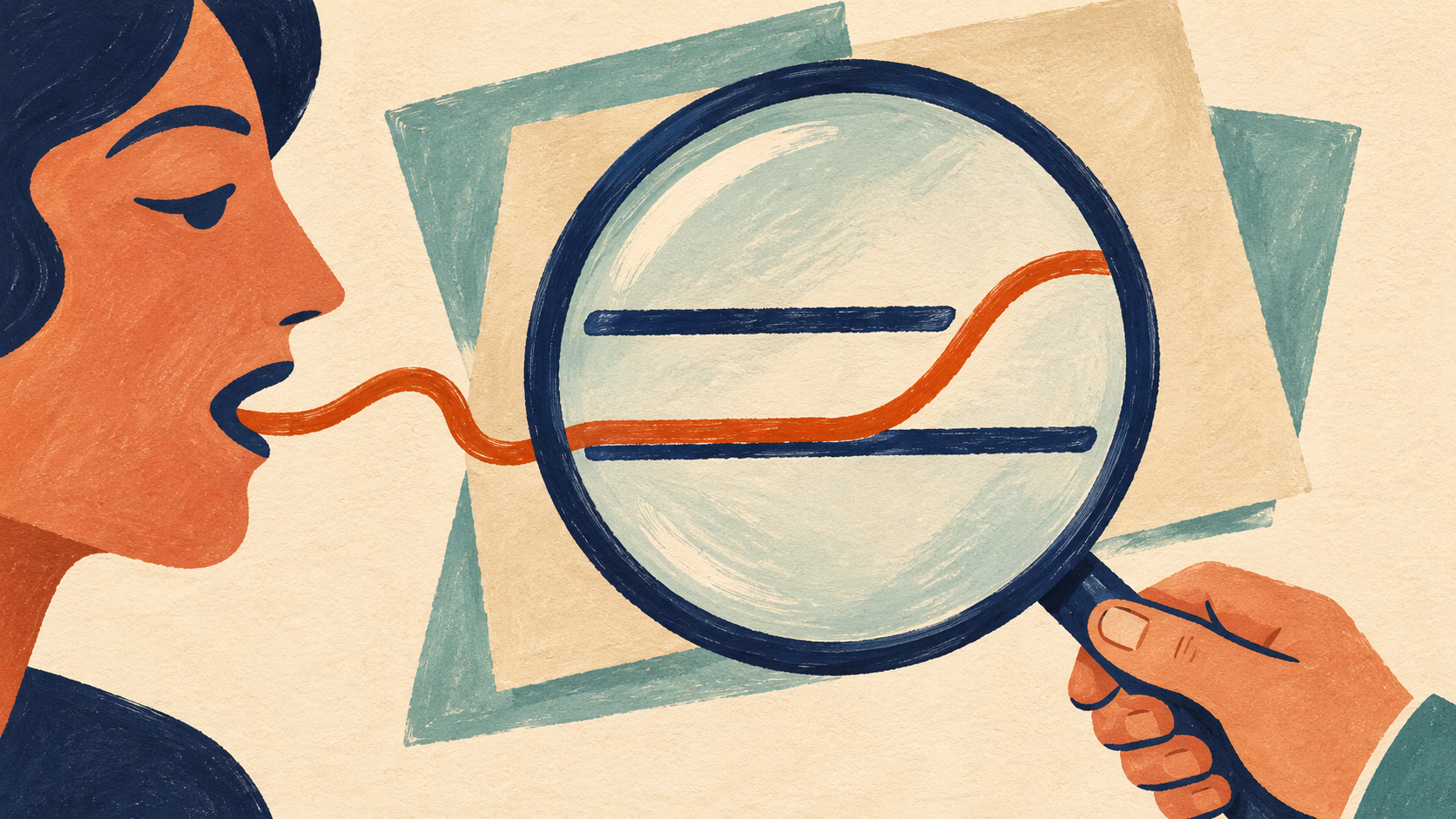
Tells the same event differently to different audiences. Presents one version to one person and another version to someone else. The main facts change, but each time a new explanation arises that suits the interests and position of the person they are talking to. Self-presentation and impression management in social relationships are concepts that help understand this behavior.
Refers to social witnesses who benefit them. Says “Everyone knows,” “Everyone is on my side,” “So-and-so will confirm it,” but does not provide concrete facts or verifiable information. This could be an attempt to strengthen the claim by using social influence.
Instead of answering the question, interrogates the other party. Distracts attention from themselves with questions like “Why are you asking this?” “Who did you hear it from?” “What have you done yourself?” The conversation shifts from investigating facts to discussing the questioner's intentions.
Normal eye contact behavior changes. While the person maintained comfortable eye contact in previous conversations, they may suddenly reduce it for a specific question or, conversely, artificially stare into your eyes for a long time. The main indicator is not avoiding eye contact, but deviating from their usual behavior. The FBI's scientific review emphasizes that eye contact is not a reliable indicator for identifying lies.
Hand and arm movements change. Gestures less than before when speaking, hides their hands, or restricts their movements. In some cases, conversely, they gesture excessively. This change may be related to mental tension, but personal temperament and the situation should also be considered.
Touches their own p more often. Frequently touches their face, neck, hair, lips, and hands. In psychology, such self-touching movements are sometimes associated with tension regulation.
Body tension arises. Clenches their shoulders, fists their hands, keeps their legs still, or changes their posture. This can be an indicator of anxiety and emotional pressure. But it does not determine that the person is lying.
Voice tone and speech rhythm change. Their voice becomes higher or lower than before, speech speed changes, and pauses between sentences increase. Studies have found indicators such as voice tone, response latency, and speech errors to be associated with lying.
Inconsistency appears between facial expression and the meaning they are speaking. For example, when a person recounts a sad event, no appropriate emotional expression appears on their face, or their expression does not change when talking about joy. Sometimes, a delay in emotional reaction or brief facial expression differences may be noticeable.
Behavior suddenly changes at a specific point in the question. A person who was relaxed at the beginning of the conversation falls silent, changes their p, lowers their voice, or reduces their gestures when a specific event, date, or person's name is mentioned. This is one of the signs that can be observed in terms of p language.
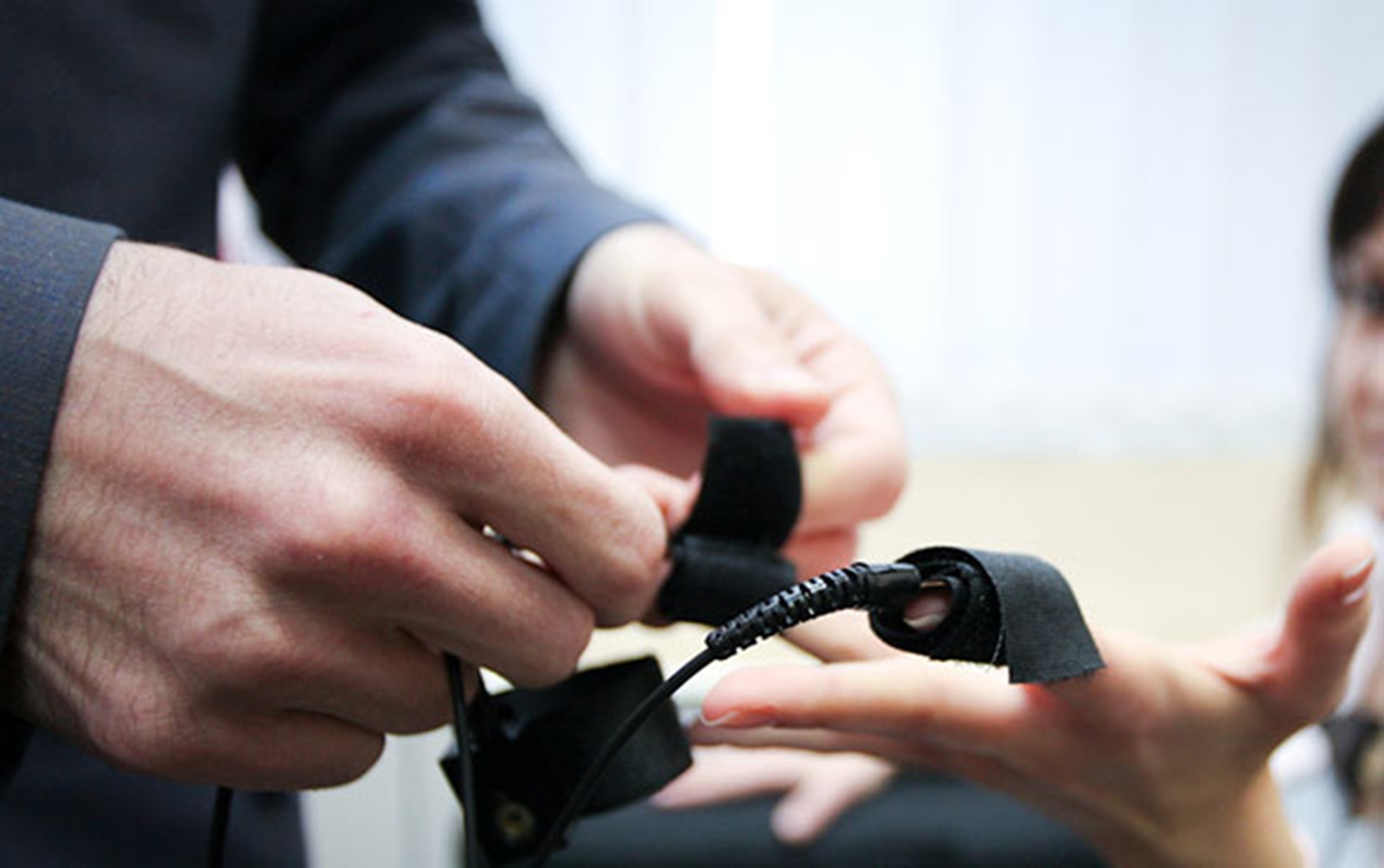
7 Practical Methods to Expose a Lie...
Here, observing signs is not the main focus; the most serious is verifying the information the person is speaking.
Ask an open question. Say, “What happened?” Do not start with questions that limit the answer in advance, such as “Did you do this?”
Ask them to recount the event in its own sequence. When the person speaks, the main events, participants, and chronological consistency should be carefully monitored.
Ask unexpected, specific questions. For example, questions like “Who arrived first at that meeting?” “Who was sitting where in the room?” “What happened after the conversation?” It can be difficult to maintain a prepared lie with such questions.
Ask them to recount the event in a different sequence. For example, from the last event to the first, rather than from beginning to end. This method has been studied in some research as an approach that increases the cognitive load of liars.
Ask the same question again after some time. Check whether the main facts have changed.
Compare what is said with independent facts. Dates, correspondence, documents, photographs, witness statements, and other verifiable information can be stronger evidence than p language.
Consider the person's usual behavior. Compare it with their normal way of speaking, gestures, tone of voice, and communication habits. In other words, compare the person primarily with themselves, not with others.
To hide a lie, a person may change their words and even control their behavior. However, it is impossible for them to control the consistency of the event they are speaking about with facts indefinitely.
Sevinc MƏHƏRRƏMOVA