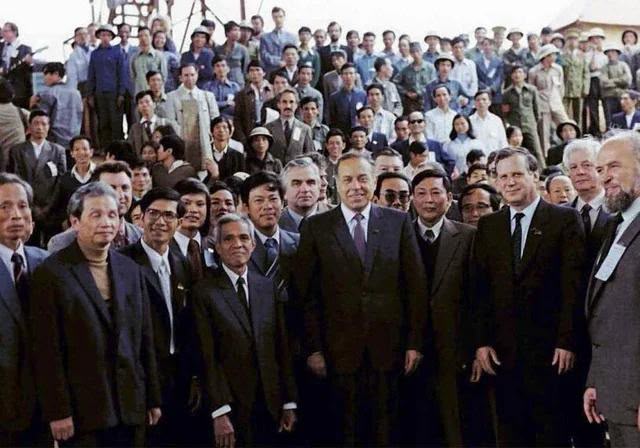
The history of friendship between Azerbaijan and Vietnam dates back decades. Two important historical visits underpin these relations. In 1959, Vietnamese leader Ho Chi Minh visited Baku, and in 1983, Heydar Aliyev visited Vietnam. These visits later significantly influenced the development of cooperation between the two nations in education, science, economy, and culture.
However, there is another aspect of Azerbaijan-Vietnam relations that remains outside the official history. These ties have also affected people's personal lives, friendships, and family relations over the years. The stories of Vietnamese people who studied, worked, and formed friendships and family ties in Azerbaijan are still not widely known to the public.
Modern.az has tried to find an answer to the question of where the friendly relations between these two nations began.
What traces have these relations, with a history of more than half a century, left on human destinies? Where are the Vietnamese who married in Azerbaijan and their children now? Are there families with Azerbaijani roots in Vietnam?
Friendship that began with Ho Chi Minh's visit to Baku
From July 21-23, 1959, President Ho Chi Minh of the Democratic Republic of Vietnam visited Baku as part of his trip to the Soviet Union. The Vietnamese leader's arrival in the Azerbaijani capital became a significant event in the history of relations between the two nations.
While in Baku, Ho Chi Minh familiarized himself with Azerbaijan's oil industry. At that time, Azerbaijan was one of the main oil centers of the Soviet Union. The experience gained in offshore oil production was of particular interest to Vietnam.
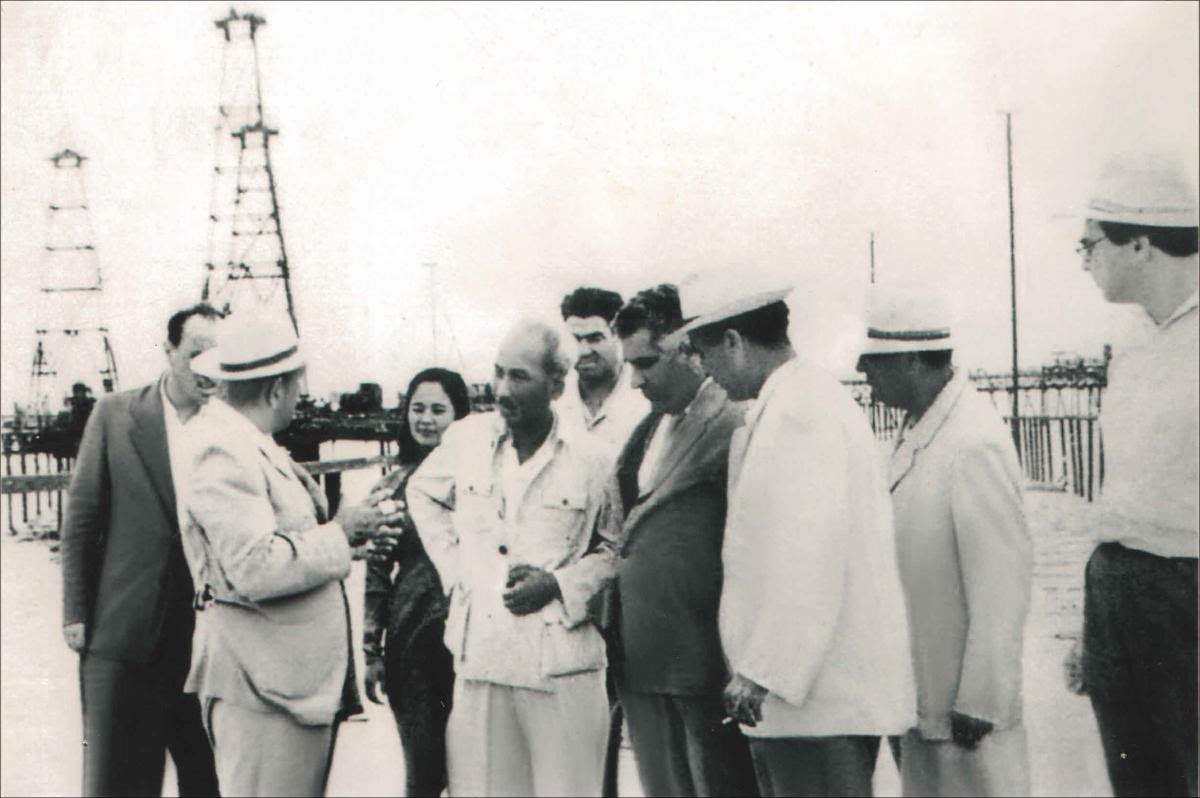
After this visit, a foundation was laid for the development of cooperation between the two countries in the oil industry, specialist training, and other fields.
Starting from 1960, Vietnamese students began to come to Azerbaijan for education. Some of them studied at Baku State University, while others attended various higher education institutions and technical education establishments.
Thus, for the Vietnamese who came to Baku, Azerbaijan became not just a country where they received an education, but a place where an important stage of their lives unfolded.
Heydar Aliyev's visit to Vietnam and a new stage
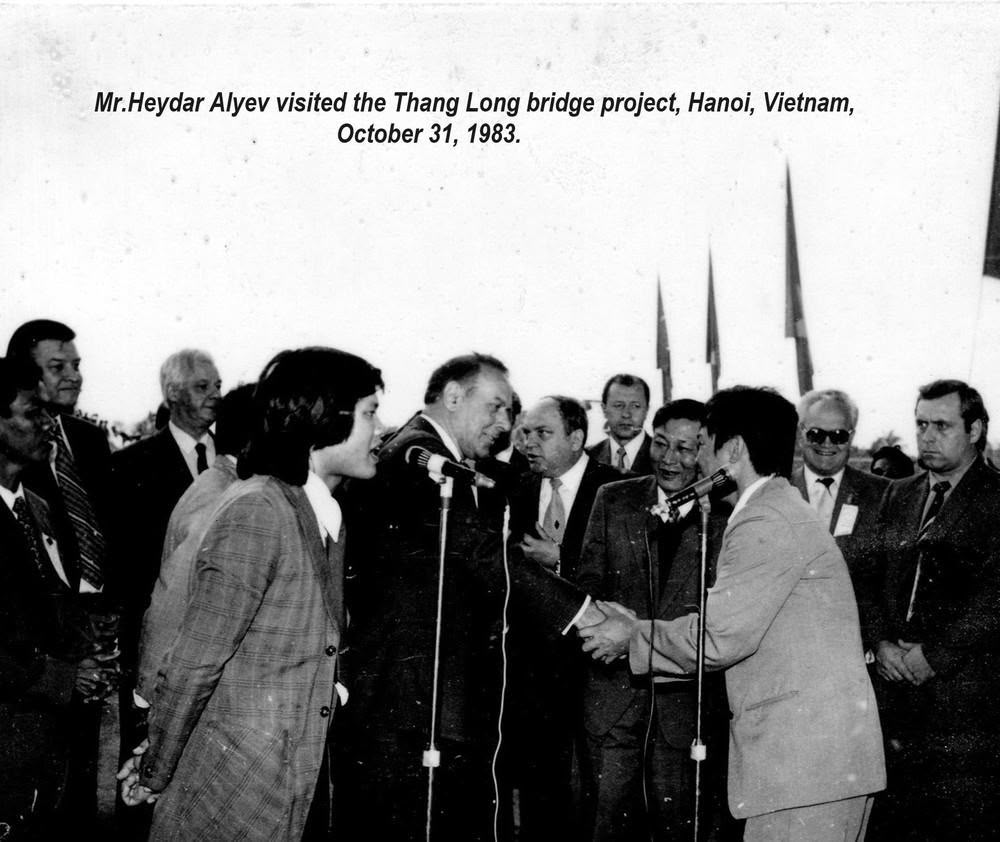
In 1983, Heydar Aliyev, while serving as the First Deputy Chairman of the Council of Ministers of the USSR, visited Vietnam as the head of a Soviet delegation.
This visit is considered one of the important stages in the development of relations between the two countries. Issues of Vietnam's post-war reconstruction, economic development, oil and gas industry, and cooperation in other fields were at the center of attention.
It is reported that after Heydar Aliyev's visit to Vietnam, cooperation in the education of Vietnamese students in Azerbaijan expanded.
 One of the interesting aspects of Azerbaijan's historical ties with Vietnam is that these relations were not limited to negotiations at the state level. Over the years, thousands of young Vietnamese lived, studied, and interacted with local people in Baku and other cities of Azerbaijan.
5,000 Vietnamese who studied in Baku - Who are among them?
One of the most notable directions of Azerbaijan's relations with Vietnam is cooperation in the field of education.
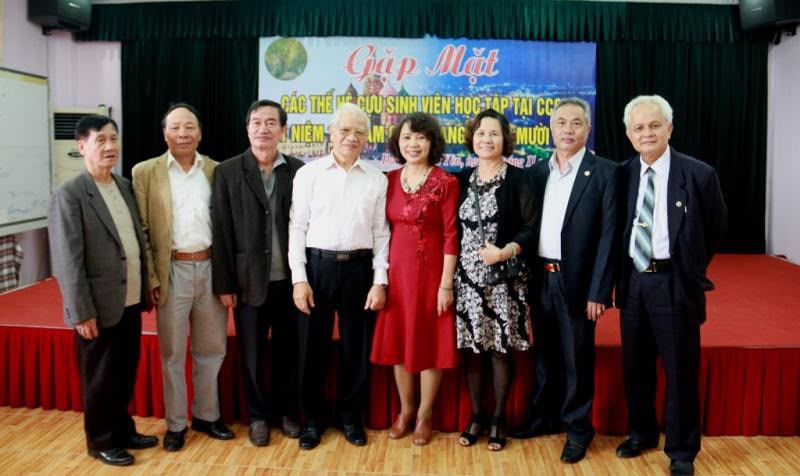
At various times, approximately 5,000 Vietnamese studied in higher and other educational institutions of Azerbaijan. Among them were individuals who later held important positions in Vietnam's state administration, parliament, science, and education.
On November 20, 2026, Nghiem Vu Khai, Honorary President of the Vietnam-Azerbaijan Friendship Association, speaking about this, stated that some of the Vietnamese who studied in Azerbaijan later rose to high government positions.
According to him, one of these graduates became the Deputy Prime Minister of Vietnam, and another became the Deputy Chairman of the National Assembly. Approximately 15 people were elected as members of parliament, while others served as deputy ministers, heads of research institutions, and universities.
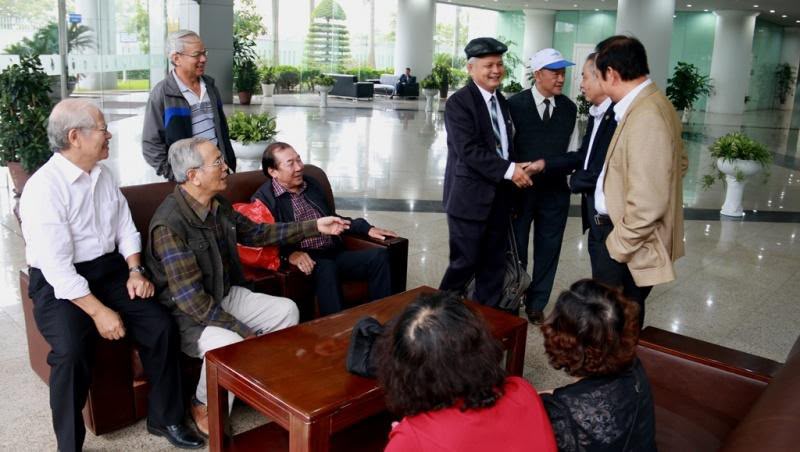
Nghiem Vu Khai himself, who once studied in Baku, came to Azerbaijan in 1970, studied at Baku State University, and returned to Vietnam in 1976.
His memories show that the lives of Vietnamese students studying in Azerbaijan at that time were not limited to auditoriums and universities. Students still remember the attitude they received from local teachers, fellow students, and Baku residents.
On May 19, 2014, President Ilham Aliyev's meeting with Vietnamese who had studied in Azerbaijan in Hanoi was also one of the events demonstrating the continuity of these relations. Hundreds of former students participated in the meeting.
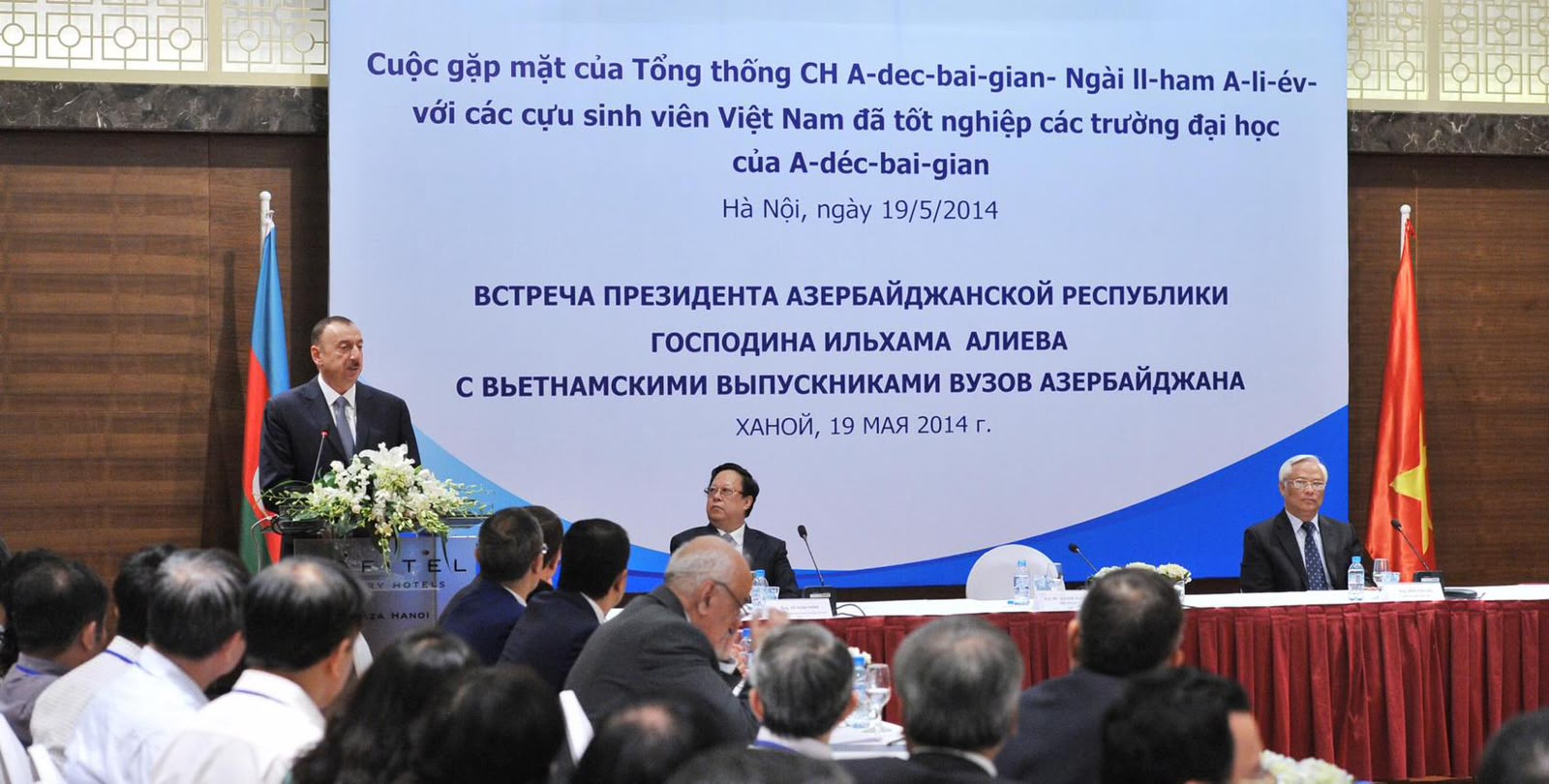
At that meeting, the President emphasized that the foundation of friendship between Azerbaijan and Vietnam was laid by people who once studied and lived in Azerbaijan and preserved their memories of this country.
An invisible bridge connecting two countries
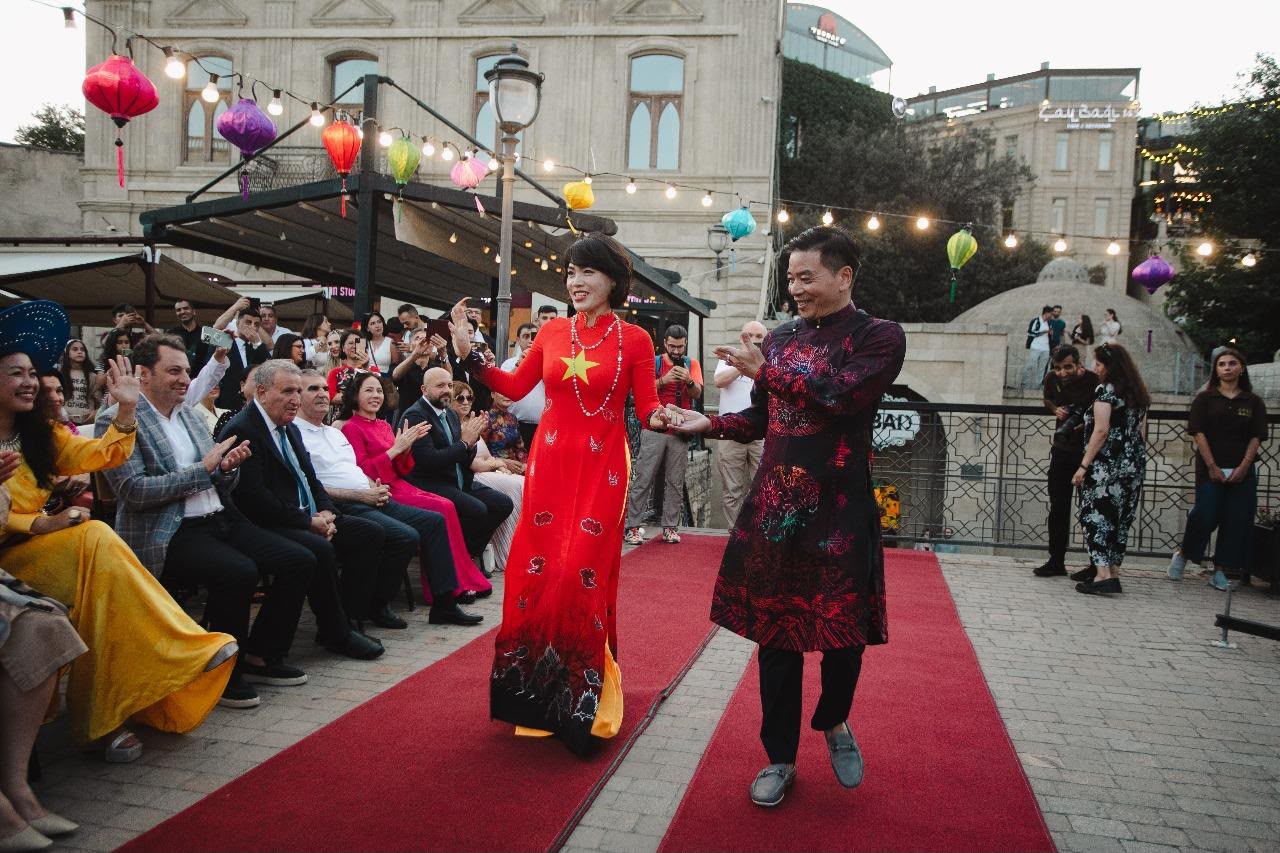
Diplomatic relations between Azerbaijan and Vietnam were established in 1992. In subsequent years, cooperation continued in political, economic, energy, and humanitarian fields. The establishment of a strategic partnership between the two countries in 2025 indicated that relations had entered a new stage.
However, a longer history lies behind these relations. Ho Chi Minh's visit to Baku in 1959, Heydar Aliyev's meetings in Vietnam in 1983, thousands of Vietnamese who studied in Azerbaijan, and Azerbaijani specialists working in Vietnam are different pages of this history.
Perhaps the most interesting of those pages has not yet been written. Because family stories, old photographs, and personal memories that show how the friendship established between states continues in people's lives are still waiting to be uncovered.
The history connecting Azerbaijan and Vietnam is not only in archival documents and protocols of official meetings. This history perhaps lives in the home of a Vietnamese who married in Baku, in the memories of a child growing up with Azerbaijani songs in Vietnam, and in the memory of a former student who promised his friends when leaving Baku half a century ago.