May 17, 2026, 11:58 AM…
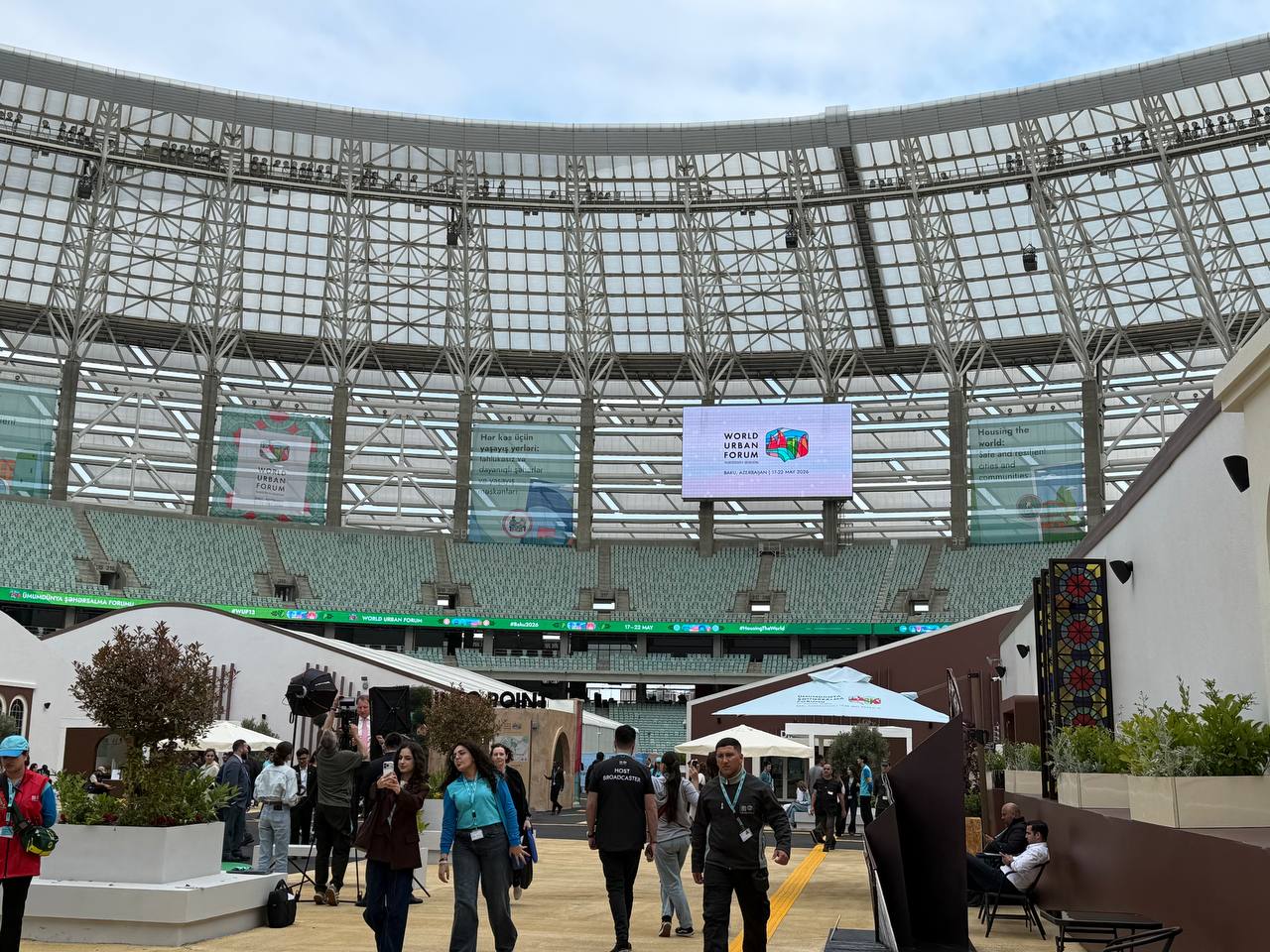
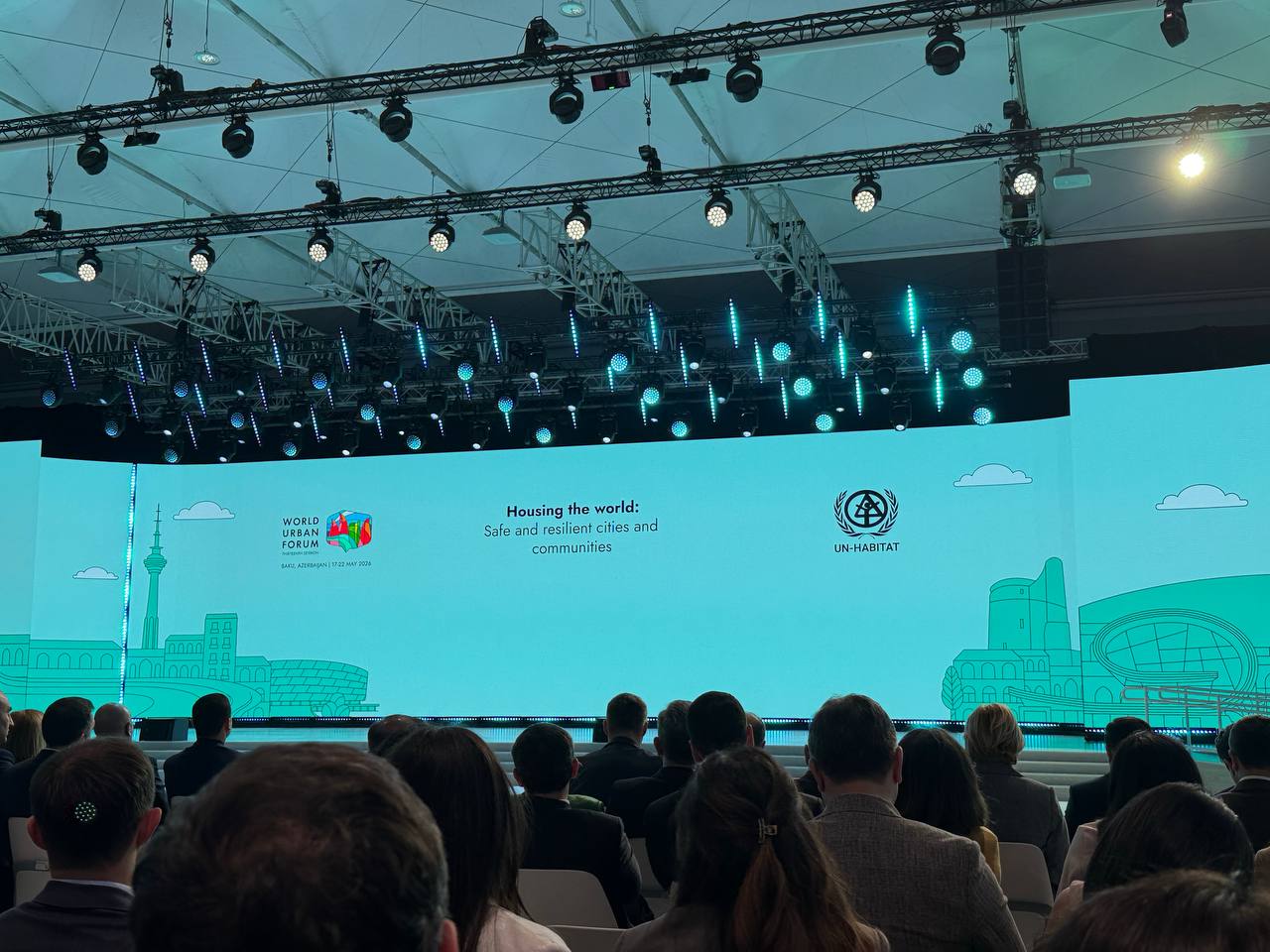
Although Baku started the morning with a rainy day, a great deal of movement and activity was felt in the city. Participants, journalists, experts, and volunteers from various countries around the world were heading towards the venue of the 13th session of the World Urban Forum - WUF13 - the Baku Olympic Stadium.
When I arrived at the Baku Olympic Stadium by buses allocated for the comfortable travel of participants, one of the first things that caught my attention was the volunteers. From the early hours of the morning, they stood at the entrance, greeting people with a smile, giving directions, and trying to establish sincere communication. From the first day of the forum until the last, the same sincerity was felt in their attitude, and the same smile on their faces.
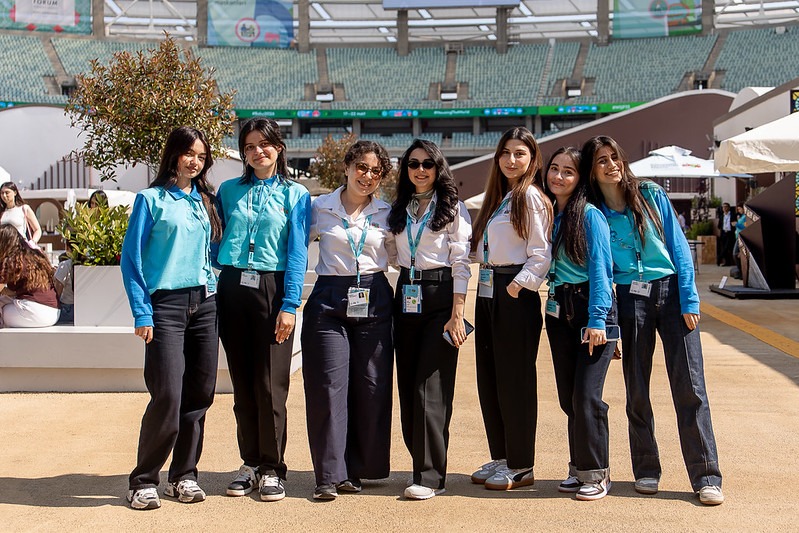
Their enthusiasm in saying “welcome” every morning and “goodbye,” “see you tomorrow” at the end of the day was another world. I'm not even talking about their efforts and enthusiasm to communicate with foreign guests and help them... You know, each of them was young. But despite their youth, they communicated with foreign guests at such a professional level that they seemed like experienced staff and specialists of many years. Seeing Azerbaijani youth so talented, communicative, and hospitable created a sense of pride and honor in people.
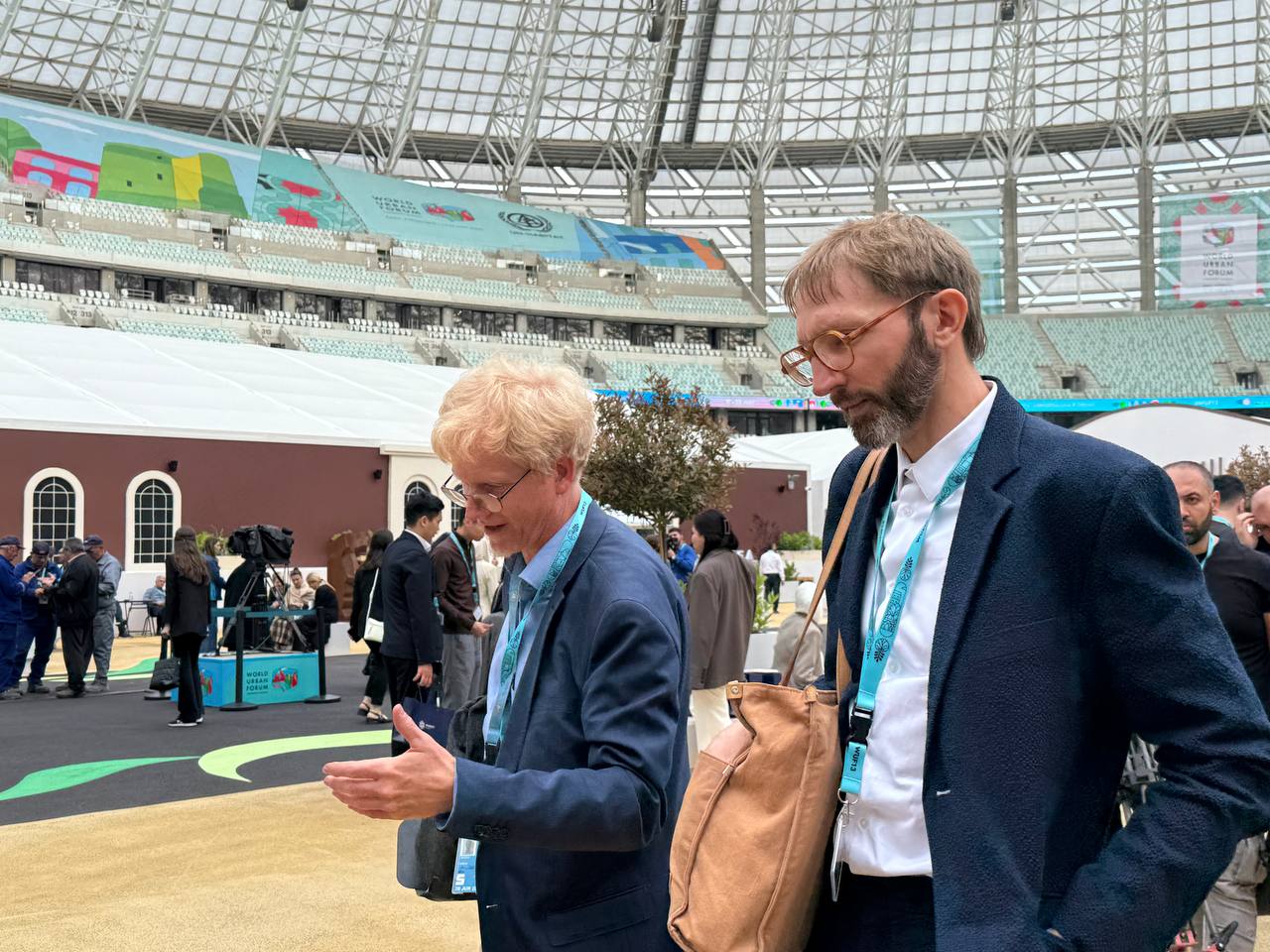
After entering, the main work process of the forum began. Journalists preparing for live broadcasts with microphones in hand, media representatives preparing stories, and television teams from various countries were almost constantly active. MediaHub had become one of the main gathering places for journalists. Among them were colleagues I hadn't seen for a long time. The forum also became a platform for closer communication for media representatives. I am sure that everyone gained new acquaintances and friendships thanks to this forum, hundreds of panel sessions, as well as round tables.
In this room allocated for media representatives, interesting and interactive discussions were held between both local and foreign media representatives. Which panel was more important, which speeches would create an agenda, and the events to be held during the day were discussed. I would say that the general atmosphere here was built more on solidarity than on information competition.
Although the program of the first day was not very extensive, the official flag-raising ceremony of Azerbaijan and the UN was held in the afternoon. The rainy weather did not hinder the progress of the forum and its work; on the contrary, the interest of local and foreign guests and the number of participants clearly demonstrated the importance of the event once again.
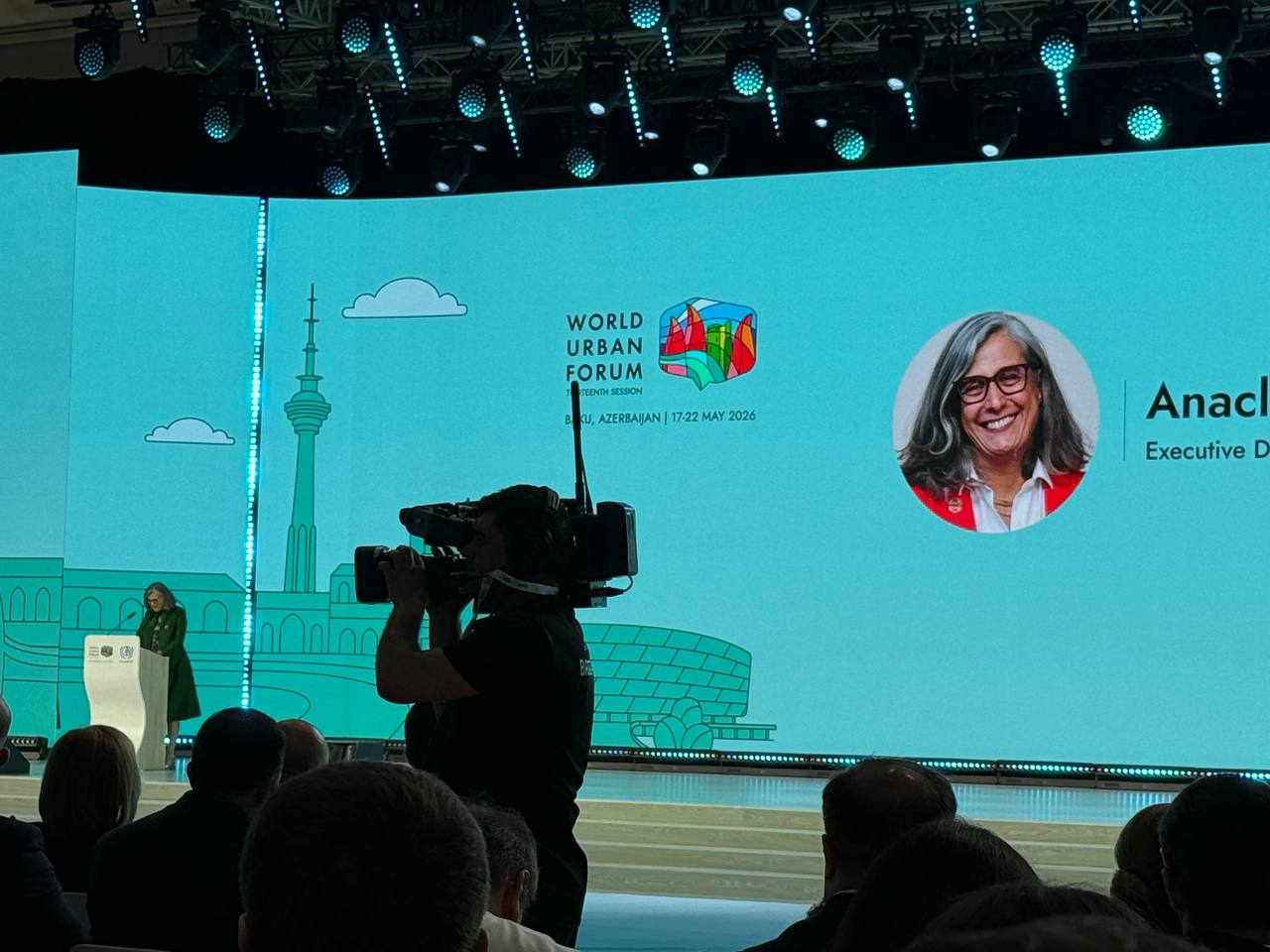
 In the following days, the forum continued more intensively. On the second day of WUF13, a Leaders' Summit, ministerial meetings, and civil society and women's assemblies were also organized. The forum had already turned into a large international platform, not just an event consisting of panel discussions.
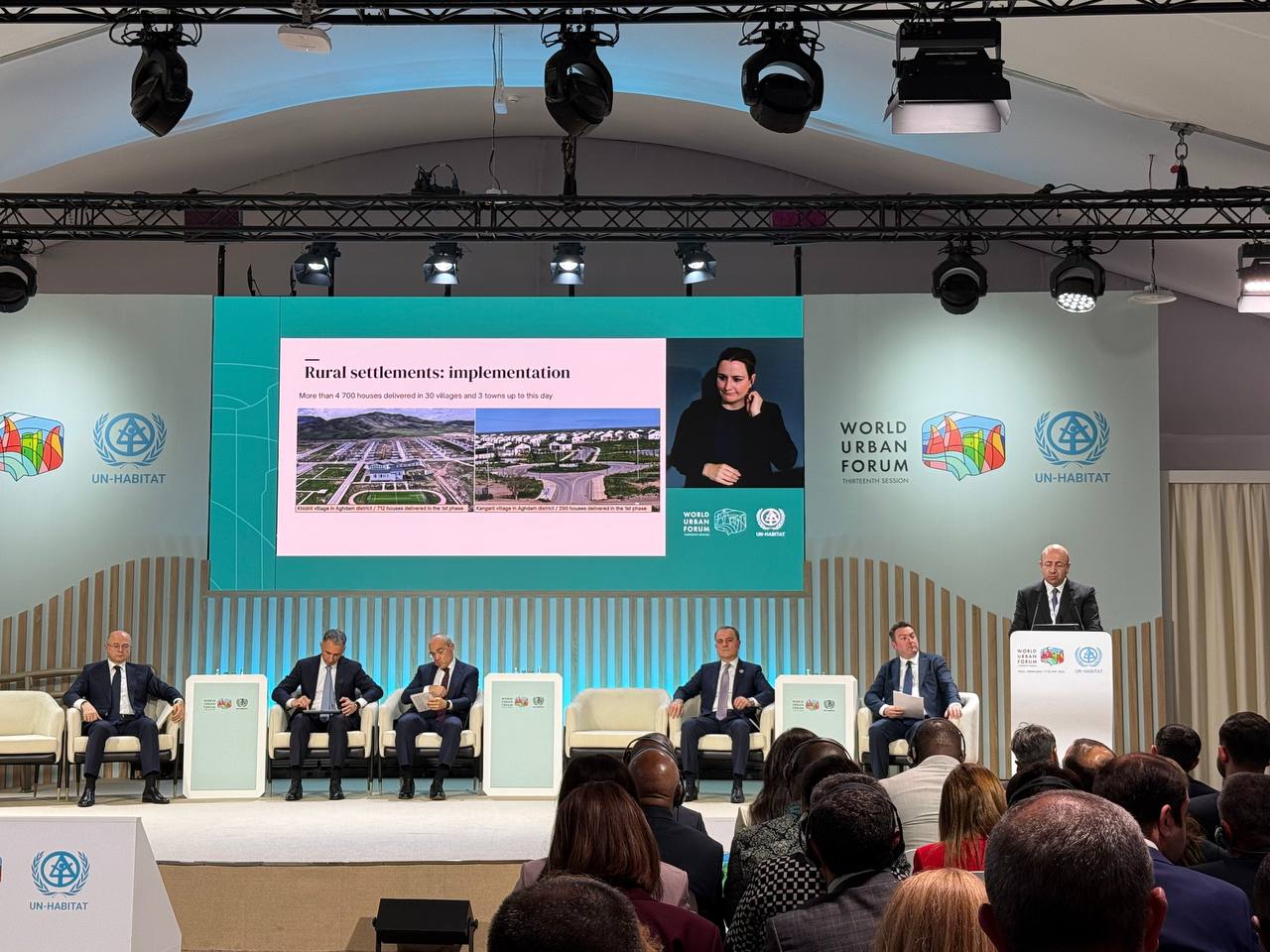
Topics such as the global housing crisis, building safe and inclusive cities, climate change, sustainable urbanization, and the application of new technologies in urban governance were discussed in various sessions. Hundreds of panels, round tables, and high-level meetings were held in parallel. The main discussions revolved around the global housing crisis, building safe cities, climate change-resilient urbanization, and social equality.
Representatives from various countries talked about the problems they faced in their cities and shared solutions. In particular, the issue of “housing for all” was one of the most frequently touched upon topics of the forum.
 One of the notable events on the third day of the forum was the signing of a memorandum on twinning between the cities of Shusha and Trabzon. This event was one of the most discussed issues within the framework of the forum. Because the frequent bringing up of Shusha in the events and discussions within the forum was always met with interest by the participants.
 The exhibition area held within the framework of the forum was one of the most interesting places. The Azerbaijani pavilion, in particular, attracted attention. Here, restoration and construction works carried out in Karabakh, Eastern Zangazur, Lachin, and Kalbajar were presented, and various important events took place. Future projects, urban plans, and completed works were displayed through special tables and presentations.
 The fourth day of the forum was marked by sessions on urbanization, climate change, and sustainable urban development. Throughout the day, smart cities, green urbanization, ecological sustainability of cities, and future governance models were discussed. One of the ideas frequently voiced in the panel discussions was the importance of building the future of cities not only with infrastructure but also with a human-centered approach. Of course, the innovative urban planning approach implemented by Azerbaijan in Karabakh and Eastern Zangazur and the large-scale works carried out in this direction by foreign representatives aroused special appreciation and interest.
 Another notable point in the pavilions at the “Urban Expo” exhibition was the special presentation of various elements of Azerbaijani culture at the event venue. National costume samples, carpet weaving art, and historical decorative elements were displayed in the pavilions, and these corners attracted the special interest of foreign guests.
Especially men's and women's clothing reflecting Lahic, Nakhchivan, and various regions of Azerbaijan from the 19th century were met with great interest by the forum participants. Clothes decorated with national ornaments, ancient jewelry elements, and carpet samples demonstrated Azerbaijan's rich cultural heritage. Throughout the day, it was often possible to see foreign guests standing in front of these pavilions, taking pictures, and getting acquainted with the information presented.
 Young people participating in national costumes at the forum venue also attracted special attention. They both added color to the general atmosphere of the event and presented Azerbaijan's culture live to foreign participants. Many foreign guests took pictures with young people in national costumes and were interested in the history and meaning of the clothes.
The design of the pavilions also showed a synthesis of urban planning and national architectural elements. The patterns used on the walls, decorative passages, and the structure of the exhibition corners were prepared in accordance with the general concept of the forum.
On the last day of the forum, a different atmosphere was already felt. Journalists, who had worked tirelessly for six days, prepared their final reports, and volunteers greeted the participants for the last time.
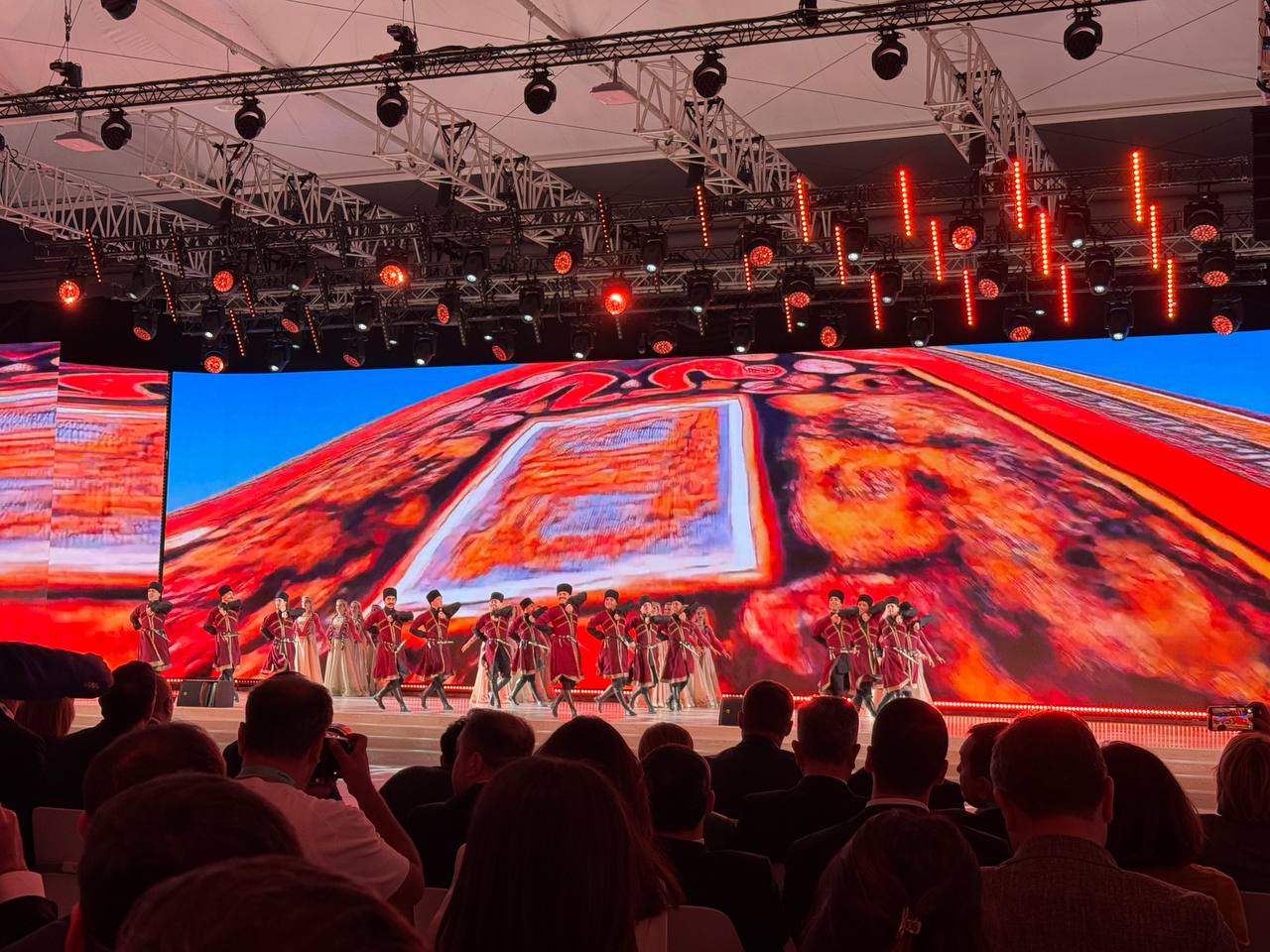
 ...finally, the official closing ceremony of the six-day forum arrived. At the closing ceremony, national music characteristic of Azerbaijan's rich culture was played, and dance numbers were presented. Foreign guests watched the performances reflecting Azerbaijani culture with interest. “Bayatı-Şiraz,” which was heard in Shusha, on Jidir Plain, was listened to live before a large audience at an internationally significant event this time.
WUF13 turned Baku into a meeting point for thousands of people from various countries around the world for six days. Throughout the forum, important discussions were held on the future of cities, housing issues, urbanization, and sustainable development. In addition, the event demonstrated Azerbaijan's capabilities to host a global forum, its invaluable urban planning experience, and rich culture to the international community.