In recent days, discussions on Azerbaijan-Turkey relations have once again come to the fore in some political and public circles in Turkey. This was caused by the Turkish delegation leaving the hall during the speech of Israeli Prime Minister Benjamin Netanyahu at the 81st session of the UN General Assembly, while Azerbaijan was represented at the level of a military attaché and followed the meeting.
Various claims were made on social networks based on Azerbaijan's position, which led to artificial discussions around the relations between the two countries. The impact of the said campaign on Azerbaijan-Turkey relations and the possible goals behind it have also become a topic of discussion on the Turkish political agenda.
Modern.az learned the position of political parties in Turkey on this issue.
Shamil Ayrım, a deputy from the ruling Justice and Development Party of the Grand National Assembly of Turkey and chairman of the Turkey-Azerbaijan Friendship Group, told our website that they are aware of the intention of some groups to disrupt Azerbaijan-Turkey relations:
"Some groups want to disrupt Azerbaijan-Turkey relations. We are also aware of this. However, no one can easily disrupt Azerbaijan-Turkey relations. Of course, the relations between the two heads of state, the love of the Turkish people for Azerbaijan will never diminish."
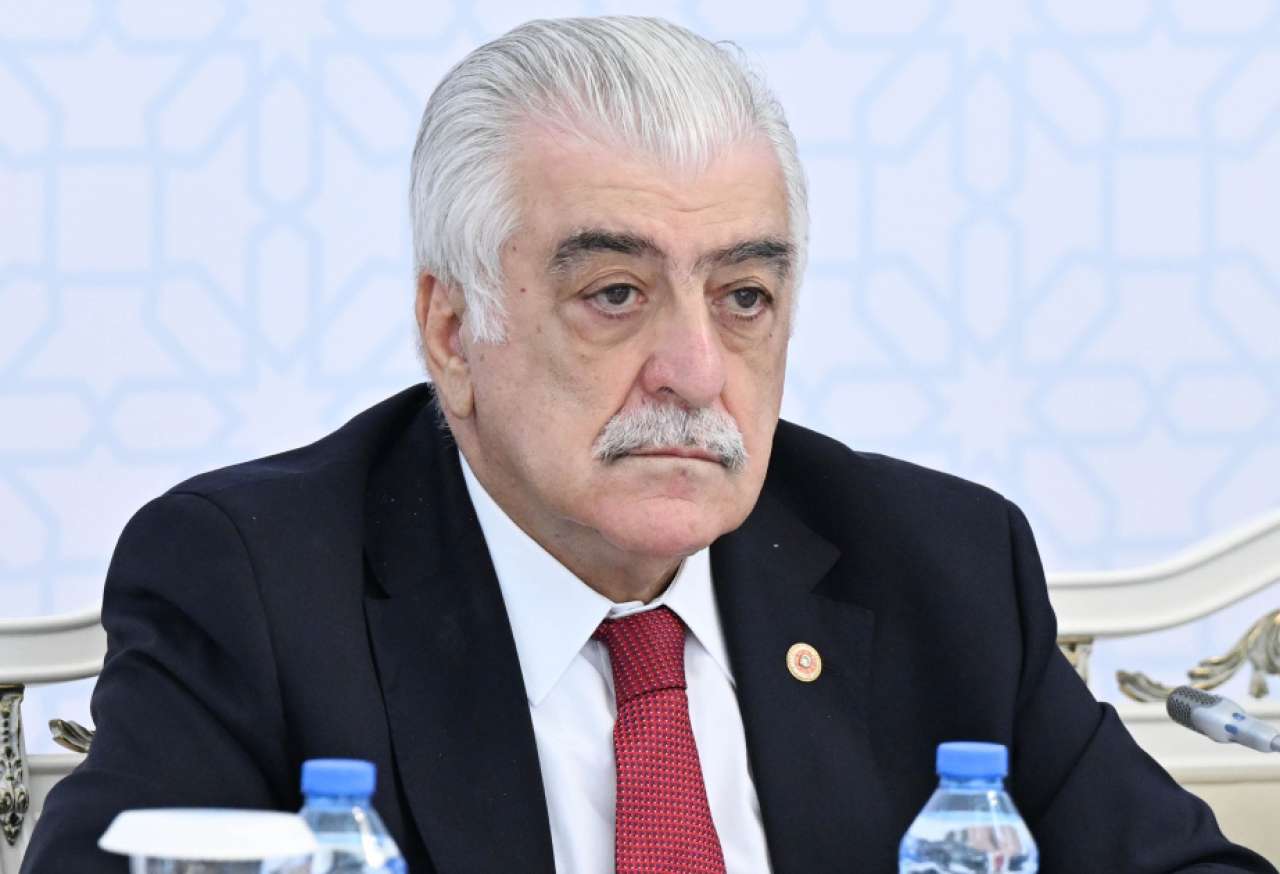
Sh. Ayrım emphasized that they are doing everything necessary to prevent the disruption of Azerbaijan and Turkey relations:
"Our struggle in this direction continues. These days are temporary. From time to time, some circles want to disrupt relations. However, this has no official counterpart. It is necessary to remember President Recep Tayyip Erdoğan's call to Mr. Ilham Aliyev on September 27, Remembrance Day. Everyone should be sure that Azerbaijan-Turkey relations will strengthen and continue dynamically as before."
Eylem Ertuğurul, a deputy from the Republican People's Party (CHP) of the Turkish Grand National Assembly, stated that the artificially heated discussions on social networks around the Turkish delegation leaving the hall during the speech of Israeli Prime Minister Benjamin Netanyahu at the UN General Assembly and the Azerbaijani representative remaining in place are a typical example of an organized disinformation wave targeting relations between the two countries.
According to him, the goals behind such information manipulations and their possible effects on the strategic relations between the two countries can be evaluated in several directions:
"Turkey-Azerbaijan relations, which gained official alliance status with the Shusha Declaration, and the integration process within the framework of the Organization of Turkic States have significantly changed the regional balance of power. Regional and global actors, concerned about this consolidation of power, are trying to weaken this partnership by creating distrust in societies, which they could not prevent through direct military or diplomatic means. Like every sovereign state, Turkey and Azerbaijan have various contact channels and priorities with third countries - Iran, Russia, Israel, and Western states - taking into account their geopolitical positions and national interests. Presenting a diplomatic procedure such as Azerbaijan following the meeting in the UN hall with a low-ranking attaché as 'turning its back on brotherhood' is intended to damage the existing emotional solidarity between the two peoples."
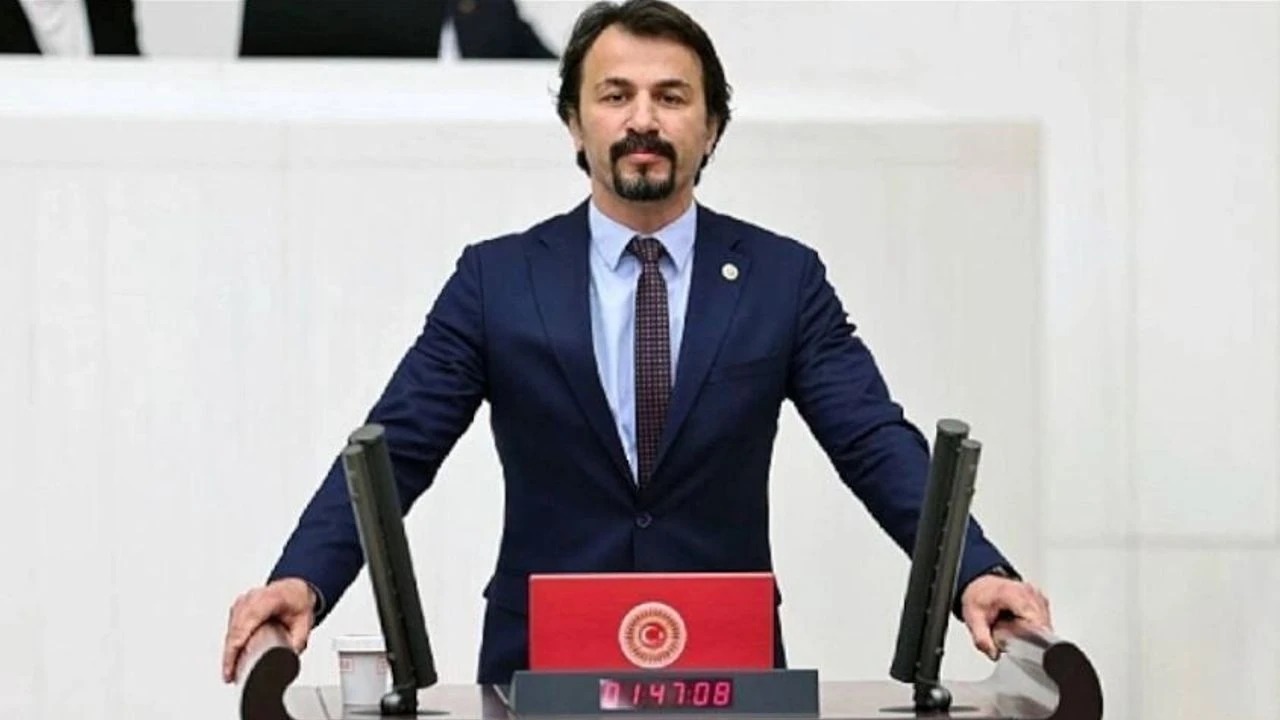
The Turkish deputy said that these circles aim to limit strategic projects:
"The implementation of strategic energy projects such as the Zangezur corridor, the Middle Corridor passing through the Caspian Sea, and TANAP/TAP depends on the common will and cooperation of the two countries. The aim is to weaken the pace of these strategic projects by creating an atmosphere of pressure and distrust in societies, and to limit the maneuverability of decision-makers through public pressure. However, the impact of these planned disinformation campaigns at the state and decision-maker level is almost non-existent."
E. Ertuğurul noted that Turkey-Azerbaijan relations are not built on social media algorithms or periodic polemics:
"These relations develop based on a common military doctrine, integration in the defense industry, mutual security obligations, including the Shusha Declaration and institutional mechanisms. Ankara and Baku do not allow such crises to overshadow real geopolitical interests. The discussions heated on social networks over the Turkish delegation leaving the hall during the speech of Israeli Prime Minister Benjamin Netanyahu at the UN General Assembly and the Azerbaijani representative remaining in place are a typical example of organized disinformation waves targeting relations between the two countries. In international relations, states listen to each other's positions. Even representatives of states with serious disagreements can follow each other's speeches. Because one of the important functions of diplomacy is to obtain information and analyze political positions. A state representative remaining in the hall does not mean that that state accepts all the policies of the speaking country. By the same logic, leaving the hall does not automatically mean that all problems are solved."
According to the deputy, one of the most sensitive points of relations is the