From Baku's warning to Ankara's clear stance, the responses to the smear campaign on social networks are an important stage in the defense of brotherhood. However, the issue should not end with statements alone. Azerbaijan and Turkey must create a common, legal, and institutional mechanism against coordinated information attacks targeting these relations.
What was happening before the statements?
For almost a month, biased posts, baseless claims, and smear attempts against Azerbaijan have been discussed in Turkey's social media space. The opinions shared by individual accounts spread to a wider audience over time, and doubts about the relations between the two brotherly countries turned into disputes aimed at confusing public opinion.
The Azerbaijani side officially protested the issue: the temporary commission of the Milli Majlis against foreign interventions and hybrid threats commented on the issue.
Then the Media and Broadcasting Council issued a statement. In Turkey, the Center for Combating Disinformation, operating under the Department of Public Relations of the Presidential Administration, announced its position. Kürşad Zorlu, Deputy Chairman of Turkey's ruling Justice and Development Party (AK Party) and Head of Relations with Turkic States, also commented on this issue.

All statements emphasized the unacceptability of such actions.
Thus, an official position was put forward by both sides against the campaign targeting Azerbaijan-Turkey relations. Of course, this is important. However, the matter does not end there. Because it is not just about words written by someone against someone on social networks. The topic is the strategic alliance of two states, the spiritual connection of millions of people, and the political future extending from the South Caucasus to Central Asia. The strongest answer given to those who oppose the Azerbaijan-Turkey brotherhood is to protect the trust of the two peoples in each other and to strengthen this trust with legal and institutional guarantees.
How does information manipulation work?
Information warfare has one characteristic: it does not always start with open hostility. Sometimes it enters the minds of society through an ordinary question, an image taken out of context, an emotional headline, or an account that presents itself as neutral.
First, a person's attention is drawn. Then their emotions are activated. Then that emotion is used to draw conclusions about relationships.
After a while, the initial reason for the discussion is forgotten, and the dispute itself becomes the agenda. People forget the facts and start discussing their feelings towards each other.
This was precisely the dangerous side of the social media tension observed between Azerbaijan and Turkey in recent weeks.
The issue was not to evaluate criticism and dissatisfaction as hostility. Azerbaijan and Turkey are two sovereign states. Their citizens can think differently on various issues, criticize government decisions, and object to each other in public discussions. The health of relations is not measured by all opinions being the same.
However, the unchecked dissemination of facts, the manipulation of public opinion by fake accounts, the transformation of national identity into an object of insult, and the deliberate creation of hostility between the two peoples are completely different matters.
There is a boundary between criticism and defamation. Criticism is based on facts, while defamation replaces facts with doubt.
One can discuss the policy of a state. Targeting a nation as a whole is far from the culture of discussion.
What did the Milli Majlis commission announce?
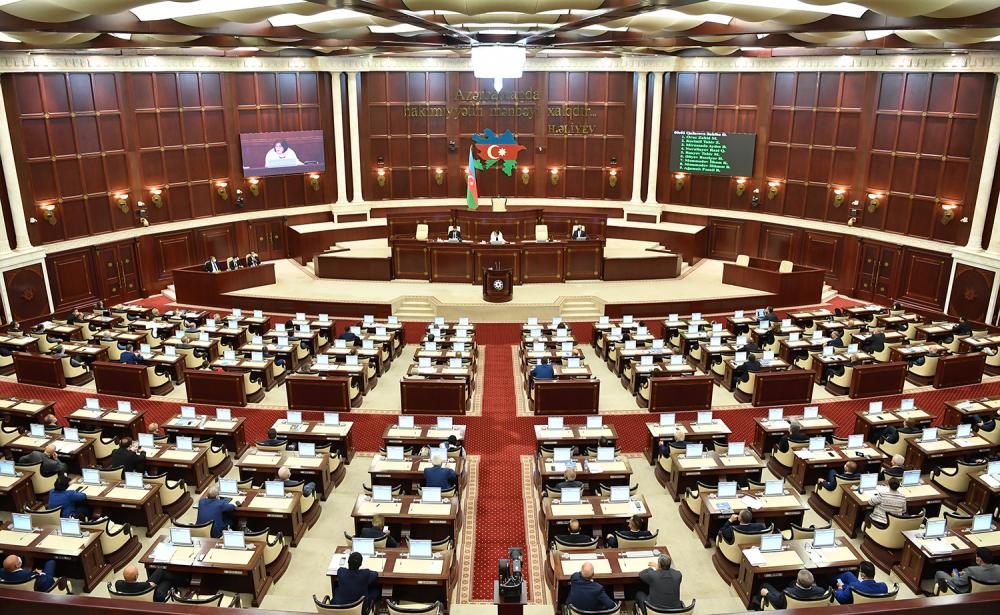
On September 26, the temporary commission of the Milli Majlis of the Republic of Azerbaijan against foreign interventions and hybrid threats announced that it had investigated the information campaign carried out against Azerbaijan through social media platforms from the territory of Turkey within its powers.
The commission's statement noted that the campaign was initiated by certain centers, and its purpose was to target Azerbaijan-Turkey friendship, brotherhood, and alliance relations, as well as to confuse public opinion, create distrust in the state and its institutions among citizens, and deepen polarization in society.
One of the more important points was related to the method of conducting the campaign. According to the commission, the posts were disseminated in a coordinated manner through targeted advertisements, real and fake social media accounts.
The commission also announced that information about the participants of the campaign would be submitted to the relevant state bodies of Azerbaijan. At the same time, it called on the Azerbaijani and Turkish societies not to believe fake information.
The political meaning of this statement is clear. The Azerbaijani side evaluated what happened not as an emotional dispute between individual users, but as a coordinated information activity that needed to be investigated.
However, an important principle must also be protected here. The identity of the campaign organizers, the affiliation of specific accounts to which centers, and possible foreign connections must be determined based on evidence. This approach does not weaken, but rather strengthens the position of the Azerbaijani state. Because the side defending the truth must also adhere to the accuracy of the facts.
Media and Broadcasting Council's warning
On September 26, the Media and Broadcasting Council also issued a statement regarding the posts disseminated in Turkey's media space, especially on social networks.
The Council expressed its concern about the widespread nature of baseless claims aimed at harming Azerbaijan-Turkey brotherhood relations and creating a negative perception of these relations in public opinion.
The statement noted that such posts were not random initiatives of individuals, but part of a purposeful campaign carried out on the basis of certain coordination and a unified approach. The Council drew attention to the fact that these activities could be contrary to the requirements of Turkish legislation.
There was also a more specific point. The Azerbaijani side did not rule out the possibility of considering restricting the entry of the campaign organizers and executors into the country. It would be very wrong to interpret this statement as an expression of dissatisfaction. In fact, behind the statement was the discussion of possible legal and administrative measures. After all, the work of states is not limited to refuting false information. Protecting a reliable information environment is also important.

What did Ankara say? Why is Turkey's official position important?
On October 9, the Center for Combating Disinformation (Dezenformasyonla Mücadele Merkezi — DMM), operating under the Department of Public Relations of the Turkish Presidential Administration, issued a statement regarding posts targeting Azerbaijan-Turkey relations.
The center's information stated that biased and purposeful materials targeting the strong ties, strategic alliance, and the principle of "One nation, two states" between the two countries were identified in some international media outlets and social networks.
DMM evaluated such posts as information manipulation aimed at harming the deep-rooted relations between the two friendly and brotherly countries and disrupting regional peace and stability.
The statement emphasized that Turkey and Azerbaijan continue their relations, built on common history, culture, and unbreakable brotherhood, in all areas. The public was also called upon not to believe materials intended for psychological warfare and to consider only the statements of official bodies.
This position is important. Because the Turkish side did not present the issue only as dissatisfaction directed against Azerbaijan. It clearly emphasized that one of the targets of disinformation was the strategic alliance between the two countries and regional stability.
In other words, Ankara sent a message that attempts to manipulate public opinion about Azerbaijan-Turkey relations cannot change the essence of the relations.
Kürşad Zorlu: “No provocation will achieve its goal”
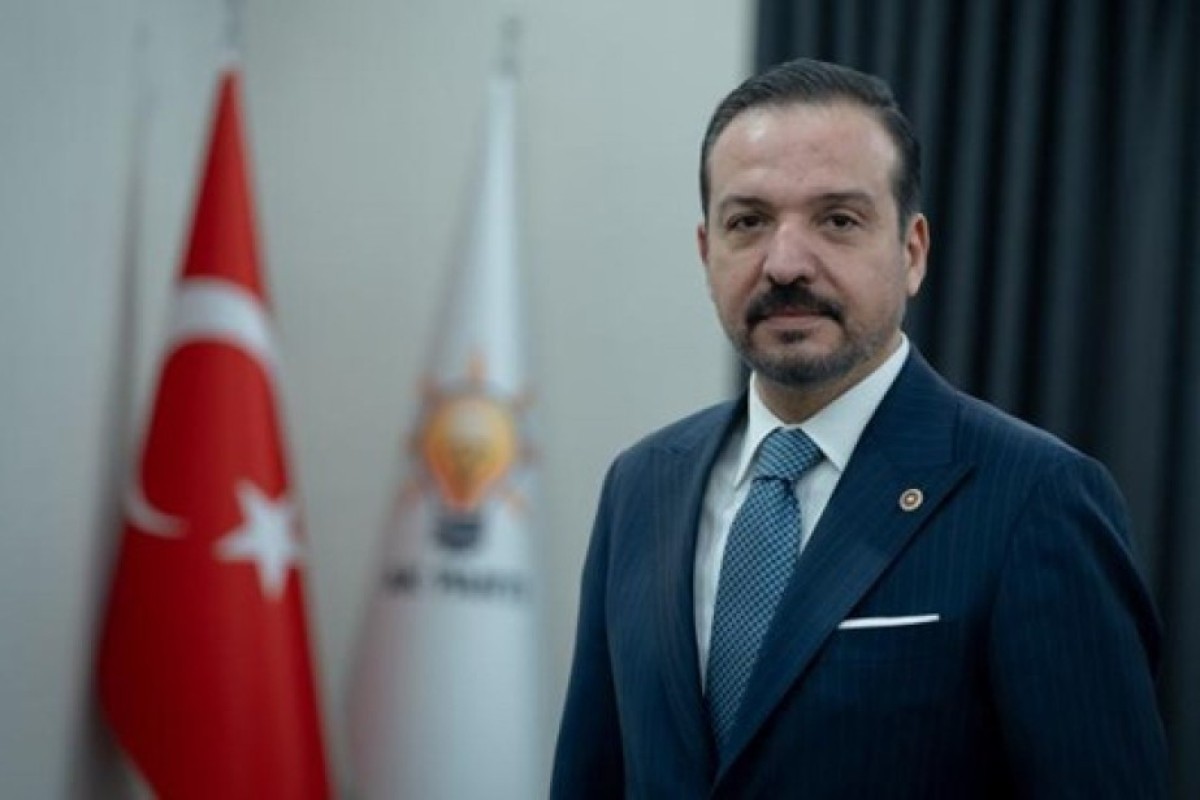
On October 10, Kürşad Zorlu, Deputy Chairman of Turkey's ruling Justice and Development Party and Head of Relations with Turkic States, also expressed his concern about posts aimed at weakening Azerbaijan-Turkey relations.
Zorlu stated that common values and cultural ties expressing the unity of the Turkic world form the basis of Azerbaijan-Turkey brotherhood and cooperation.
He emphasized that the relations between the two countries did not reach today's level easily, and serious difficulties were experienced and sacrifices were made on this path.
There was another striking point in Zorlu's position. He did not deny mutual criticism. He stated that the parties can criticize each other, express shortcomings, and state institutions do this mutually at the highest level. However, the great ideal that unites them must be prioritized above all else. His main message was that when acting with this belief and responsibility, no provocation will achieve its goal. Zorlu's statement is important precisely in this respect. This approach is a strategic principle for everyone who thinks about the future of the Turkic world.
So why weren't these answers given sooner?
The answer to this question is very important. It should be noted that in information warfare, time is more important than the information itself. It is one thing to refute a false claim when it is first spread, and another to explain the truth after thousands of people have shared that claim.
In the first stage, it is possible to stop false information at its source. In the later stage, it is necessary to eliminate the emotion, doubt, and mutual distrust it creates, which is often difficult.
The fact that official statements come days after biased posts have been spread on social networks naturally raises a question: why is there no common mechanism that responds promptly to such campaigns in advance?
It is true that even if the official statements were delayed, the statements themselves cannot be considered insignificant. The position of both sides demonstrated a common political and institutional stance against the information campaign. However, the number of statements cannot be equated with solving the problem. If a campaign is conducted in a coordinated manner, the response to it must also be coordinated. If fake accounts, targeted advertisements, and manipulative materials are used, the response should not be limited to political statements.
It is necessary for cooperation on information security between Azerbaijan and Turkey to turn into a daily working, operational, and measurable mechanism.
What is the calculation of those who target brotherhood?
Before clarifying this issue, we must first accept one point. We must not forget the regional and international weight of Azerbaijan-Turkey relations.
The relations, elevated to the highest level of alliance with the Shusha Declaration, have created an important framework for cooperation in defense, security, political coordination, and other strategic areas. The joint position of the two countries affects the balance of power in the South Caucasus, transport and energy routes, and the perspective of the Organization of Turkic States.
It is a serious mistake to limit the consequences of weakening such a relationship only to the possible losses of Baku and Ankara. These relations are also in the focus of actors with different geopolitical interests in the region.
As trust between Azerbaijan and Turkey decreases, their ability to make joint decisions will become more difficult. Public support for joint projects may weaken, and coordination opportunities in regional issues may be limited. Most importantly, doubt may arise among people who consider the unity of the two countries as a guarantee of their future.
Therefore, the consequences of an information attack targeting brotherhood may not be limited to creating disputes on social networks. Such attacks can undermine strategic trust.
However, there is another point that requires analysis here. Announcing without proof which state, organization, or political center is behind a specific campaign would not seem convincing. The statements of Azerbaijani and Turkish officials draw attention to the coordinated nature of the campaign, but this does not automatically prove that any foreign state or force is managing that campaign. It is important to distinguish this. Because if we are fighting against information manipulation, we must also protect the boundary between evidence and probability.
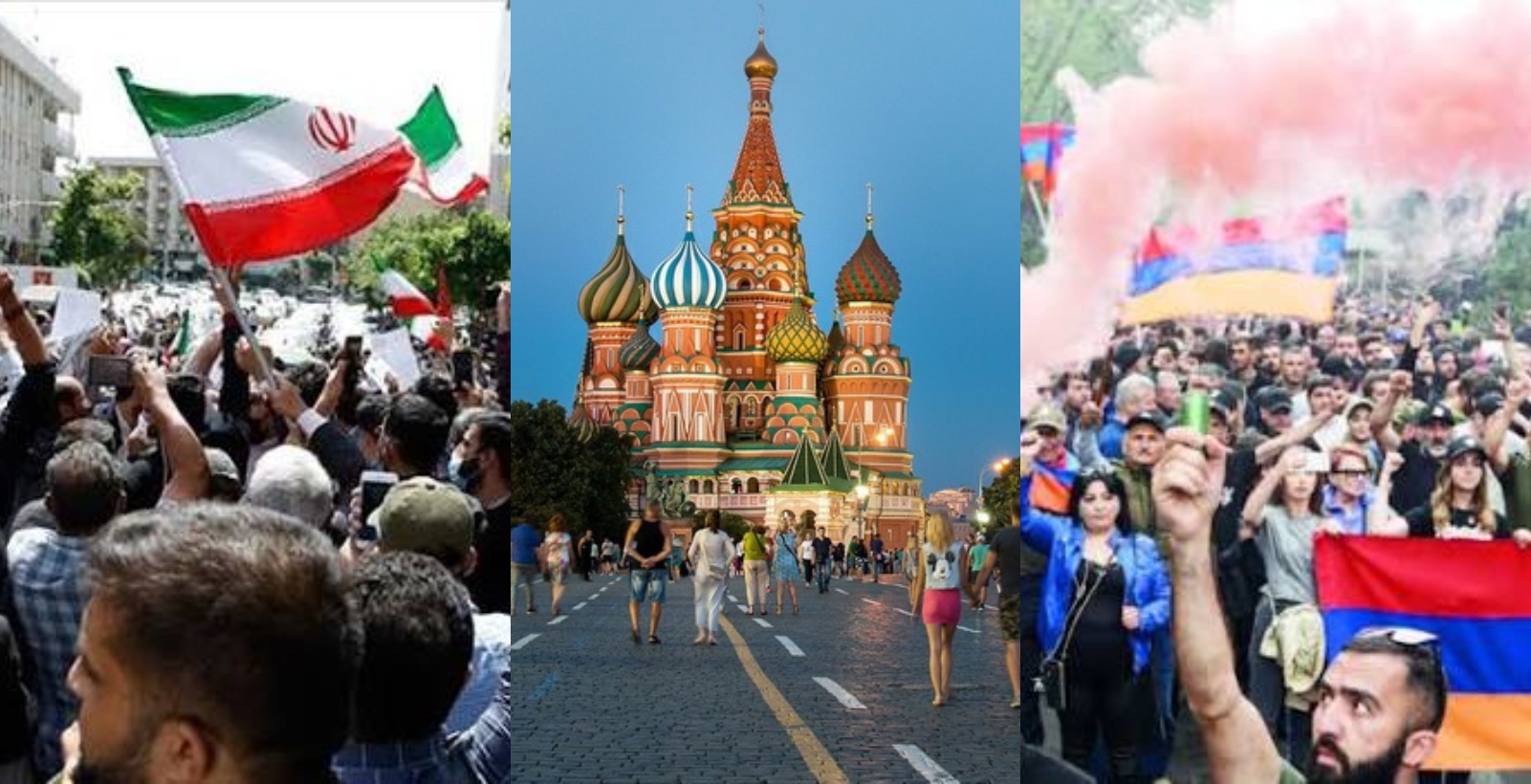
Persian chauvinism, Russia's geopolitical interests, and Armenian revanchism: who wins?
It is no secret that there are political circles in the South Caucasus that do not see the strengthening of Azerbaijan-Turkey unity as serving their interests. However, analyzing the interests of these circles is one thing, and claiming that they organized a specific social media campaign is another.
Within Iran, there are ideological circles built on Persian chauvinism, which view the national identity of Azerbaijani Turks and their ties with the Turkic world with suspicion. The strengthening of Azerbaijan-Turkey relations contradicts the political perceptions favored by these circles.
As for Russia's South Caucasus policy, there may be occasional contradictions between Moscow's interest in maintaining its influence in the region and the expansion of independent strategic cooperation between Azerbaijan and Turkey. The existence of materials creating doubt about Azerbaijan-Turkey relations in the Russian information space should also be investigated in this context.
In Armenia, there are revanchist political circles that oppose the peace process with Azerbaijan and do not want to accept the change in the realities of the past conflict. The weakening of the Azerbaijan-Turkey alliance could create results that serve the interests of such circles.
The main idea here is that, regardless of who it is, every force that thinks it can gain political and geopolitical benefit from the disruption of relations between Azerbaijan and Turkey should know that the fate of these relations is not decided by insults on social networks.
These ideological approaches and geopolitical interests can be analyzed, but their existence is not sufficient evidence to identify the organizers of a specific campaign.
When defending brotherhood, instead of creating an emotional enemy image, facts should be revealed.
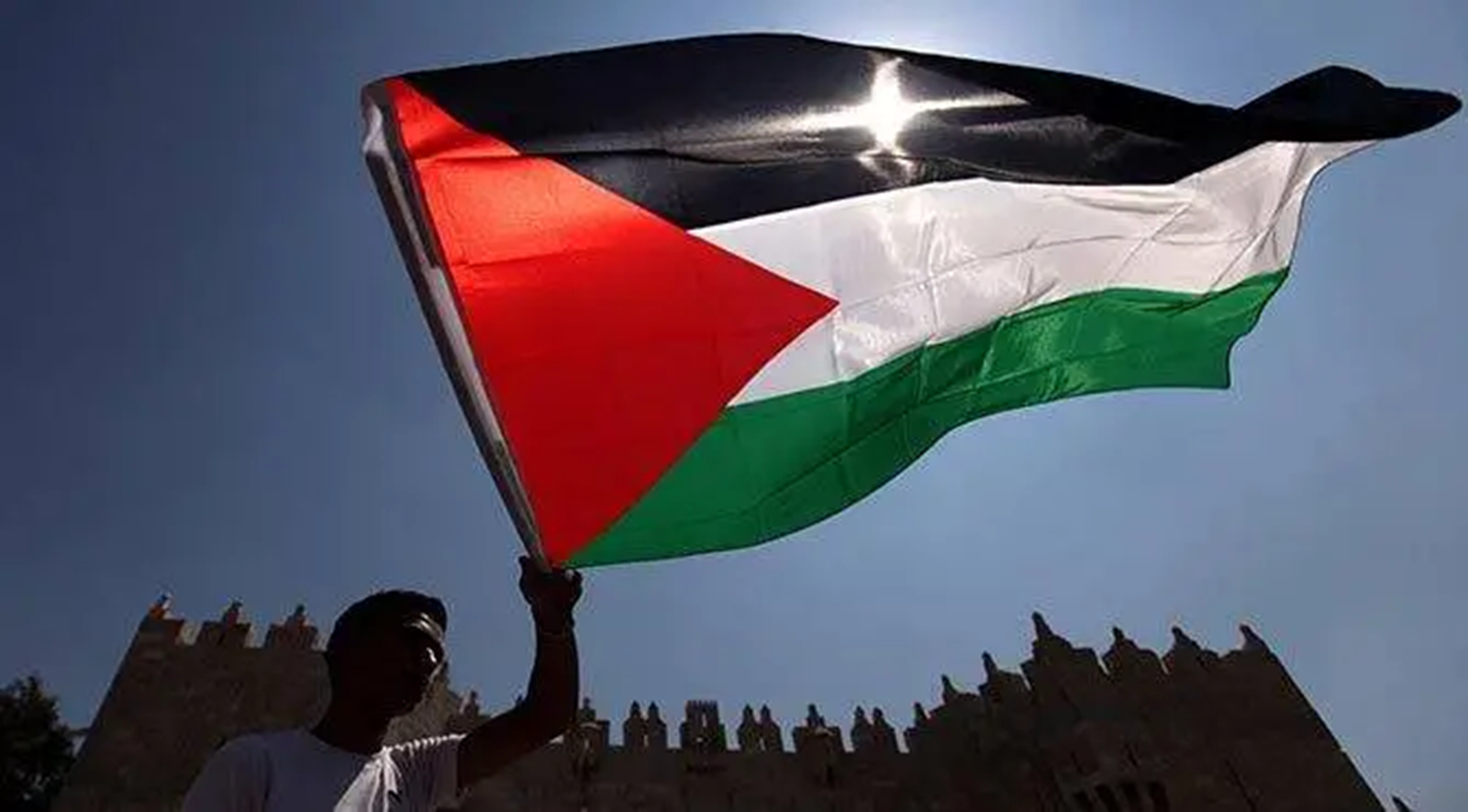
Palestine issue: brotherhood must be able to tolerate different positions
In discussions about Azerbaijan-Turkey relations, the issue of Palestine and Israel is sometimes brought up. This topic is important for understanding the different sensitivities of the foreign policies of the two countries.
Azerbaijan supports the right of the Palestinian people to self-determination and the territorial integrity of Palestine. At the same time, Azerbaijan maintains diplomatic relations with Israel. Turkey's approach to the Israeli-Palestinian conflict is shaped by its political priorities, public sensitivities, and regional calculations. Turning these differences into a test of brotherhood benefits neither side.
Just as it would be wrong to present Azerbaijan's relations with Israel as a step against Turkey, it would be equally wrong to interpret Turkey's position on the Palestinian issue as an attitude against Azerbaijan.
States are not obliged to take the same position on all international issues. Alliance does not mean having the same opinion on every international issue.
Brotherhood requires such moral maturity that even if the parties do not approve of all each other's decisions, they try to understand each other's state interests.
Azerbaijan does not automatically consider Turkey's different position on any regional issue as a step against Azerbaijan. Turkey should also not evaluate Azerbaijan's relations with various states as a political choice against itself. This approach is strategic thinking.
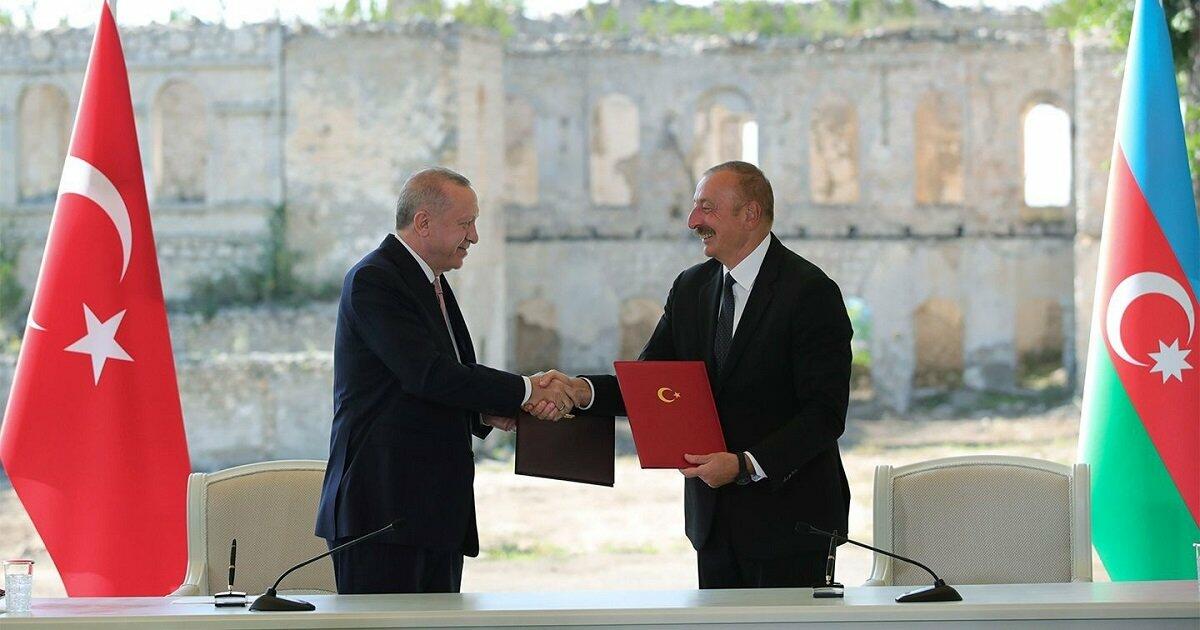
Shusha Declaration is a responsibility
When talking about the legal and political foundations of Azerbaijan-Turkey relations, it is impossible not to mention the Shusha Declaration. This document, signed on June 15, 2021, is an important historical stage formalizing the alliance relations between the two countries. Its meaning is not limited to cooperation in the field of defense and security. The Declaration also expresses the importance of mutual support, political coordination, and a common strategic vision.
This is precisely the most disturbing point for those who are against these relations: Azerbaijan and Turkey are not only countries with historical proximity, but allies who have put their common interests into a political and legal framework.
The political spirit of this document must also be complemented by concrete cooperation in the areas of daily communication, information security, and public diplomacy.
If the alliance of the two countries lives in inter-state documents, its public foundations must also be protected. The name of these foundations is trust, mutual respect, and a responsible information environment.
Azerbaijan and Turkey must sign a unified document to protect brotherhood
The problem created by recent events cannot be considered fully resolved with a new political statement. The creation of a common action mechanism is important.
It is advisable to prepare a separate bilateral document on information security and strategic communication between Azerbaijan and Turkey. This document should complement the existing alliance relations, clarify powers, procedures, and mutual obligations in combating disinformation.
Such a document can cover at least the following areas.
There must be an operational warning mechanism. The relevant state bodies of the two countries must immediately inform each other about coordinated fake information targeting Azerbaijan-Turkey relations. For this, a permanent coordinating group and an operational communication channel must be created.
A common fact-checking system must be established. A mechanism must be established that allows both sides to check information on claims rapidly spreading in public opinion, compare initial facts, and, if necessary, issue statements simultaneously.
Legal cooperation is also one of the very important elements here. Materials related to fake accounts, coordinated smear campaigns, targeted manipulation, and legal violations must be submitted to the relevant state bodies. Investigations must be carried out within the framework of national legislation and legal assistance procedures. When a legal violation is proven, the responsibility mechanism provided for in the legislation must be activated.
Cooperation with media and digital platforms should also not remain only on paper. The relations of the relevant bodies of Azerbaijan and Turkey with media, fact-checking organizations, and digital platforms must be strengthened. Experience exchange must be carried out for the detection of fake accounts, coordinated advertisements, and manipulative content.
A unified communication system must be activated during a crisis. When a sensitive topic arises between the two countries, there must be a common communication procedure that answers public questions, provides official information in a timely manner, and refutes false information.
The most important point is the protection of citizens. This mechanism should work not to silence individuals who criticize governments, but to prevent coordinated disinformation and legal violations. The legal boundary between freedom of expression and deliberately disseminated fake information must be clearly defined.
Such a document should not require the two peoples to agree on all issues. The goal is to create a sustainable defense system against campaigns that try to destroy brotherhood by exploiting disagreements. Brotherhood can live with emotion in emotional moments, but in the face of great geopolitical pressures, there is also a need for a mechanism alongside emotion.
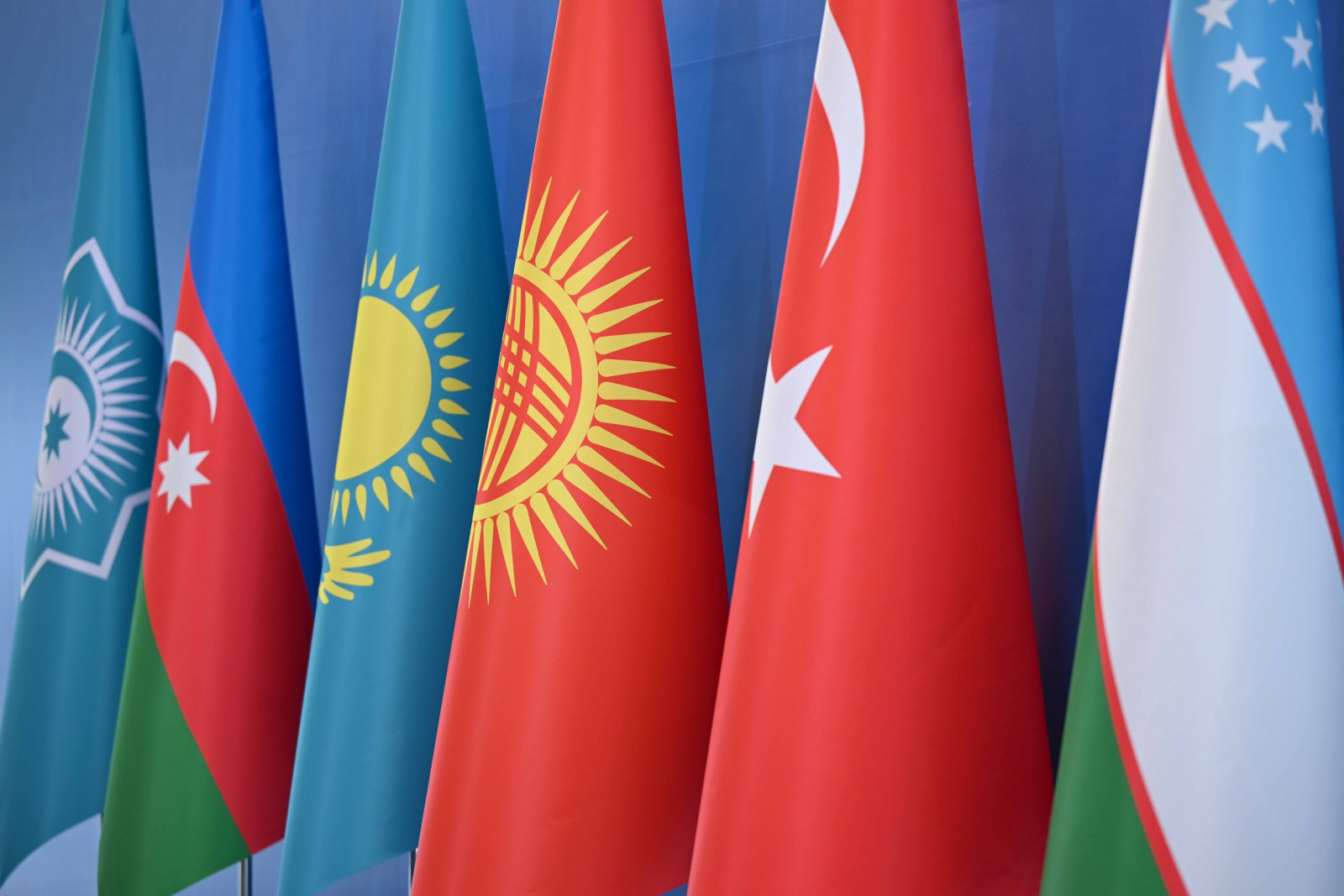
The future of the Organization of Turkic States also depends on these relations
It would not be correct to evaluate Azerbaijan-Turkey relations within the framework of bilateral relations. These relations are one of the main pillars of cooperation among Turkic states.
The perspective of the Organization of Turkic States covers a wide range of areas, from economic integration to transport connections, from energy security to a common cultural and information space.
The possibility of baseless claims about Azerbaijan-Turkey relations spreading on social networks turning into a political crisis is also a warning for the information security of the Turkic world.
Let's imagine that tomorrow they try to create a crisis of trust between Kazakhstan and Uzbekistan, Kyrgyzstan and Azerbaijan, Turkey and another Turkic state using the same methods. Will the parties have to issue statements every time after the incident escalates? Or will the Turkic states establish a preventive mechanism to protect the common information space? Clarifying this issue once and for all can determine the future strength of the organization.
The unity of the Turkic world should not consist of photos taken at summits, signed documents, and slogans voiced. This unity must be felt in daily life, in the information environment, in economic cooperation, and in mutual trust.
Who gave the most important answer?
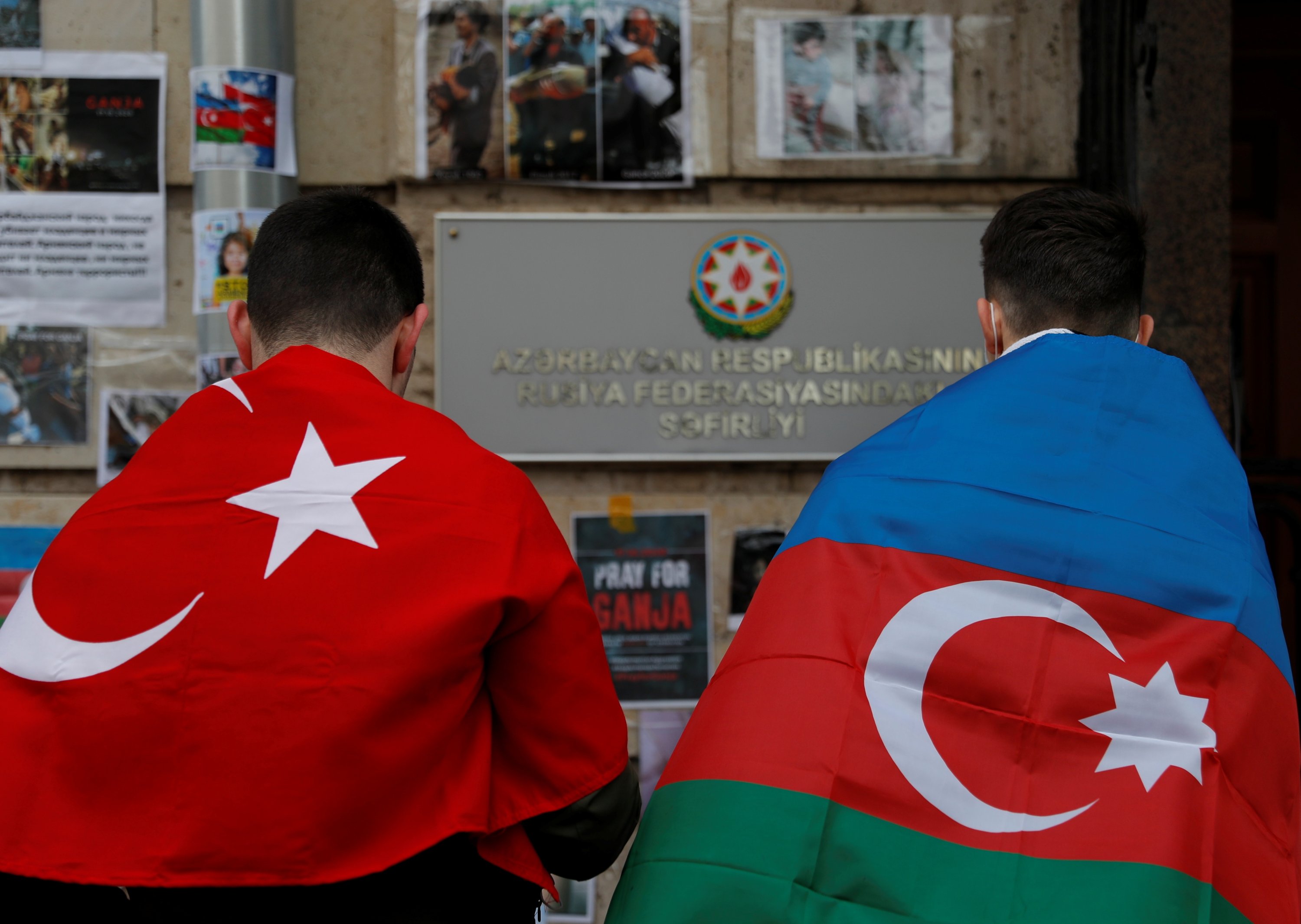
One point is particularly striking in these events: the disputes on social networks do not reflect the attitude of all Azerbaijani and Turkish citizens towards each other. Different opinions were expressed, dissatisfactions occurred, and sometimes harsh words were written. However, it is impossible to measure the attitude of millions of people towards each other with claims shared by individual accounts. Because Azerbaijan-Turkey relations are not the product of a one-day political event.
Behind these relations lie historical memory, family ties, common language, culture, support shown in difficult times, and common hopes for the future.
It must be understood that for an Azerbaijani, Turkey has never been a neighboring state on the map. For a Turk, Azerbaijan has not been an ordinary friendly country. This proximity has a political content as well as a human content. In fact, its human content is eternal.
This proximity creates great responsibility. The more people love each other, the more sensitive the emotional ground that those who want to sow doubt between them can use.
Therefore, Azerbaijani and Turkish citizens must check every claim spread against each other, not share unconfirmed information as truth, and be able to distinguish the interests of states from the emotions of individual social media accounts.
Every citizen has a responsibility. Because sometimes we don't know who is behind a post, but we can see the result it creates around us. One sentence can improve relations, and one lie can damage the trust people have built over the years.
Brotherhood should not only be loved, but protected
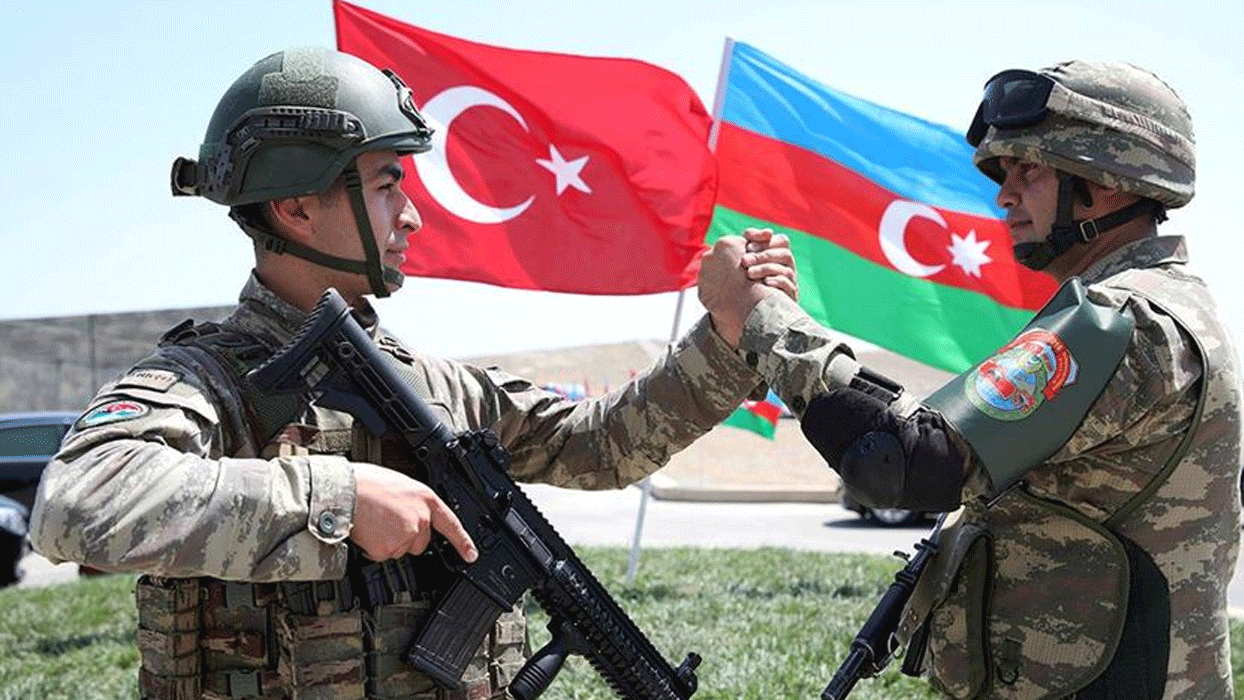
The recent information campaign targeting Azerbaijan-Turkey relations once again showed a truth: no matter how strong a strategic alliance is, gaps in the information space cannot be left unattended.
The statement of the temporary commission of the Milli Majlis against foreign interventions and hybrid threats, the warning of the Media and Broadcasting Council of the Republic of Azerbaijan, the statement of the Center for Combating Disinformation operating under the Department of Public Relations of the Turkish Presidential Administration, and Kürşad Zorlu's position are important political messages. The message of these statements is that it is not possible to change the relations between the two countries with manipulative posts. However, this message must be complemented by practical steps.
Azerbaijan and Turkey must prepare a common document against coordinated information campaigns targeting brotherhood, establish operational information exchange, ensure that legal measures are taken, and create a continuous mechanism for informing the public correctly. Such a document should create a legal framework that protects the mutual trust of the citizens of the two countries.
Those who try to disrupt brotherhood must understand one thing: the relations between Azerbaijan and Turkey were not built on social networks to be destroyed through a few posts. These relations have passed the tests of history, taken root in people's memories, and been strengthened by the strategic interests of states.
The biggest answer to those who want to sow doubt between Azerbaijan and Turkey is for the two peoples to trust each other more, and for the two states to cooperate more closely to protect that trust.
The expression "One nation, two states" by the great leader Heydar Aliyev is a memory from the past, a responsibility of today, and a promise addressed to the future. Now the main issue is to protect that promise.
Modern Research and Analysis Group