The World Cup is the center of attention for all football fans. One of the most discussed figures in the ongoing World Cup 2026 is again Lionel Messi. Despite being 39 years old, the Argentine star still manages to amaze millions with the football he displays on the field. With 8 goals and 4 assists in the tournament, Messi is not only a successor of Argentine football but also of a generation of Italian-origin footballers who have left a great mark on the world.
Modern.az reminds that the influence of Italian-origin players in the formation of world football is much greater than we think, and even if Italy does not qualify for the World Cup, Italian-origin footballers continue to dominate world football.
According to recent estimates, approximately 60 percent of Argentina's population is fully or partially of Italian origin. Millions of Italians immigrated to Argentina in the late 19th and early 20th centuries. Today, the traces of that migration are clearly visible in the country's football culture.
The family of Lionel Messi, whom we are talking about and who is recognized by most experts today as the best in history, immigrated to Argentina from the Ancona region of Italy 120 years ago. Diego Maradona's family roots are also linked to Italy. The surnames of Angel Di Maria, Mauro Icardi, Javier Zanetti, Gabriel Batistuta, and many other Argentine legends also indicate their Italian roots.
It is no coincidence that there has always been a special connection between Argentine football and Italian football. Many Argentine stars spent the brightest years of their careers in Serie A. Mauro Camoranesi, a midfielder born in Argentina, later moved to Italy and obtained citizenship of that country.
One of the biggest destinations for Italian migration was Brazil. Today, tens of millions of people of Italian origin live in Brazil.
Kaka, one of the most famous figures in football history, also has Italian family roots. In the last World Cup, Brazil national team striker Gabriel Martinelli, Dunga, Jorginho, Rafinha, etc. Brazilian football stars have also been children of families who came from Italy at various times.
Michel Platini, considered one of the symbols of French football, was born into an Italian family. His grandfather immigrated to France from the Piedmont region of Italy.
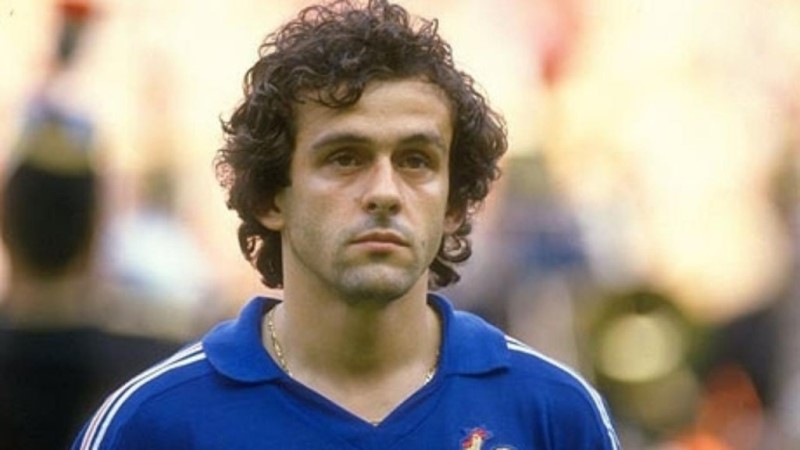
Platini is considered one of the greatest players not only in French football but also in the history of world football in general.
The local legends that Italy has produced in its football history are a separate galaxy.
Paolo Maldini is considered the player who redefined the concept of a defender. Alessandro Nesta was one of the symbols of elegant defensive art. Andrea Pirlo is considered one of the most intellectual midfielders in football history.
Roberto Baggio has become a symbol of football romanticism for millions of fans. His technique, vision, and play are still exemplary today.
When we add Dino Zoff, Franco Baresi, Gianni Rivera, Francesco Totti, Alessandro Del Piero, and Gianluigi Buffon to these names, the list gets even longer.
Of course, debates about who the greatest footballers in history are will never end. But the interesting point is that a significant part of the most frequently mentioned names are directly or indirectly related to Italy.
Messi, Maradona, Di Stefano, Platini, Zanetti, Di Maria, Maldini, Nesta, Pirlo, Baggio...
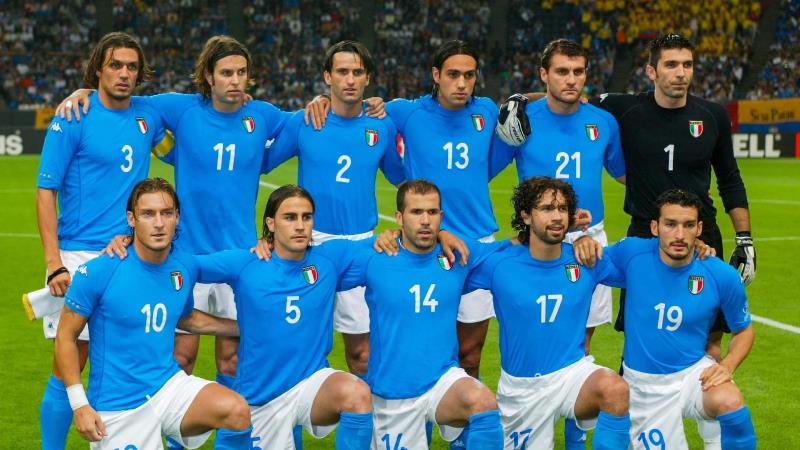
This list is not accidental.
Italy is not in the World Cup, but it is on the field.
This is one of the biggest football paradoxes of recent years. Four-time world champion Italy is out of the World Cup for the third consecutive time. However, players of Italian origin are still in leading roles on the main stage of world football.
Perhaps that is why it is not right to measure Italy's influence in football history only by the trophies it has won. Because Italy has shaped world football not only with its national team but also through generations raised in countries where millions of people have immigrated.
In this sense, it is possible to put forward a claim: the greatest school of football is Italy. Even if the Italian national team is not on the field, its trace is still visible everywhere in world football.