Information spread in recent weeks about a new mobilization to be announced after the State Duma elections in Russia in September has occupied the Kremlin's agenda. Russian President Vladimir Putin first rejected these claims at a meeting in Bishkek in the "SCO plus" format, and then on September 3 in Vladivostok, calling them an "information attack" and "disinformation." Putin stated that the army's current demand for personnel is met by those who come to military service on a voluntary contract basis, and there is no need for a new mobilization.
Thus, at least according to the Kremlin's current position, a new wave of mobilization that would call Russians to military commissariats immediately after the September elections is not expected.
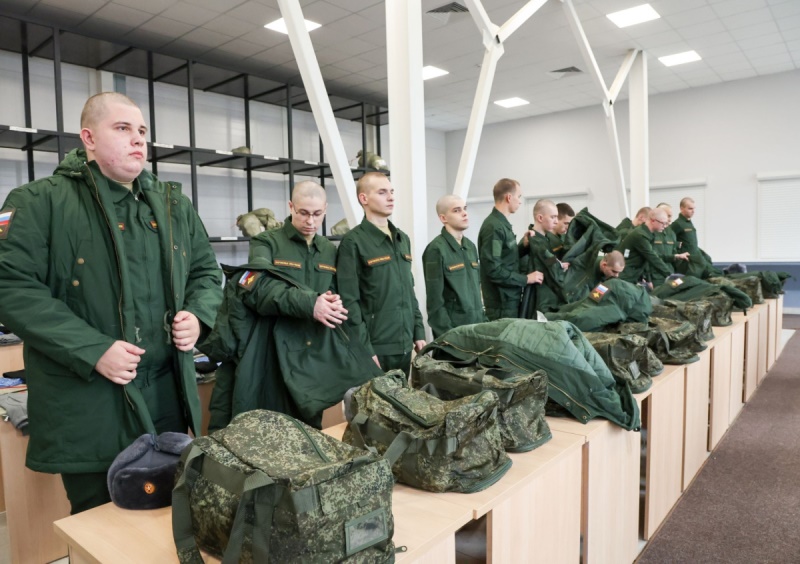
Modern.az reports that there is another point here that should not be overlooked for Azerbaijanis.
On September 21, 2022, Vladimir Putin announced a partial mobilization in Russia with Decree No. 647. That document has not been canceled to this day. Paragraph 4 of the decree stipulates that contracts concluded with military personnel during the mobilization period remain in force until that period ends. The decree itself does not specify a concrete end date for the mobilization.
This does not mean that "the 2022 mobilization still means hundreds of thousands of people being automatically sent to the front." After the autumn of 2022, no new mass mobilization was announced in Russia, and the main mechanism for staffing the army was contract military service and the involvement of volunteers.
However, from a legal point of view, the non-cancellation of the 2022 decree is an important nuance. That is, the legal basis of the mobilization regime in Russia has not completely disappeared.
The main question for Azerbaijanis in Russia is: who is at risk?
When evaluating this issue specifically for the Azerbaijani community, two distinct groups need to be separated.
Ethnic Azerbaijanis who are Russian citizens living in Russia are potential subjects of the mobilization mechanism according to Russian legislation. According to the 2020 census, there were 474,576 people who identified themselves as Azerbaijanis in Russia. The other group consists of citizens of the Republic of Azerbaijan. According to the Russian Ministry of Internal Affairs, in 2025, 224,397 Azerbaijani citizens were registered for migration in Russia under various categories. This figure is not the total number of all Azerbaijanis living in Russia, but rather an indicator related to the registration of Azerbaijani citizens.
The presence of an Azerbaijani citizen in Russia does not automatically make them a subject of Russian mobilization. However, another danger exists: the recruitment of foreign citizens for service in the Russian army on a contract basis. This channel specifically creates a separate risk for Azerbaijani citizens.
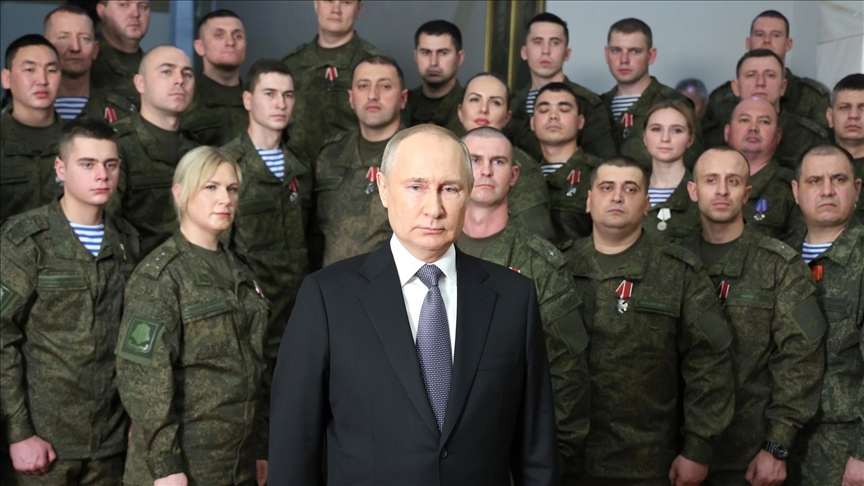
The war has already touched the lives of Azerbaijanis
The participation of Azerbaijanis in the Russia-Ukraine war is not a new issue. At various times, information has been spread about Azerbaijanis fighting on both the Ukrainian and Russian sides.
In 2022, for example, a representative of the Rada of Azerbaijanis in Ukraine announced that approximately 500 ethnic Azerbaijanis were fighting in the ranks of the Ukrainian Armed Forces, and there were casualties among them by that time. There is also factual evidence that thousands of Azerbaijanis served in the Russian army, and hundreds of our compatriots died.
The Prosecutor General's Office of Azerbaijan also stated that facts regarding the participation of Azerbaijani citizens in wars in foreign countries, including Ukraine, are being investigated. The institution's statements noted that there were dead, wounded, and captured Azerbaijani citizens during the battles.
This fact itself shows one thing: the war is no longer a distant event watched only on television for Azerbaijanis living in Russia.
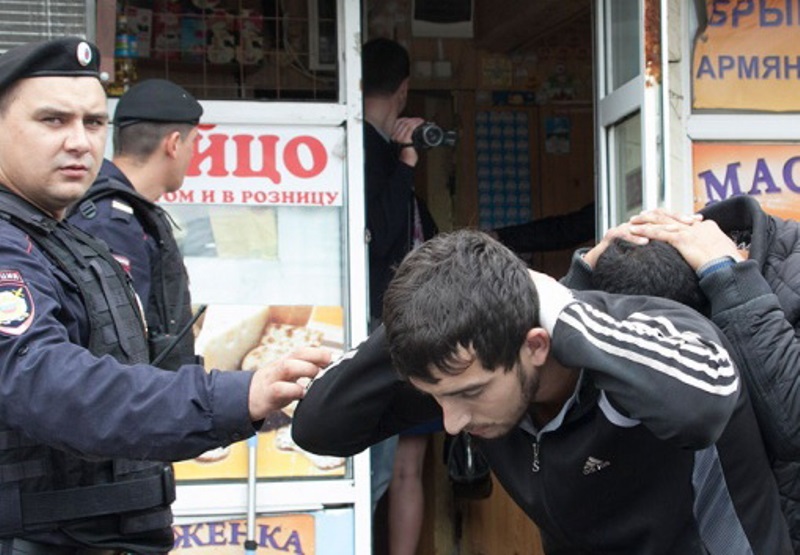
Putin says "there will be no mobilization." But what about tomorrow?
The main issue here is not to take Putin's statement yesterday as an unchangeable guarantee for the future. The president's statement that there is currently no need for a new mobilization is a specific political position. The Kremlin rejected these reports both in Bishkek and on September 3.
But the war continues. Russia's need for manpower is mainly met by volunteers and contract soldiers. Even if this model continues, the risk for Azerbaijani men living in Russia is not completely zeroed out. Especially for those with Russian citizenship, the legal basis of the mobilization mechanism remains in force. For Azerbaijani citizens, the main risk is being recruited into a military contract through legal or illegal means and consequently being sent to war.
In other words, the news that "there will be no mobilization in September" cannot be equated with the conclusion that "there is no military threat for Azerbaijanis in Russia." Putin may call the information about mobilization disinformation. However, the legal trace of Decree No. 647 signed in 2022 still remains, and the Russia-Ukraine war has not yet ended.