Direct contacts at the leaders' level hold significant political importance in the process of normalizing Azerbaijan-Armenia relations. Especially after the agreements reached in Washington on August 8, 2025, the continuation of dialogue between Baku and Yerevan is considered one of the main indicators of the peace agenda moving into a practical plane.
In this regard, it is noteworthy that Armenian Prime Minister Nikol Pashinyan called President Ilham Aliyev on the 1st anniversary of the Washington Peace Summit and the initialing of the text of the Peace Agreement between Azerbaijan and Armenia. The fact that the phone conversation coincided with this date, and that the parties discussed the results achieved in the normalization process over the past year and expressed their positions on the continuation of the peace process, is of particular importance in terms of the current stage and future prospects of the Baku-Yerevan political dialogue.
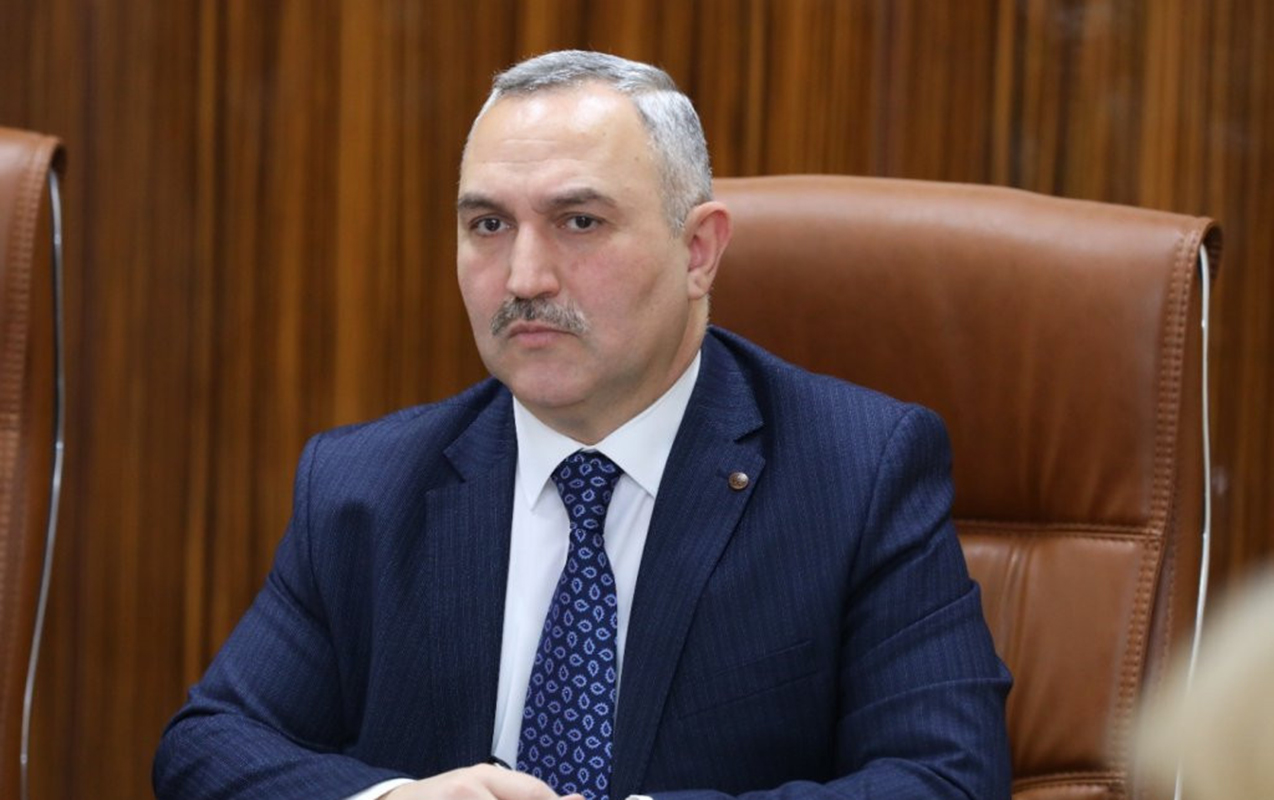
Commenting on Nikol Pashinyan's phone call to Azerbaijani President Ilham Aliyev for Modern.az, Azer Allahverenov, a member of the Milli Majlis, noted that the phone conversation undoubtedly carries important political, or more precisely, symbolic meaning. This is because the call coincides with the 1st anniversary of the peace summit held in Washington on August 8, 2025, and the initialing of the text of the peace agreement between Azerbaijan and Armenia. With the call made on that very day, Nikol Pashinyan conveyed a number of important political messages.
The deputy noted that, first and foremost, this call demonstrates Armenia's commitment to the agreements reached in Washington and expresses the country's interest in advancing the peace process with Azerbaijan, stemming from its obligations:
“In this regard, the call has political significance and is considered a very important event indicating the continuity of the process as a whole.
The direct call to the President of the Republic of Azerbaijan shows that the Baku-Yerevan dialogue already has a separate political value and that direct contacts are extremely important. Considering that the issues raised during the call, especially the initialed peace document and other topics of great importance for the region, including communications and processes serving the normalization of relations, were discussed, this indicates that important events have taken place over the past year and the political dialogue is being continued. The parties continue their activities in accordance with the provisions contained in the peace document.
However, naturally, a number of issues remain as obligations for Armenia. These are issues expected to be resolved as a result of the intensified direct political dialogue between Baku and Yerevan in the new stage.”
The member of the Milli Majlis emphasized that another important point is the positive evaluation of the results achieved over the past year:
“Because the main issue is to ensure that the peace process does not remain only on paper, but transitions to the practical normalization of relations through diplomatic and other channels. The issues mentioned in the phone conversation serve precisely to continue and implement the work carried out on this practical level in a broader context.
The most important issue in relations between the two countries is the formation of a real peace environment, and this is already considered a positive result. The Washington agreements play a very large role in establishing real peace. It is expected that this peace will yield results in other directions as well. Especially in the economic sphere - expansion of mutual trade, energy and other relations, and at the same time, significant results are expected in terms of the implementation of transport and communication projects in the South Caucasus against the background of the normalization of Azerbaijan-Armenia relations on a regional level.”
The deputy also added that the process related to the TRIPP project should be kept in focus:
“This phone call demonstrates not only commitment to establishing peaceful relations, but also commitment to other agreements reached in Washington, including the TRIPP project.
Another important issue is holding a referendum to remove the provisions containing territorial claims against Azerbaijan from the Armenian Constitution. This step will make the signing of the peace agreement possible as a whole. Perhaps the final chord in the normalization of relations between the two countries will be the amendment of the Armenian Constitution, and this can be possible through a referendum.
In any case, this call once again shows that the agreements reached in Washington on August 8, 2025, are a historic turning point. Washington's close participation in the peace process in the South Caucasus, as well as in the implementation of ongoing integration projects, especially transport and logistics projects, is essential. This indicates the formation of a new political configuration along the US-South Caucasus line.”
A. Allahverenov also brought to attention that this call also demonstrates Armenia's intention to implement a successful neighborhood policy with Azerbaijan in its future development strategy:
“Azerbaijan's expectation, however, is for Armenia to take real practical steps towards establishing peaceful relations. Among these steps, the removal of territorial claims contained in the Armenian Constitution remains a key condition. We see extensive discussions on this topic in Armenian political circles and hope that Yerevan will demonstrate political will and take real steps to remove the territorial claims from the Constitution,” the deputy concluded.