Against the backdrop of the ongoing war between Ukraine and Russia, the intensification of strikes targeting Moscow and its surroundings is noteworthy. Ukraine's targeting of the Russian capital, Moscow, has led to the war being felt in that country as well. However, one of the interesting nuances is whether these attacks have changed the balance of power and what kind of impact they have left.
In a statement to Modern.az, Ukrainian political scientist Stanislav Zhelikhovsky stated that Ukraine's intensive strikes targeting the Moscow region have a serious impact from a psychological, political, and diplomatic point of view:
"These attacks challenge the Kremlin's narrative that 'Russia can wage war on its own territory without consequences' and force Moscow to allocate additional resources to air defense systems, as well as to the protection of critical infrastructure.
At the same time, these strikes have not fundamentally changed the balance of power in the war. Russia still possesses significant military and economic resources. Nevertheless, Ukraine is pursuing an 'asymmetric pressure' strategy, trying to increase the cost of the war and striking military, industrial, and symbolic targets deep within Russian territory."
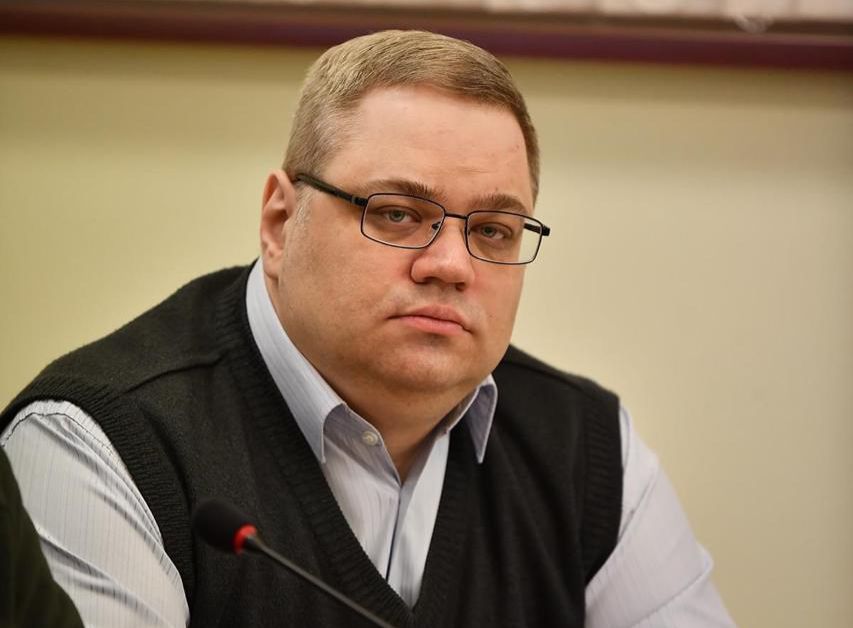
The political scientist emphasized that one of the significant factors is the continued support of Ukraine's partners:
"The expansion of Ukraine's long-range capabilities - especially drones, missiles, electronic warfare systems, and defense production - heavily depends on continuous financial investments, technological cooperation, and joint defense projects with Western allies. Closer integration of the Ukrainian defense industry with European and transatlantic partners can ensure that this pressure is more sustainable."
S. Zhelikhovsky added that, from a diplomatic point of view, these attacks strengthen Kyiv's position in future negotiations:
"The attacks send a message to Russia that the war will not end simply by waiting for Ukraine to be exhausted, and the prolongation of the conflict will create increasingly high costs for the Kremlin. While this is not a decisive turning point, it shows that Russia's strategic rear areas are no longer completely safe."