Wars can change the borders of states, but diplomacy determines their fate. History shows that the most powerful states have distinguished themselves not only by their military and economic capabilities, but also by their ability to conduct complex negotiations, turn enemies into partners, and protect their national interests. From ancient empires to modern states, diplomacy has been one of the main tools of international relations. Today is the professional holiday of the employees of the Diplomatic Service bodies. On this occasion, Modern.az presents countries that have attracted attention with their diplomacy and activities throughout the centuries.
Iran
One of the oldest diplomatic traditions in the world belongs to Iran. Already during the Achaemenid Empire, Persian rulers were able to unite various peoples and cultures under a single system of governance. In subsequent centuries, Iran maintained its existence by pursuing a policy of balance among great empires. Iran has never been a fully colonial state and has been distinguished by its cautious and thoughtful diplomacy throughout its history. In modern times, Iran's diplomatic skill is particularly noteworthy. Despite being under sanctions for decades, Tehran maintains its influence in the region and on the international arena. Iran also tries to establish a complex balance in relations with Russia, China, Turkey, Arab countries, and the West. For this reason, many experts consider Iranian diplomacy to be one of the most experienced diplomatic schools in the Middle East.
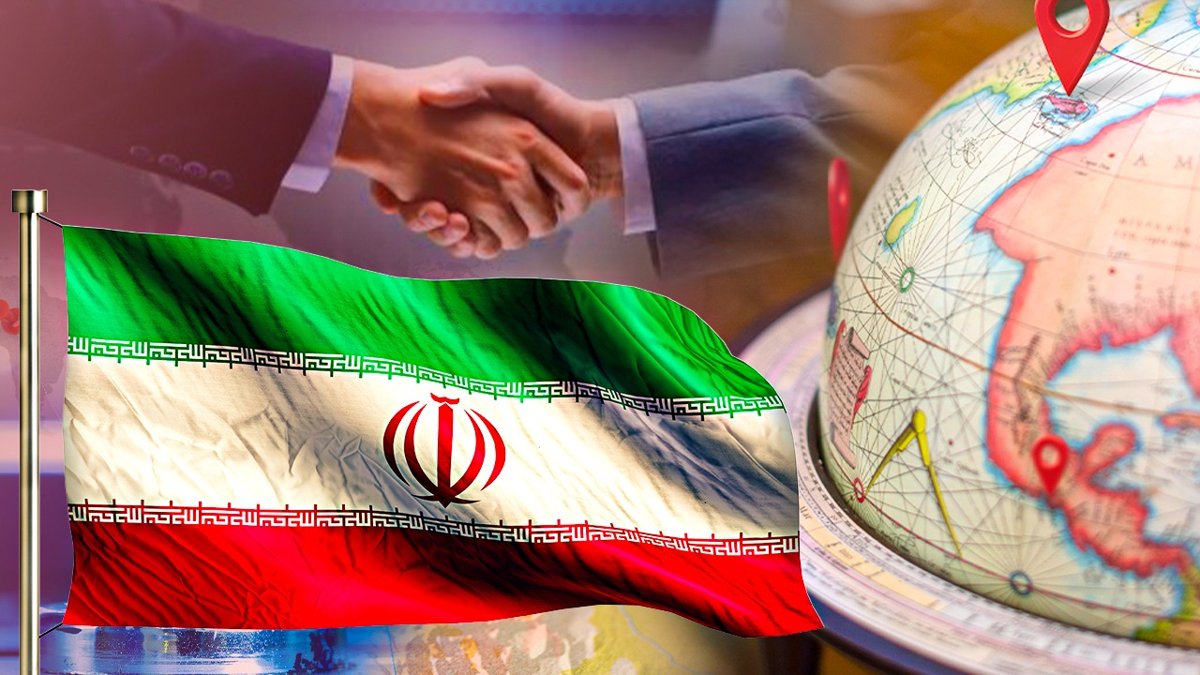
It is no coincidence that the unique features of Iranian diplomacy, its ability to prolong time and confuse the other side, manifested themselves in the recent tensions with the US and the months-long negotiation process. US Vice President J.D. Vance admitted that Americans cannot always understand the logic of Iranian negotiators. According to him, even after months of negotiations, some actions of the Iranian side remain unexpected for Washington. This shows that Iran's centuries-old diplomatic traditions and strategic patience policy continue in modern times.
Turkey
The diplomatic experience inherited from the Ottoman Empire is still felt in Turkey's foreign policy today. Its geographical position allows Ankara to play an important role in both European and Asian politics. Although Turkey is a NATO member, it also continues cooperation with Russia, strengthens ties with Turkic states, and pursues an active policy in the Middle East.
 In recent years, mediation attempts between the parties during the Russia-Ukraine war once again demonstrated the flexibility of Turkish diplomacy. Official Ankara, playing a leading role in the Organization of Turkic States, is considered one of the countries whose voice is taken into account in both regional and global processes.
Israel
Located in the most complex geopolitical environment of the Middle East, Israel is one of the states that makes maximum use of the power of diplomacy. Despite being in a state of regional isolation for many years, Tel Aviv has maintained its strategic partnership with the US, while also taking important steps towards normalizing relations with Arab states. One of Israel's diplomatic successes is its ability to align security, technology, and economic interests with foreign policy. This has given the country greater influence on the international arena than its size. The fact that Israel is the only state to recognize the independence of Somaliland is an example of its active policy on the African continent.
Great Britain
In history, "British diplomacy" has formed as a separate concept. London has sought to maintain the balance of power in Europe for centuries and secured its interests through various alliances. Britain's victory in the struggle against French Emperor Napoleon Bonaparte and German Führer Adolf Hitler also occurred due to active diplomacy and the involvement of allies.
 Although the imperial era has ended, Great Britain is still considered a permanent member of the UN Security Council, one of the leading NATO countries, and one of the main centers of global diplomacy. Britain's political-diplomatic and cultural influence in its former colonies such as Pakistan, India, Caribbean countries, and Africa remains today.
France
France uses diplomacy not only as a political but also as a cultural tool of influence. Paris actively participates in international organizations, maintaining its influence in Africa, the Middle East, and Europe. One of the main characteristics of French diplomacy is the country's attempt to demonstrate an independent position on global issues. Although official Paris sometimes pursues a provocative policy that serves to create tension in the South Caucasus and North Africa, its power, both diplomatically and militarily, is still significant today.
China
In recent decades, Chinese diplomacy has become one of the most important factors in world politics. Beijing has strengthened its positions in Asia, Africa, and Latin America by transforming its economic power into a tool of diplomatic influence. The "Belt and Road" initiative is considered one of the main projects that increase the global influence of Chinese diplomacy. Chinese diplomacy tends to penetrate countries more through cultural, scientific, and economic means and is far from pursuing an aggressive policy.
USA
The US was one of the main architects of the international system formed after the Second World War. Washington influences global processes through organizations such as NATO, the UN, and the World Bank. The strength of US diplomacy rests not only on its military and economic capabilities but also on a wide network of allies. Today, official Washington, which has the largest diplomatic staff in the world, acts as an active actor in the processes taking place in those countries through its embassies.
Azerbaijan
Azerbaijan is also one of the countries that has demonstrated in recent decades how important a role diplomacy plays in the formation of state power. Facing a complex geopolitical situation in the first years of independence, the country later managed to form a balanced foreign policy course. Baku was able to develop relations with Russia, the European Union, the US, China, Central Asian, and Middle Eastern countries while maintaining a strategic alliance with Turkey. Azerbaijan's energy diplomacy, transport projects, and activity in international organizations significantly increased the country's regional weight.
 Especially in recent years, after the resolution of the Karabakh issue, Azerbaijan's diplomatic activity has further increased. Hosting a global event like COP29, its growing role in the Organization of Turkic States, and its ability to work simultaneously with various geopolitical centers have strengthened the country's international prestige. Today, although Azerbaijan is not yet among the great powers, it is becoming one of the important middle powers in the region thanks to diplomacy, energy resources, transit opportunities, and strategic position. In this success, along with military and economic factors, a thoughtful diplomatic policy also plays a special role.
History shows that diplomacy can sometimes become a more powerful weapon than armies. Iran's millennia-old political school, Turkey's balance policy, Israel's flexible foreign course, the classic diplomatic traditions of Great Britain and France, and the global influence of China and the US demonstrate how important a role diplomacy plays in the power of states. In the modern world, successful countries are those that have not only a strong army but also a strong diplomatic strategy.