In the last decade, NATO has perhaps experienced the most complex period in its history. Russia's annexation of Crimea, the large-scale war against Ukraine, Finland and Sweden joining the alliance, defense spending reaching record levels, and China being assessed as a security challenge for the first time in the alliance's strategic documents have created a new stage in NATO's activities.
At this stage, it is stated that the Ankara Summit of NATO, held on July 7-8, will be the most important event in terms of critical decisions.
Dozens of important decisions were also made at the summits held before the Ankara summit. Interestingly, not all of them were implemented at the same speed. Some decisions were executed immediately, while others took years to materialize. However, Russia's initiation of war against Ukraine in 2022 led to the rapid implementation of many decisions made within NATO.
Modern.az reviews the fate of key decisions made at NATO summits over the last decade.
2016 Warsaw Summit: NATO shifted to a new deterrence policy
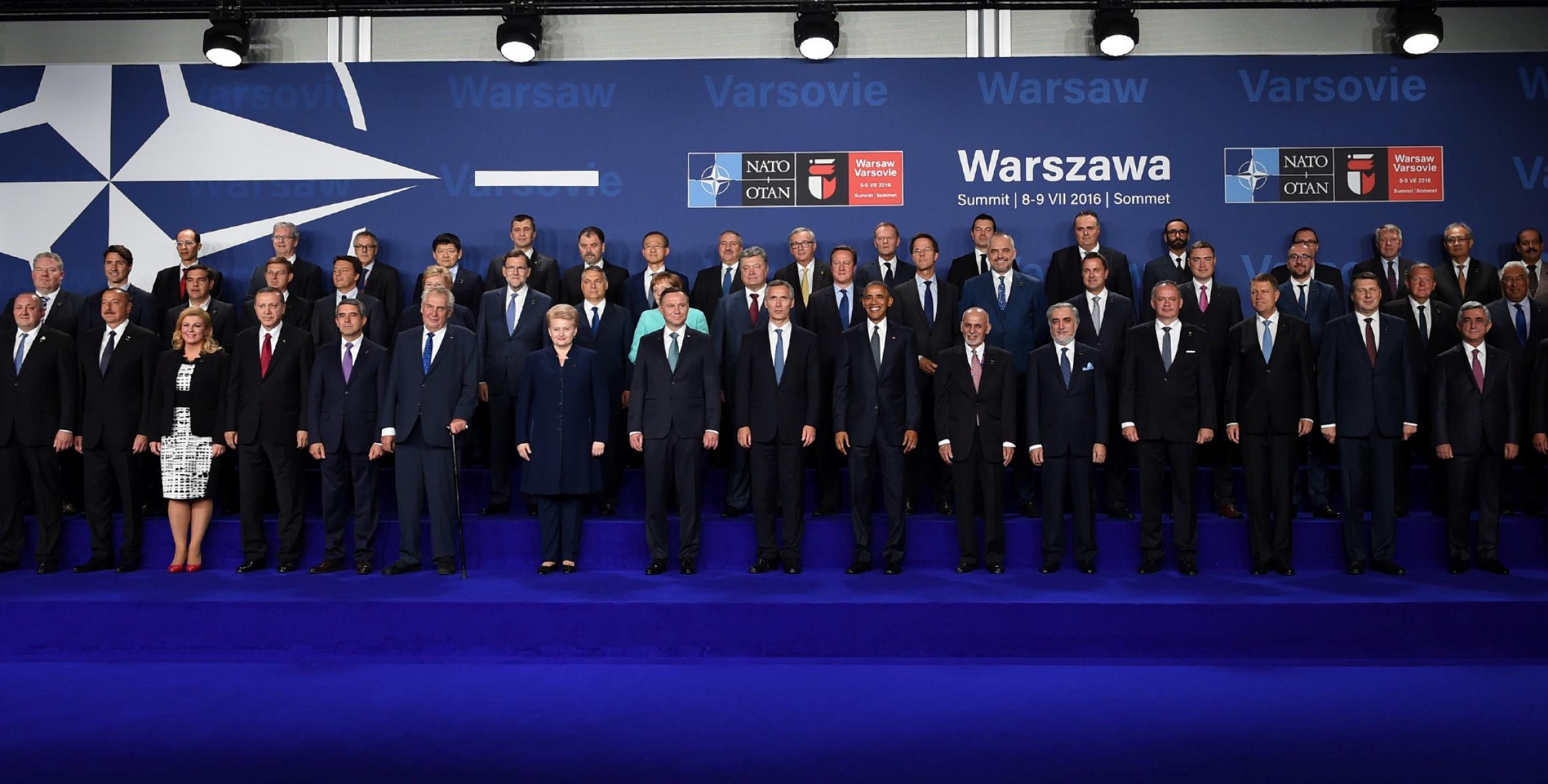
The NATO summit held in Warsaw, the capital of Poland, on July 8-9, 2016, is considered one of the turning points in the alliance's modern history. This summit, also attended by President Ilham Aliyev, fundamentally changed NATO's security strategy after Russia's annexation of Crimea. If in previous years the main focus was on crisis management, after Warsaw the priority became the pre-emptive deterrence of potential threats.
The vast majority of the decisions made at the summit were fully implemented in subsequent years.
One of the most important decisions was the deployment of multinational military battalions in Estonia, Latvia, Lithuania, and Poland. These contingents, led by Great Britain, Canada, Germany, and the USA, began operations in 2017. After Russia's large-scale attack on Ukraine in 2022, the number of these battalions was increased, and some of them were expanded to brigade level. Today, the defense of NATO's eastern flank is based on the decisions made at the Warsaw summit.
Another important decision in Warsaw was the recognition of cyberspace as a separate operational domain. With this, NATO began to assess cyberattacks in the same threat category as land, air, and sea attacks. In subsequent years, NATO's Cyber Operations Center was established in Mons, Belgium, and the national cyber defense systems of member states were integrated into a unified coordination mechanism.
The summit also announced the initial operational capability of Europe's ballistic missile defense system. Defense facilities in Romania and Poland were integrated into NATO command, and US warships stationed in Spain became part of the unified missile defense system.
In Warsaw, a decision was also made to continue the "Resolute Support" mission in Afghanistan. The mission continued until the withdrawal of NATO forces from the country in 2021.
Another important outcome of the summit was the first large-scale joint declaration signed between NATO and the European Union. This document laid the foundation for cooperation in cybersecurity, hybrid threats, and security in the Mediterranean. In subsequent years, the establishment of the Centre of Excellence for Countering Hybrid Threats in Finland and the expansion of joint operations in the Mediterranean are considered practical results of these decisions.
The Warsaw summit showed that NATO no longer operates in accordance with the previous security environment. For the first time, the alliance began to assess risks originating from Russia as a long-term strategic threat.
2017 Brussels Summit: Two decisions, two different outcomes
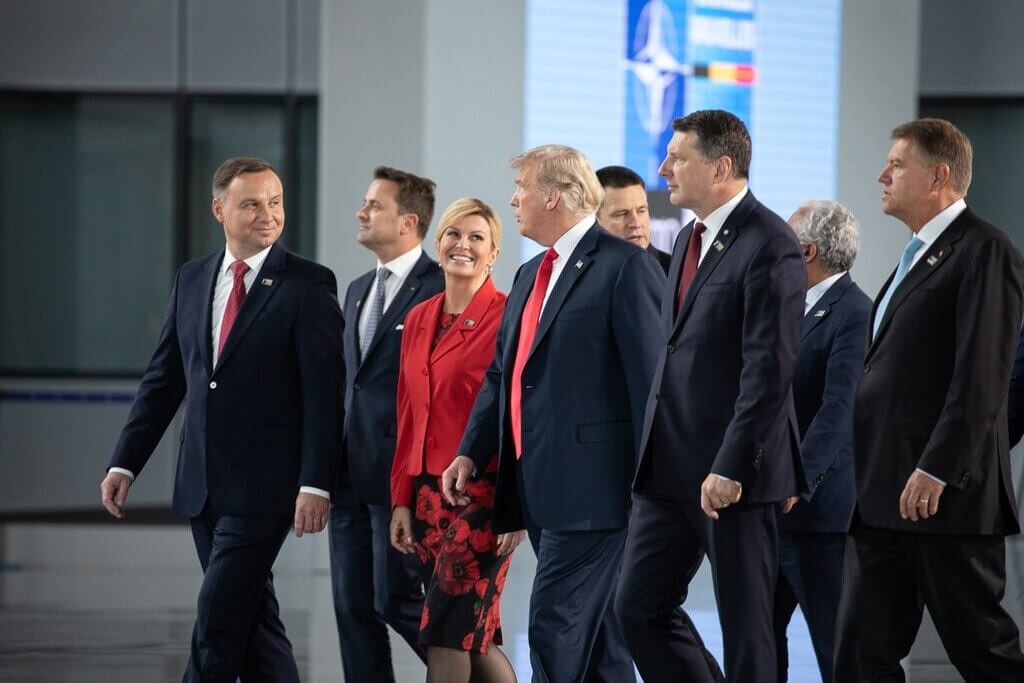
The NATO summit held in Brussels in 2017 was remembered for two main directions. One was the fight against terrorism, and the other was the increase in defense spending by member states. Interestingly, the fate of the implementation of these two decisions was completely different.
Decisions made in the fight against terrorism were implemented in a short time. NATO officially joined the international coalition against ISIS, expanded its mission to train local security forces in Iraq, and established a special intelligence unit for counter-terrorism within its headquarters in Brussels. These steps significantly strengthened information exchange within the alliance.
The most discussed decision was to increase defense spending to a minimum of 2 percent of GDP. Although member states were required to prepare national action plans for this purpose at the summit, the process did not progress as expected.
Between 2017 and 2021, Germany, Belgium, Spain, and several other European countries were not in a hurry to significantly increase their defense budgets. This further deepened disagreements between Washington and its European allies.
Even when the deadline set for 2024 was reached, some countries had not met the 2 percent target.
However, Russia's large-scale war against Ukraine in 2022 completely changed the situation. As a result of increased security risks, European countries began to raise their military budgets to record levels. According to NATO's latest assessments, all members of the alliance have now met the minimum 2 percent threshold, and higher defense spending targets of 3.5 and 5 percent are already being discussed.
The biggest outcome of the Brussels summit emerged precisely here. Although the decision was not implemented immediately, changing security conditions made its realization inevitable.
2018 Brussels Summit: Delayed decisions, changing reality
The next summit held in Brussels in 2018 was a continuation of previous decisions. Here, the main focus was on increasing defense spending, financing the mission in Afghanistan, expanding military cooperation with the European Union, and strengthening cybersecurity.
The situation with defense budgets remained complex. Many countries were not fulfilling their commitments. However, in subsequent years, due to changes in the security environment, a serious shift occurred in this direction, and the 2 percent minimum threshold within NATO virtually became the norm.
The decision regarding Afghanistan, however, was not fully realized. Although the summit envisioned long-term financing of the mission, the withdrawal of US and NATO forces from the country in 2021 led to the premature termination of the program.
In contrast, cooperation with the European Union in military mobility and cybersecurity developed as planned. Procedures ensuring faster movement of military equipment within Europe were simplified, infrastructure projects were expanded, and coordination against hybrid threats was strengthened.
One of the notable points of the summit for Azerbaijan was the reaffirmation of political support for the country's territorial integrity in NATO documents. In addition, the Azerbaijani Armed Forces successfully continued the peacekeeping mission in Afghanistan until the withdrawal of NATO forces.
Thus, the 2018 Brussels summit showed that although some decisions were implemented later than expected, most of them subsequently yielded practical results against the backdrop of changing geopolitical realities.
2019 London Summit: NATO began to adapt to new threats
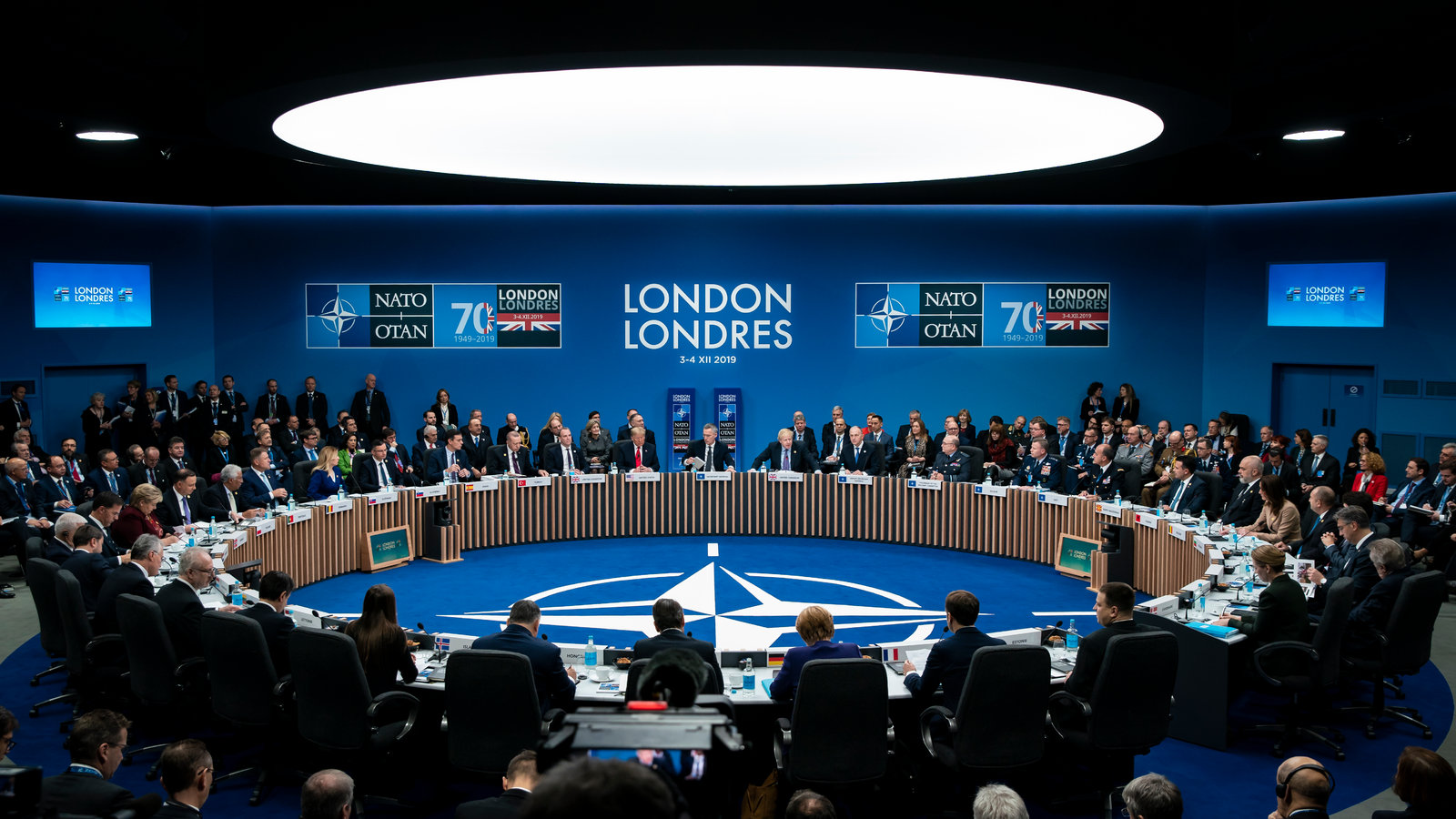
The summit held in London, the capital of Great Britain, in December 2019, coincided with NATO's 70th anniversary. However, in addition to being an anniversary event, this meeting was also of great importance in determining the alliance's future strategic course.
At that time, there were also considerable disagreements within NATO. French President Emmanuel Macron's statement that "NATO is brain dead" had led to serious discussions about the future of the alliance. It was precisely in such circumstances that the decisions made at the London summit gave a new direction to NATO's political and military transformation.
One of the most striking decisions was the recognition of space as a new operational domain for NATO. With this, the alliance made space an integral part of military planning, after land, air, sea, and cyberspace. Following the decision, NATO's Space Centre was established at Ramstein Air Base in Germany, and the coordination of satellite data began to be carried out through a unified system.
Another strategic decision made at the London summit was the launch of the political reform process, later named "NATO 2030". The aim was to ensure that the alliance could make more flexible and operational decisions not only militarily but also politically. This initiative later laid the groundwork for the development of the new Strategic Concept adopted in Madrid in 2022.
Another important outcome of the summit was the inclusion of China in NATO documents for the first time on the security agenda. The London Declaration noted that Beijing's growing global influence created both opportunities and challenges. In subsequent summits, this approach was further tightened, and China began to be assessed as a "systemic challenge" for the alliance.
The issue of increasing defense spending was also brought up again in London. The US demanded that European allies form a defense budget of at least 2 percent of GDP. Although the number of countries reaching this target was small at that time, a few years later, with the change in security conditions, the situation developed in a completely different direction.
One of the important political outcomes of the summit was the support for the completion of North Macedonia's NATO membership process. A few months later – in March 2020 – the country was admitted to the organization as its 30th member.
The London summit showed that NATO has begun to focus not only on military risks in Europe but also on space, technology, and changing geopolitical processes in the Asia-Pacific region.
2021 Brussels Summit: Decisions that shaped NATO's future
The summit held in Brussels in June 2021 is considered the beginning of a new stage in NATO's history. Interestingly, most of the decisions made during the summit began to be rapidly implemented just one year later, against the backdrop of Russia's large-scale war against Ukraine.
The most important decision was the approval of the "NATO 2030" agenda. This document defined the alliance's political, military, and technological development directions for the coming decade. At the same time, the development of a new Strategic Concept was launched. As a result, NATO's security doctrine was completely updated in Madrid in 2022.
The Brussels summit also laid the foundation for a new stage in relations with China. For the first time in NATO's history, an official document stated that China's growing military, technological, and economic capabilities posed a "systemic challenge" to the alliance. In subsequent years, the expansion of cooperation with Japan, South Korea, Australia, and New Zealand was a practical continuation of this decision.
Maintaining technological superiority was also one of the main priorities of the summit. Leaders agreed to expand the use of artificial intelligence in defense, establish an innovation fund, and increase investment in new technologies. By the end of that year, NATO's first Artificial Intelligence Strategy was adopted. The DIANA program, created later, became the main platform for financing startups working in defense technologies.
For the first time, climate change was also assessed as a security issue. NATO considered that global warming is not only an environmental problem but also a factor directly affecting military infrastructure and operations. A special action plan was adopted in this direction, and new mechanisms for monitoring carbon emissions began to be implemented in subsequent years.
At the Brussels summit, the "open door" policy regarding Ukraine and Georgia was reaffirmed. Although this decision was mainly considered political support at that time, the situation fundamentally changed after 2022. NATO began to provide large-scale military assistance to Ukraine, large-scale programs were implemented to adapt the country to alliance standards, and in subsequent summits, it was emphasized that Ukraine's path to membership was "irreversible."
It is noteworthy that most of the decisions adopted in 2021 seemed like future-oriented plans when the summit was held. However, just one year later, the new security reality in Europe turned almost all of these plans into a core part of NATO's daily activities.
That is why experts consider the 2021 Brussels summit one of the main starting points for NATO's transformation in subsequent years.
2022 Madrid Summit: Ukraine war changed NATO's priorities
The NATO summit held in Madrid, the capital of Spain, on June 28-30, 2022, is considered one of the most important summits organized by the alliance in the last decade. Held just four months after Russia launched large-scale military operations against Ukraine, the summit effectively defined NATO's new security strategy.
If previous summits discussed future risks, in Madrid, response mechanisms to existing threats were already being prepared. For this reason, a large part of the decisions made were implemented in a short time.
The most important outcome of the summit was the adoption of the 2022 Strategic Concept. NATO updated the previous document, which had been in force since 2010, and characterized Russia as "the most direct and serious threat to the security of the Allies." This was one of the sharpest changes in NATO's official position regarding Moscow in recent decades.
In the new strategic document, China was also assessed as a systemic challenge for the first time. The alliance specifically noted the impact of Beijing's military modernization, technological capabilities, and global influence on the security environment. With this, NATO demonstrated that it does not limit its activities only to the Euro-Atlantic area.
One of the most notable decisions of the Madrid summit was the invitation of Finland and Sweden to NATO. The membership process of both countries, which had pursued a policy of military neutrality for many years, was accelerated after Russia's attack on Ukraine. Finland became a full member of NATO in 2023, and Sweden in 2024. This decision significantly changed the military-political balance in the Baltic Sea region.
At the summit, a decision was made to increase the number of NATO's High Readiness Forces from approximately 40,000 to 300,000 personnel. The aim was to react more quickly to possible crises. In the following months, additional military contingents were deployed on the eastern flank, and defense capabilities were strengthened in Poland, Romania, and the Baltic countries.
The establishment of the first permanent US military headquarters in Poland was also confirmed in Madrid. This decision further strengthened NATO's military presence in Eastern Europe and became one of the main elements of the deterrence policy against Russia.
A long-term aid package for Ukraine was also adopted at the summit. This included military training programs, the implementation of modern weapon systems, the development of logistics capabilities, and the adaptation of the Ukrainian Armed Forces to NATO standards. In subsequent years, these programs were expanded, and the alliance's support for Kyiv took on a systematic character.
The most important feature of the Madrid summit was that, unlike previous summits, most of the decisions made here did not remain as long-term plans. The security reality created by Russia made their immediate implementation necessary. That is why experts consider the Madrid summit one of the most important turning points in NATO's history since the Cold War.
2023 Vilnius Summit: NATO brought Ukraine even closer to the alliance
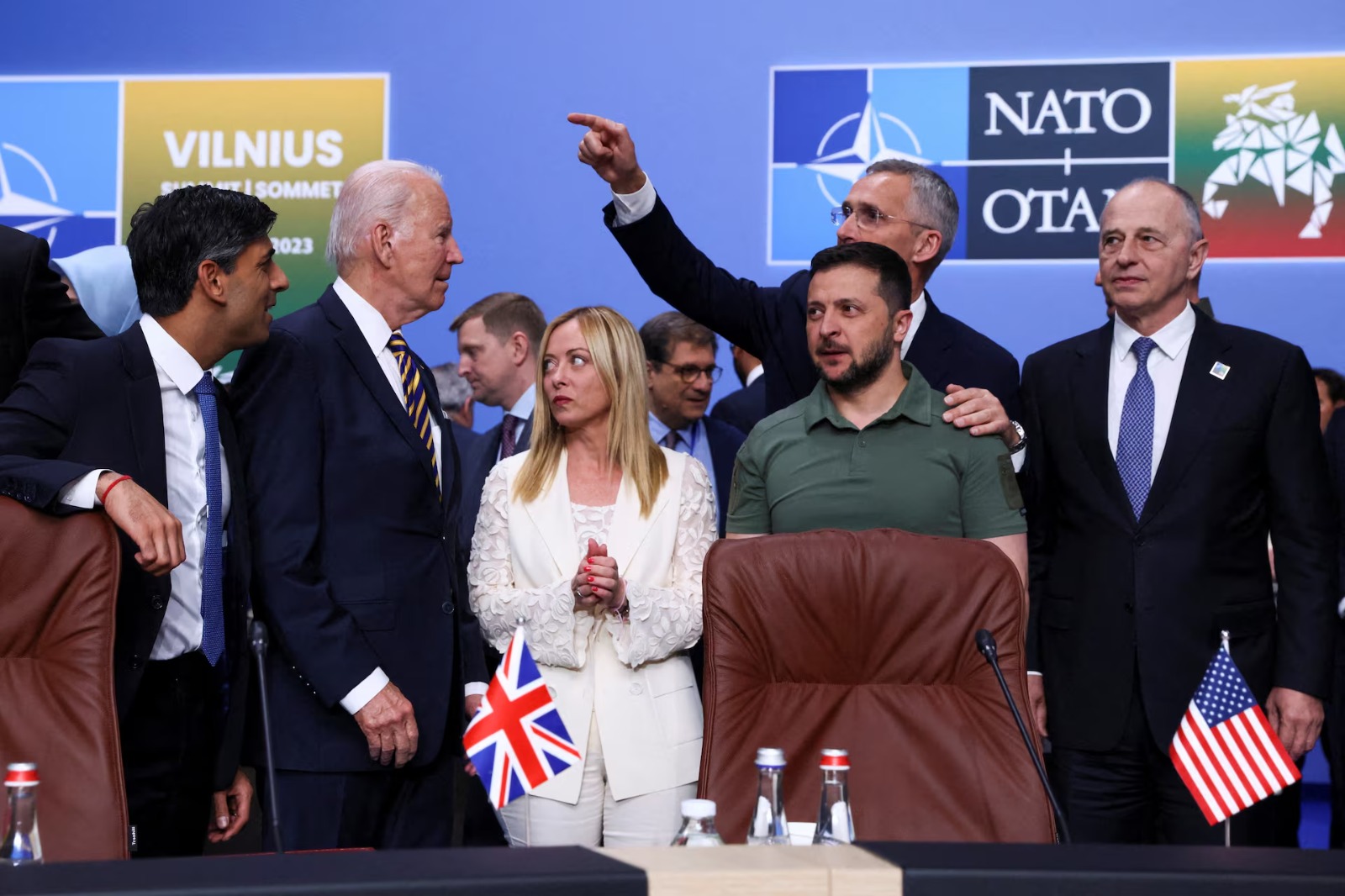
The summit held in Vilnius, the capital of Lithuania, in July 2023, was considered a continuation of the decisions made in Madrid. However, this time the main focus was on institutionalizing support for Ukraine and updating NATO's regional defense system.
The regional defense plans approved at the summit are considered the most extensive military planning documents in NATO's history. For the first time, the alliance developed separate defense scenarios for each region and updated the mechanisms for deploying military forces in accordance with these plans. Training exercises and the deployment of new forces in subsequent months began the practical implementation of these plans.
The main agenda of the Vilnius summit was Ukraine.
Leaders abolished the Membership Action Plan (MAP) stage to simplify Ukraine's NATO membership process. This decision meant that in the future, if a political decision were made, Ukraine's membership could be carried out under a faster procedure.
In addition, the NATO-Ukraine Council was established. The new format gave Kyiv a higher political status in relations with the alliance than before and formed an equal consultation mechanism between the parties. The Council is already being used to discuss a number of urgent security issues.
A multi-year assistance program to accelerate the transition of the Ukrainian army to NATO standards was also approved at the summit. This program covers the adaptation of weapon systems, military training, logistics, command and control, and defense planning. In the subsequent period, a significant part of the resources allocated by the alliance to Ukraine was directed within the framework of this program.
Another important decision made in Vilnius concerned defense spending. If in previous summits 2 percent of GDP was considered a target, this time it was officially declared that this indicator was the minimum level. In other words, NATO members were now advised to plan for higher defense spending, not lower than this figure. This approach also formed the basis of the new financial targets adopted at the Hague summit in 2025.
The Vilnius summit showed that NATO is no longer content with merely responding to threats posed by Russia. The alliance is also trying to rebuild its long-term security architecture. The institutionalization of support for Ukraine, the updating of regional defense plans, and the increase in defense spending are precisely the main elements of this strategy.
Thus, if the Madrid summit created a turning point in NATO's security policy, the Vilnius summit formed the concrete implementation mechanisms of that turning point. It is precisely the decisions made at these two summits that form the basis of the alliance's current operating model.
2024 Washington Summit: NATO elevated support for Ukraine to a new level
The NATO summit held in Washington, the capital of the USA, on July 9-11, 2024, coincided with the 75th anniversary of the alliance's establishment. However, more attention than the anniversary event was drawn to strengthening support for Ukraine with new institutional mechanisms.
If in previous summits the main focus was on political statements and aid packages, the decisions made in Washington increased NATO's direct coordination role in this process.
One of the most important decisions of the summit was the creation of NATO's new mission – the NATO Security Assistance and Training for Ukraine (NSATU) mechanism – for coordinating security assistance to Ukraine. With this, coordination in weapon supply, military training programs, and logistics largely shifted to the alliance.
This step showed that support for Ukraine moved from being an initiative of individual countries to becoming an integral part of NATO's institutional policy.
At the Washington summit, allies also reached an important agreement on long-term financial support for Ukraine. Member states committed to providing at least 40 billion euros in military aid to Kyiv over the next year. In subsequent months, the financing of air defense systems, ammunition, armored vehicles, and training programs continued within this framework.
The decisions made at the summit were not limited to Ukraine.
Leaders openly stated for the first time that China's support for Russia's defense industry affects Euro-Atlantic security. With this, NATO demonstrated a tougher political stance towards Beijing compared to previous years.
Another important decision concerned the expansion of air and missile defense capabilities in Europe. Allies announced that additional systems would be allocated to strengthen Ukraine's air defense. In parallel, cooperation was expanded on the European continent to protect critical energy and communication infrastructure, especially underwater cables and pipelines.
The Washington summit showed that NATO is no longer just an organization that reacts to crises. The alliance has entered a new stage in becoming an institutional security platform capable of coordinating the resources of its allies in a long-term war environment.
2025 Hague Summit: The most ambitious financial decision in NATO's history
The NATO summit held in The Hague, Netherlands, in June 2025, was remembered for one of the most important decisions of the last decade. Leaders reached a political agreement on a significant increase in defense spending.
According to the decision, allied states aim to increase their total defense and security spending to 5 percent of GDP by 2035. Of this, 3.5 percent will be directed directly to the development of military capabilities, and the remaining 1.5 percent to cybersecurity, protection of critical infrastructure, defense industry, and civil preparedness measures.
This decision is considered one of the most ambitious financial commitments ever made in NATO's history.
At the summit, increasing the production capacity of the defense industry was also identified as one of the main priorities. The ammunition shortage that arose in recent years against the backdrop of arms supplies to Ukraine showed NATO countries that existing production capabilities are not sufficient for long-term wars. Therefore, member states agreed to increase the production of weapons and ammunition, create new production lines, and expand investments in the defense industry.
The Hague summit also reaffirmed the expansion of cooperation with partners in the Indo-Pacific region. Deepening cooperation with Japan, South Korea, Australia, and New Zealand in the fields of technology, cybersecurity, and the defense industry was listed among NATO's future priorities.
Currently, the implementation of the decisions made at the Hague summit is ongoing. However, it is already clear that these decisions will determine the alliance's financial and defense policy in the next decade.
NATO's last decade: from decisions to strategy
Looking at the summits of the last decade, one of the main points that stands out is that a large part of the decisions made did not remain on paper. While some initiatives were implemented immediately, others required a change in geopolitical conditions to materialize.
The decision to strengthen the eastern flank adopted in Warsaw in 2016, the commitment to increase defense spending in 2017, the "NATO 2030" agenda approved in 2021, and the new Strategic Concept adopted in Madrid in 2022 constitute the main pillars of the alliance's activities today.
Another notable point is the change in NATO's understanding of threat. If ten years ago the main discussions revolved around Russia and the fight against terrorism, today the alliance's agenda includes new directions such as China, artificial intelligence, cybersecurity, space, protection of critical infrastructure, and sustainability of the defense industry.
Russia's war against Ukraine, in turn, became the main factor accelerating this transformation. It was this war that led to the rapid implementation of many decisions that NATO had discussed for years.
All this shows that the summits held in the last decade were not just meetings where political statements were adopted. These summits shaped NATO's new security architecture and fundamentally changed the alliance's operating model.
Now, the main task facing NATO is not so much to make new decisions as to ensure the full and timely implementation of the commitments made. Because the success of future summits will also depend on the extent to which the strategy laid down in the last decade will be implemented.